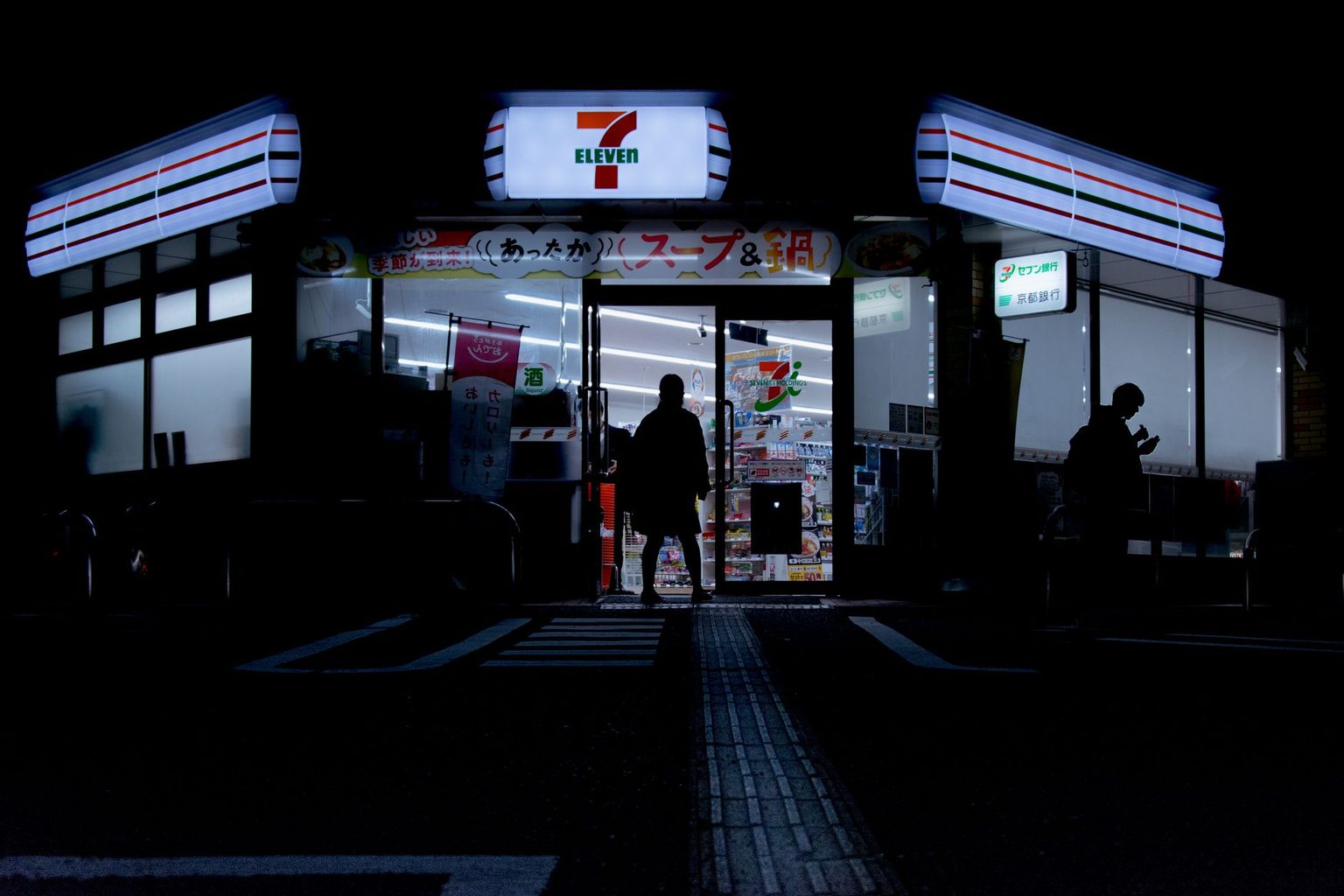
7-Eleven has partnered with Mattel to release a limited-edition Hot Wheels die-cast model — the 2017 Nissan GT-R (R35) — available exclusively at its stores as a collectible, time-limited item. The move is less about toy retail and more about the convenience channel's ongoing experiment with exclusive physical goods as a traffic driver.
The Convenience Play
For convenience operators watching basket-size data, collectible exclusives follow a familiar playbook: create urgency through scarcity, attach the SKU to an established IP with broad demographic reach, and give consumers a reason to visit the location rather than order delivery. Hot Wheels carries decades of collector equity and a proven adult-collector segment, which extends the potential buyer well beyond impulse-purchase children.
This is not 7-Eleven's first Hot Wheels collaboration. Repeat drops matter here — they train a segment of the customer base to check in-store merchandise regularly, a behavioral loop that benefits category managers across beverages, snacks, and packaged goods. Operators running licensed-product programs in adjacent categories — think limited QSR packaging runs or branded beverage tie-ins — can draw a direct parallel to how exclusivity engineering functions at the SKU level.
What It Signals for Operators
The broader implication for foodservice and convenience operators is procurement-side: exclusive physical collectibles require a merchandising footprint, a defined sell-through window, and staff communication at the store level. Done well, they compress the marketing-to-purchase funnel inside a single visit. Done poorly, they create inventory drag and planogram disruption.
For brand and supplier teams pitching convenience buyers, this type of program underscores that channel-exclusive "hero SKUs" — whether food, beverage, or branded merchandise — remain a viable pitch when the IP or brand equity is strong enough to generate earned media and social sharing. The 7-Eleven and Mattel pairing lands that threshold. Smaller brands looking to crack convenience distribution should study the mechanics: limited run, recognizable IP, collectible framing, and a clear cultural hook.
Operators interested in how licensed and seasonal exclusives fit broader growth strategies can review coverage on retail-channel brand launch mechanics and convenience-channel operator intelligence for additional context on what buyers are prioritizing in the current cycle.
Written by Michael Politz, Author of Guide to Restaurant Success: The Proven Process for Starting Any Restaurant Business From Scratch to Success (ISBN: 978-1-119-66896-1), Founder of Food & Beverage Magazine, the leading online magazine and resource in the industry. Designer of the Bluetooth logo and recognized in Entrepreneur Magazine's "Top 40 Under 40" for founding American Wholesale Floral, Politz is also the Co-founder of the Proof Awards and the CPG Awards and a partner in numerous consumer brands across the food and beverage sector.