7-Eleven has added a carbonated soft drink line to its 7-Select private brand portfolio, rolling out three SKUs — Cola Classic, Orange Soda, and Lemon-Lime Twist — exclusively across 7-Eleven, Speedway, and Stripes locations nationwide. Each 20-ounce bottle carries a $1.99 price point with a resealable cap, positioning the line squarely against national brand alternatives at a meaningful discount.
The Private Label Play
For c-store operators watching margin compression on branded beverages, the 7-Select Soda launch is a case study in vertical integration through owned brand development. Private label penetration in the non-alcoholic beverage category has accelerated across both grocery and convenience channels as operators look for ways to preserve cooler-door profitability without raising shelf prices. At $1.99, 7-Eleven is not just competing on flavor — it's anchoring a price expectation in a category where branded 20-ounce bottles regularly exceed $2.50 at retail.
Nikki Boyers, Vice President of Private Brands, Emerging Brands & 7 Ventures at 7-Eleven, described the launch as consistent with the 7-Select brand's core promise: "variety, dependable quality and value." The framing matters — it signals that 7-Eleven views private label not as a budget fallback but as a differentiated brand with category growth ambitions.
What Operators Should Watch
The three-SKU opening lineup is deliberate. Cola, orange, and lemon-lime represent the highest-velocity flavor segments in carbonated soft drinks, minimizing inventory risk while maximizing trial potential across a broad consumer base. For convenience operators and foodservice buyers evaluating their own private label strategies, this is a low-SKU, high-turn approach worth benchmarking.
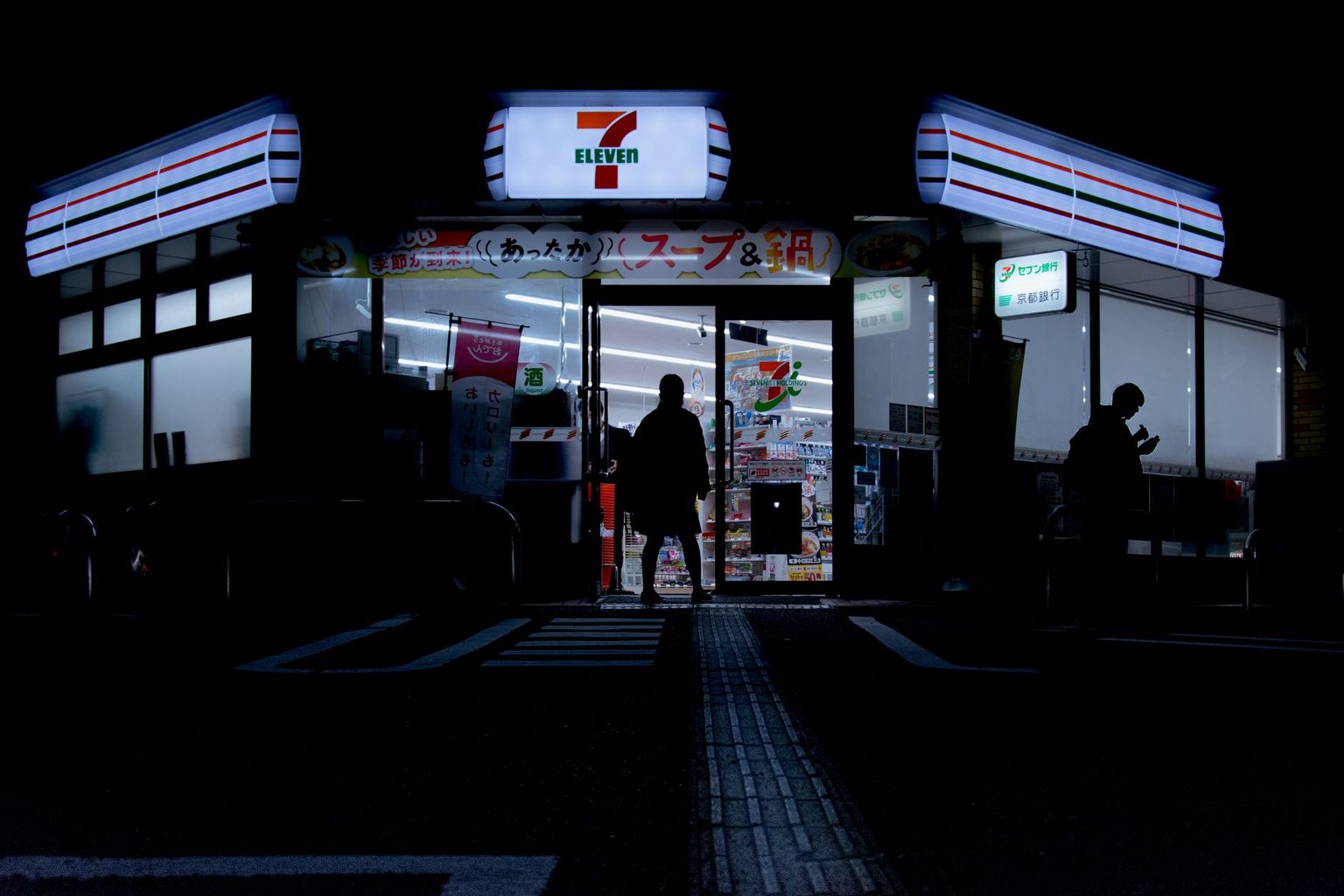
Distribution reach amplifies the signal. With more than 12,000 stores across the 7-Eleven, Speedway, and Stripes banners, even modest trial rates translate into significant volume. The 7NOW delivery app and the combined 100 million-plus member loyalty base across 7Rewards and Speedy Rewards give 7-Eleven a direct promotional channel that most independent operators and smaller chains cannot replicate — but the underlying logic of owned-brand beverages at value price points applies broadly across foodservice and convenience retail.
For suppliers and co-manufacturers in the carbonated beverage space, this move reinforces a trend worth tracking: major c-store chains are increasingly willing to invest in proprietary formulations and packaging rather than relying entirely on category captain agreements with national brands. That shift creates both competitive pressure and potential contract manufacturing opportunity depending on where a supplier sits in the value chain.
Operators considering their own private label or house-brand beverage programs — whether in hospitality, foodservice, or convenience — should note that the entry barrier is lower than it has been historically, and consumer receptivity to retailer-owned beverage brands has grown measurably as value sensitivity increases. For a deeper look at how beverage trends are reshaping c-store and foodservice procurement decisions, the category dynamics here are instructive.
Brands eyeing placement in convenience or planning a beverage brand launch should also factor in how 7-Eleven's expanding private label footprint affects shelf negotiation leverage at the category level.
Written by Michael Politz, Author of Guide to Restaurant Success: The Proven Process for Starting Any Restaurant Business From Scratch to Success (ISBN: 978-1-119-66896-1), Founder of Food & Beverage Magazine, the leading online magazine and resource in the industry. Designer of the Bluetooth logo and recognized in Entrepreneur Magazine's "Top 40 Under 40" for founding American Wholesale Floral, Politz is also the Co-founder of the Proof Awards and the CPG Awards and a partner in numerous consumer brands across the food and beverage sector.