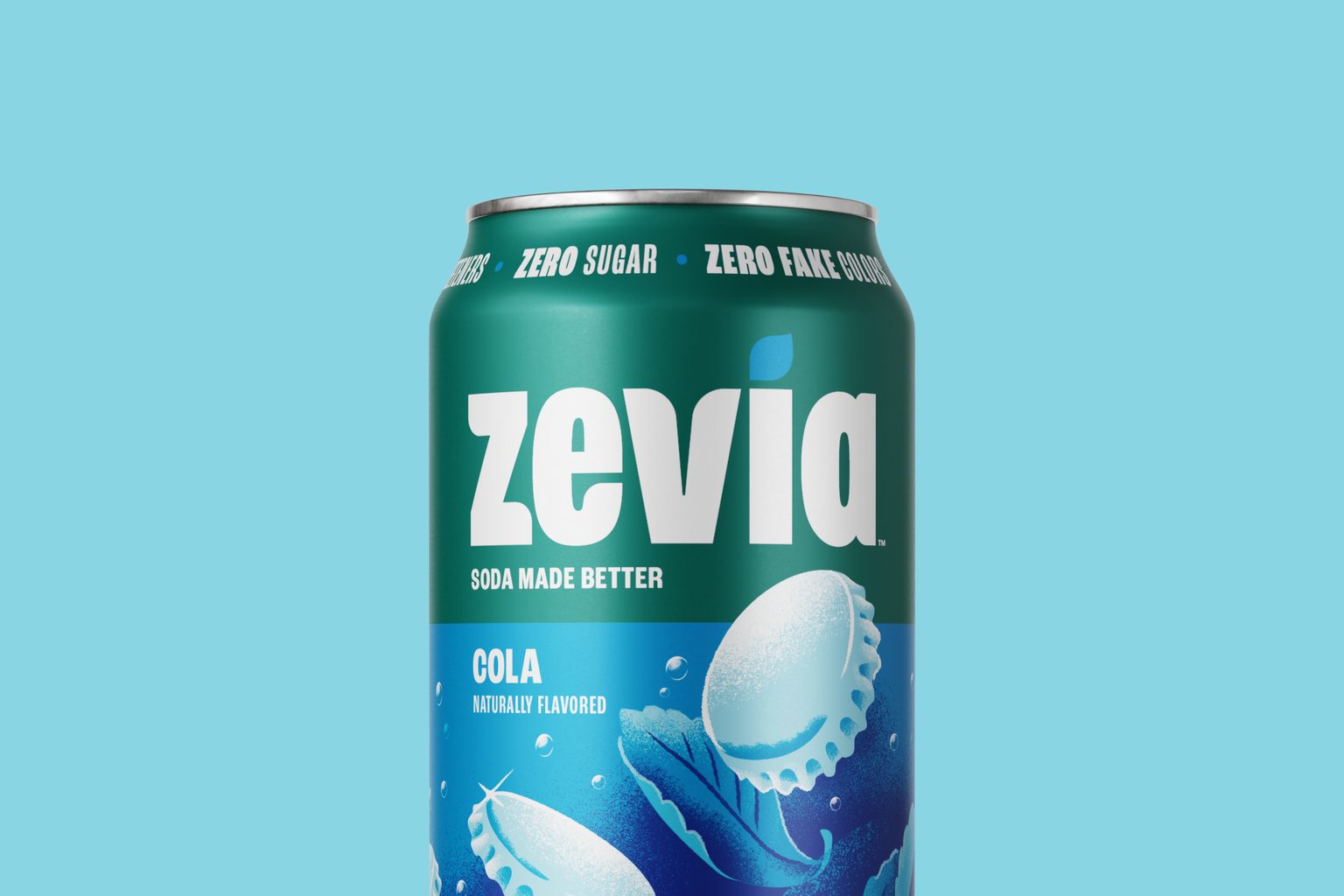
Zevia PBC (NYSE: ZVIA) launched a national campaign this week starring Cardi B as the "Real Talk Interpreter" — its largest marketing effort to date and a signal that the zero-sugar soda brand is moving aggressively to capture mainstream shelf awareness beyond its natural-channel core.
The campaign runs across national streaming TV, digital video, TikTok, Instagram, and select retail displays, with two hero spots placing Cardi in everyday social settings — a potluck and a parent-teacher conference — where she "interprets" polite small talk into what people actually mean. Featured SKUs are Zevia Orange Creamsicle and Creamy Root Beer, two flavors that skew approachable for consumers new to the brand.
The Channel Stack
What makes this campaign operationally relevant for beverage operators and brand builders is the layered activation model. Streaming TV anchors awareness; social UGC (fans submit filtered moments for Cardi to decode) drives engagement and extends organic reach; in-store QR codes at participating retailers tie the digital campaign directly to the point of purchase. A sweepstakes at zevia.com/real provides a data-capture mechanism across all touchpoints. For brands navigating the crowded better-for-you segment, this kind of integrated, full-funnel architecture — rather than a single hero spot — is increasingly the table stakes to move product at 39,000-plus retail doors.
Zevia's CMO Kirsten Suarez framed the partnership around audience expansion: "Her authenticity, humor and confidence help us introduce Zevia to new audiences and show that great-tasting, zero sugar soda made with real ingredients can still have plenty of personality and flavor." The brand has historically indexed heavily with health-conscious and natural-grocery shoppers; Cardi B's audience skews broader and younger, particularly on TikTok, where the artist has a documented record of driving purchase behavior.
What It Signals for the Category
The zero-sugar soda segment has been outpacing the broader carbonated soft drink category — Zevia's own release notes the trend — and that tailwind is attracting both challenger brands and legacy players. For operators stocking beverages, the competitive dynamic is shifting: consumers increasingly expect zero-sugar options that don't rely on artificial sweeteners, a positioning Zevia has held since launch. The question for buyers is whether celebrity-anchored national campaigns like this one translate to sustained velocity or short-term trial spikes.
For brand builders and growth agencies working with emerging beverage labels, the Zevia playbook here is worth reverse-engineering: pair a culturally credible spokesperson with a UGC mechanic that generates owned content, anchor it with retail activation that connects digital spend to in-store conversion, and use a sweepstakes to build the first-party data list. It's a model that brand launch teams can adapt for regional rollouts with smaller budgets by compressing the channel mix rather than eliminating layers.
Distribution through grocery, drug, warehouse club, mass, and e-commerce channels means Zevia's retail footprint is broad enough to support a national push — a prerequisite most emerging brands haven't yet achieved. Operators and buyers evaluating better-for-you beverage trends for menu or retail sets should watch whether this campaign lifts velocity data in mass and convenience, the two channels where zero-sugar positioning has the most headroom.
Written by Michael Politz, Author of Guide to Restaurant Success: The Proven Process for Starting Any Restaurant Business From Scratch to Success (ISBN: 978-1-119-66896-1), Founder of Food & Beverage Magazine, the leading online magazine and resource in the industry. Designer of the Bluetooth logo and recognized in Entrepreneur Magazine's "Top 40 Under 40" for founding American Wholesale Floral, Politz is also the Co-founder of the Proof Awards and the CPG Awards and a partner in numerous consumer brands across the food and beverage sector.