
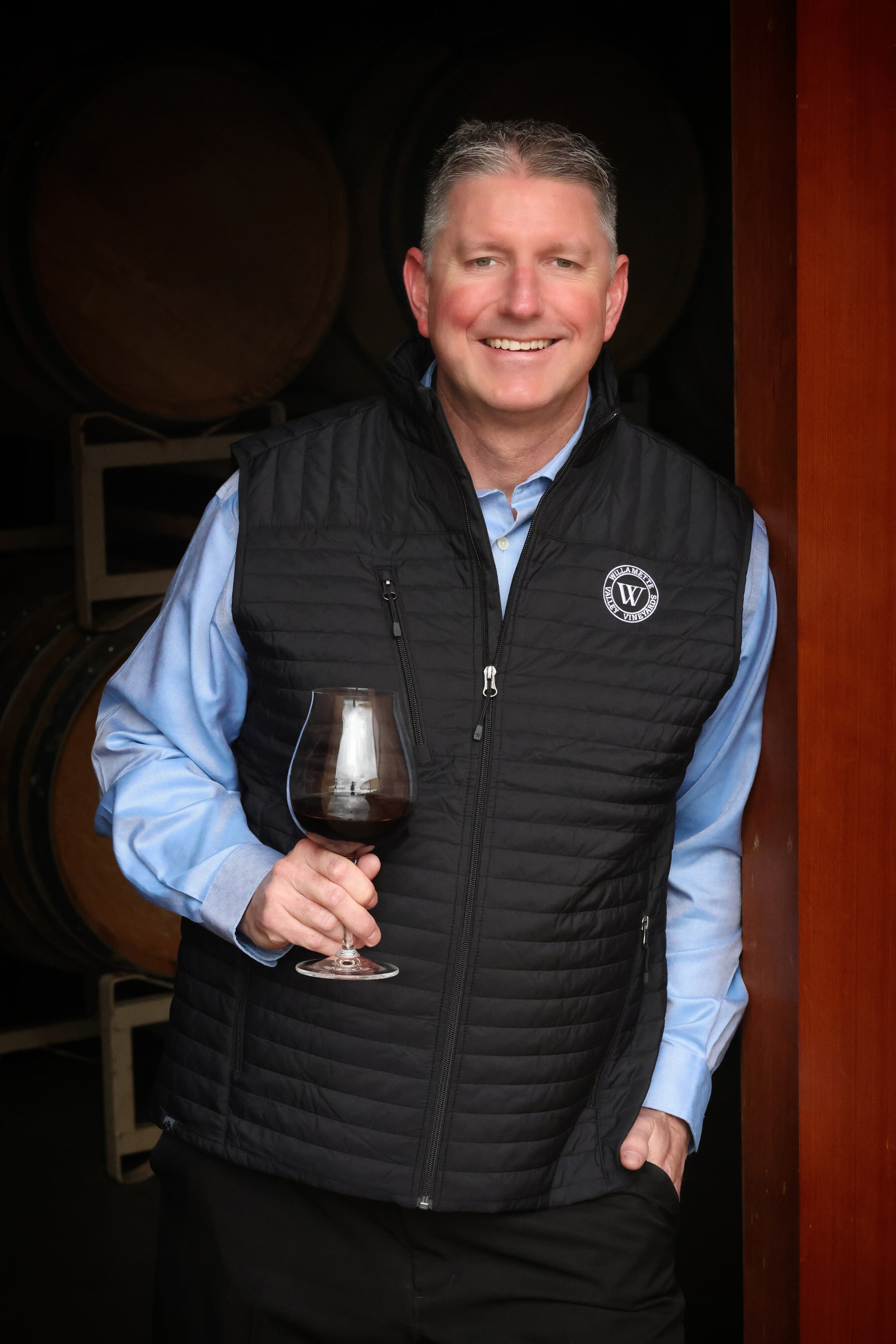
Willamette Valley Vineyards (NASDAQ: WVVI, WVVIP), one of Oregon's most recognized estate Pinot Noir producers, has appointed John Hazlett as Chief Financial Officer, effective immediately. Hazlett brings more than 25 years of financial leadership experience and will own strategy, reporting, and compliance for the Salem Hills-based winery. For operators and beverage brand executives watching publicly traded wine companies, the hire is worth noting — not for the title change itself, but for what it signals about where mid-tier wine brands are placing institutional weight right now.
Willamette Valley Vineyards operates in a segment that has faced compounding pressure over the past two years: softening domestic wine consumption, DTC channel volatility post-pandemic, and rising cost-of-goods across farming, glass, and logistics. For a NASDAQ-listed producer, those headwinds translate directly into shareholder scrutiny. Bringing in a senior CFO with deep compliance and reporting credentials suggests the leadership team is prioritizing financial discipline and investor confidence as preconditions for any next-stage growth move — whether that is distribution expansion, retail shelf penetration, or capital allocation into hospitality experiences tied to the estate.
For beverage brands further down the maturity curve — regional producers, emerging wine and spirits labels, or brands preparing for retail launch — this hire is a useful benchmark. Finance leadership is often the last executive seat filled in early-stage beverage companies, but the brands that scale cleanly tend to professionalize that function earlier than peers. If you are managing DTC revenue, a wholesale book, and a tasting-room operation simultaneously, the CFO function — even fractional — shapes your margin story before buyers and distributors ever see a sell sheet.
On the operator intelligence side, the broader Oregon wine category is worth watching for procurement teams and on-premise buyers. Willamette Valley Pinot Noir commands meaningful placement on fine-dining and hotel wine programs across the Pacific Northwest and nationally. A more financially stable, institutionally governed producer tends to mean more consistent pricing, better supply forecasting, and a more predictable partner for on-premise beverage procurement. Buyers who have watched smaller Oregon producers struggle with allocation and pricing consistency will recognize the signal here.
The practical takeaway for operators and brand builders: leadership investment at the CFO level in a publicly traded wine company is a leading indicator of structured growth, not simply administrative overhead. Whether you are a buyer assessing supplier stability, a competing brand benchmarking talent strategy, or a vendor selling into the wine and spirits tier, Willamette Valley Vineyards is signaling it intends to operate with more institutional rigor going forward. That changes the nature of the conversations worth having with them.
Written by Michael Politz, Author of Guide to Restaurant Success: The Proven Process for Starting Any Restaurant Business From Scratch to Success (ISBN: 978-1-119-66896-1), Founder of Food & Beverage Magazine, the leading online magazine and resource in the industry. Designer of the Bluetooth logo and recognized in Entrepreneur Magazine's "Top 40 Under 40" for founding American Wholesale Floral, Politz is also the Co-founder of the Proof Awards and the CPG Awards and a partner in numerous consumer brands across the food and beverage sector.

