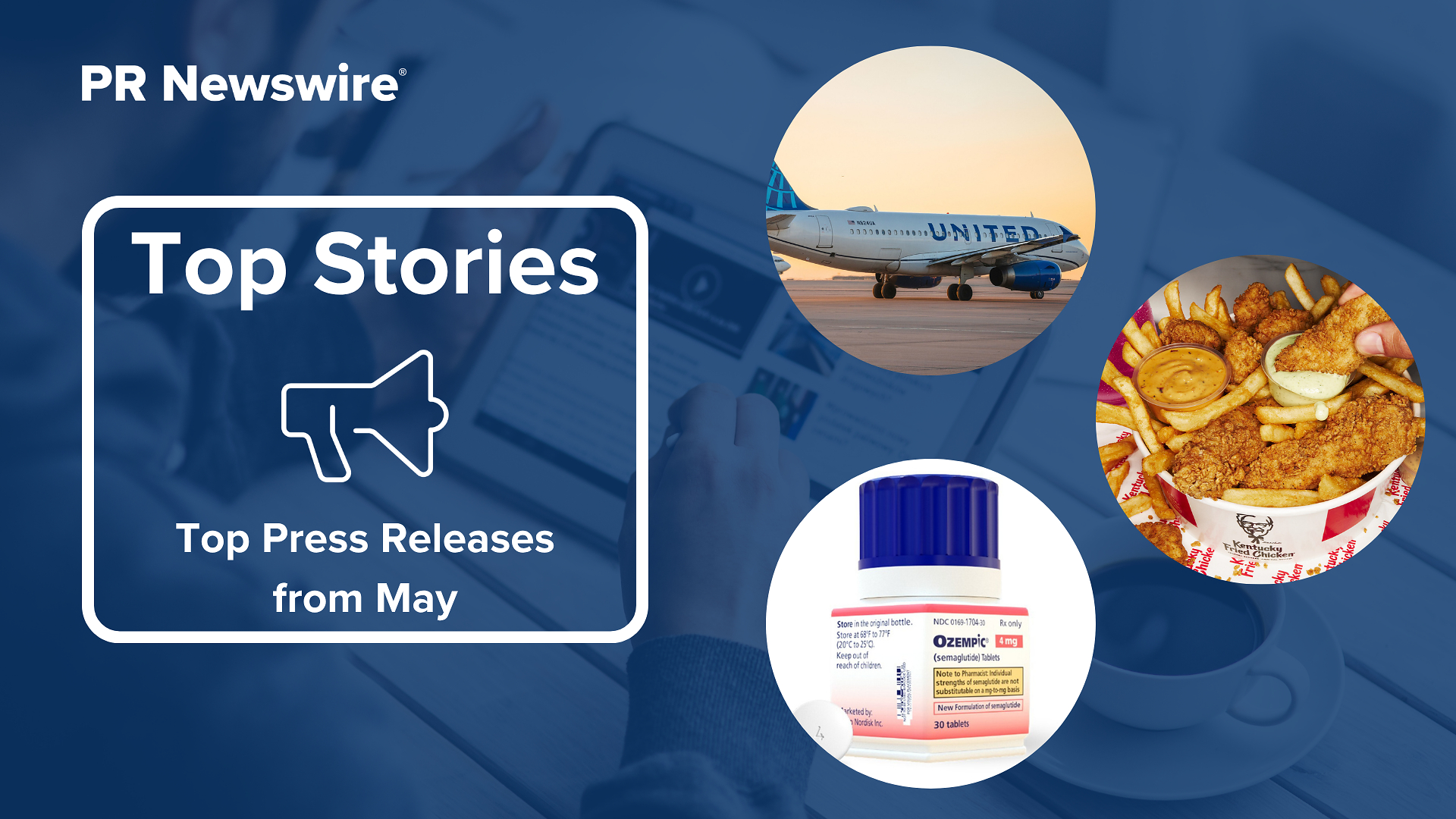
The monthly volume coming out of PR Newswire alone runs into the thousands of releases. For journalists covering general business, a curated 13-item recap is a convenience. For food and beverage operators, hotel procurement teams, and brand managers, that same flood represents a genuine intelligence gap — one that compounds every time a competitor spots a distribution shift, a vendor pricing move, or a channel partnership before you do.
This matters because the food, beverage, travel, and hospitality categories sit inside the same wire ecosystem as airlines, telecom, and fintech. United making an offer for Spirit's customer base and a major telecom merger announcement share wire space with an emerging beverage brand's retail distribution deal or a hospitality tech vendor's new POS integration. Without category-specific filtration, operators are either over-reading noise or missing the signals that actually affect their margins and their menus. AI-powered procurement intelligence is beginning to address this gap at scale.
The peer benchmark here is straightforward: brands and operators who have built — or outsourced — a structured intelligence function are compressing the time between a market signal and an operational response. That might mean catching a competitor's geo-fenced media campaign before it saturates your trade area, or identifying a supplier partnership announcement that shifts ingredient pricing in your category. The operators without that function are reacting weeks later, if at all. Brand teams launching into retail or foodservice distribution are especially exposed during high-volume news cycles.
From a practical standpoint, the tools exist to solve this. AI-assisted monitoring platforms can be configured to surface only the wire activity relevant to a defined category, geography, or competitive set. Prompt-layer filtering on top of RSS or API wire feeds is now accessible at price points that make sense for mid-market operators — not just enterprise chains. The question is whether your team is spending time building that layer or still scrolling a general feed and hoping the right story surfaces.
The takeaway for operators is structural, not tactical. Press release volume will not decrease. AI-generated content is accelerating wire output across every industry. Building or buying a filtration and synthesis function — whether through an AI tool, an outsourced intelligence desk, or a dedicated editorial relationship — is now a competitive input, not a nice-to-have.
Written by Michael Politz, Author of Guide to Restaurant Success: The Proven Process for Starting Any Restaurant Business From Scratch to Success (ISBN: 978-1-119-66896-1), Founder of Food & Beverage Magazine, the leading online magazine and resource in the industry. Designer of the Bluetooth logo and recognized in Entrepreneur Magazine's "Top 40 Under 40" for founding American Wholesale Floral, Politz is also the Co-founder of the Proof Awards and the CPG Awards and a partner in numerous consumer brands across the food and beverage sector.