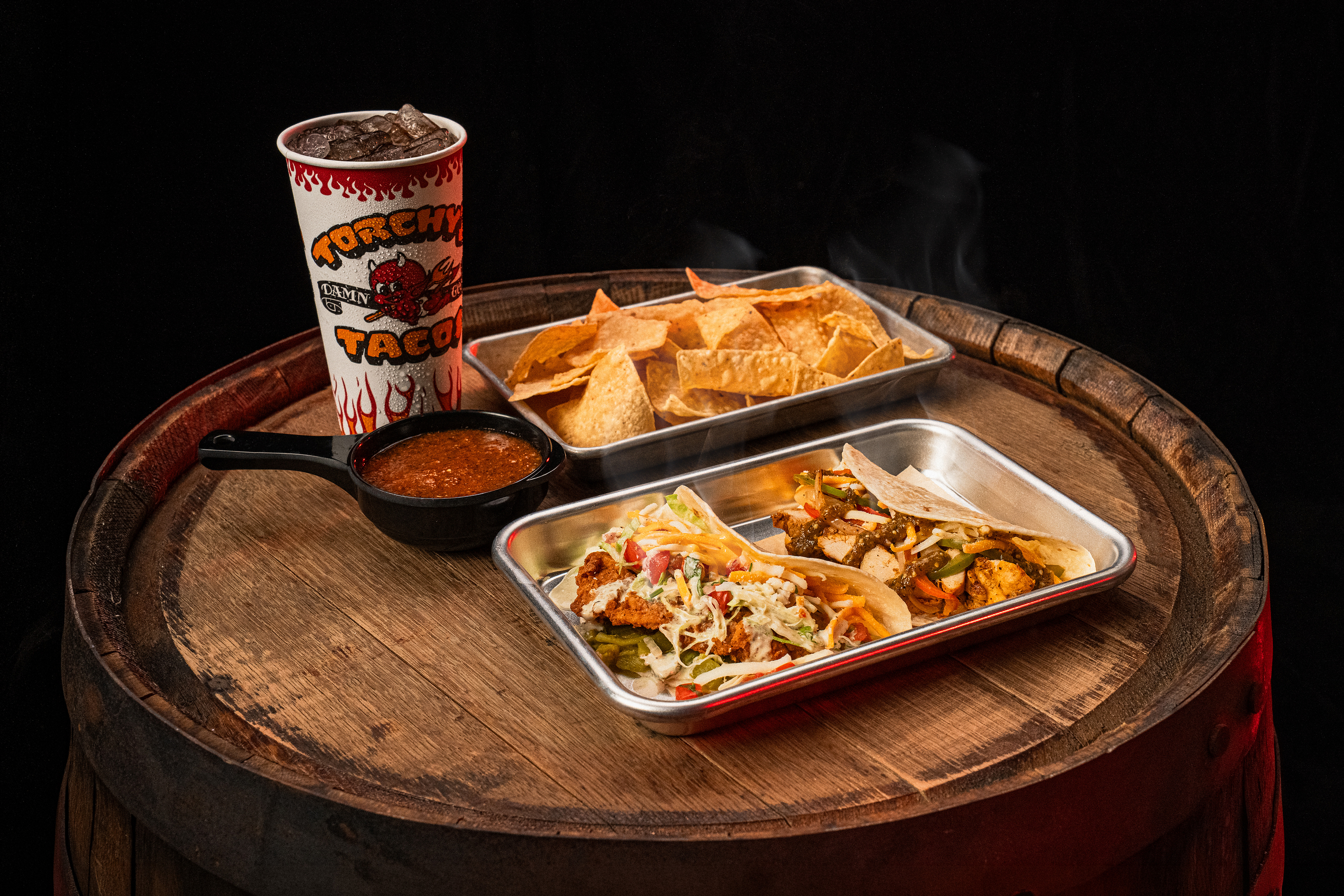
Whataburger has named Ryan Moore as its next Chief Financial Officer, effective July 31. Moore arrives with 16 years of restaurant finance experience — six as CFO of Torchy's Tacos and ten at Taco Bell, where he held the Vice President of Finance role. The appointment is a clear signal that Whataburger's ownership is prioritizing disciplined capital deployment as the chain pursues a national footprint.
Moore succeeds Janelle Sykes, who retires in September after more than six years with the brand. During Sykes's tenure, Whataburger grew from 860 units across 11 states to nearly 1,200 across 17 states — the most aggressive expansion in the brand's 76-year history. Sykes will remain through September to support the leadership handoff.
What the Hire Signals
The profile of Moore's prior roles tells operators and vendors something specific about Whataburger's near-term priorities. Torchy's Tacos was a high-growth regional chain navigating private-equity-backed national ambitions; Taco Bell is the benchmark for QSR unit economics at scale. Bringing in a CFO who has lived both sides of that transition suggests Whataburger's backers — BDT & MSD Partners acquired a majority stake in 2019 — are preparing the financial infrastructure for a faster or broader unit-count push than the current pace implies.
Moore framed the mandate plainly: find the right way to share Whataburger with people who have not yet experienced it, while protecting the qualities that define the brand. For suppliers, distributors, and real estate operators in markets where Whataburger does not yet have a presence, that statement is worth taking seriously as a procurement and partnership signal.
What Operators Should Watch
For multi-unit franchisees and regional QSR competitors, Whataburger's finance leadership transition is a useful benchmark. Brands that are scaling from regional icon to national player consistently face the same inflection: investment in unit-level economics, supply chain redundancy, and labor cost modeling must outpace top-line growth or margin erosion accelerates. Moore's background suggests Whataburger is building that infrastructure intentionally rather than reactively.
On the vendor and agency side, a new CFO at a nearly 1,200-unit chain typically triggers a review cycle for everything from financial technology to procurement contracts. Operators and suppliers tracking QSR growth strategy should note that Whataburger's expansion into new states also creates compounding demand for local media buys, distribution partnerships, and market-entry intelligence — the kind of work covered in depth across brand launch and growth channels for scaling restaurant concepts.
The broader category context matters here. Regional burger chains competing for the same daypart — lunch and late-night — are under sustained pressure from both fast-casual entrants and value-positioning pivots at national QSR players. Whataburger's decision to install a CFO with explicit multi-market growth credentials, rather than a cost-optimization specialist, suggests the brand is betting on offense.
Written by Michael Politz, Author of Guide to Restaurant Success: The Proven Process for Starting Any Restaurant Business From Scratch to Success (ISBN: 978-1-119-66896-1), Founder of Food & Beverage Magazine, the leading online magazine and resource in the industry. Designer of the Bluetooth logo and recognized in Entrepreneur Magazine's "Top 40 Under 40" for founding American Wholesale Floral, Politz is also the Co-founder of the Proof Awards and the CPG Awards and a partner in numerous consumer brands across the food and beverage sector.