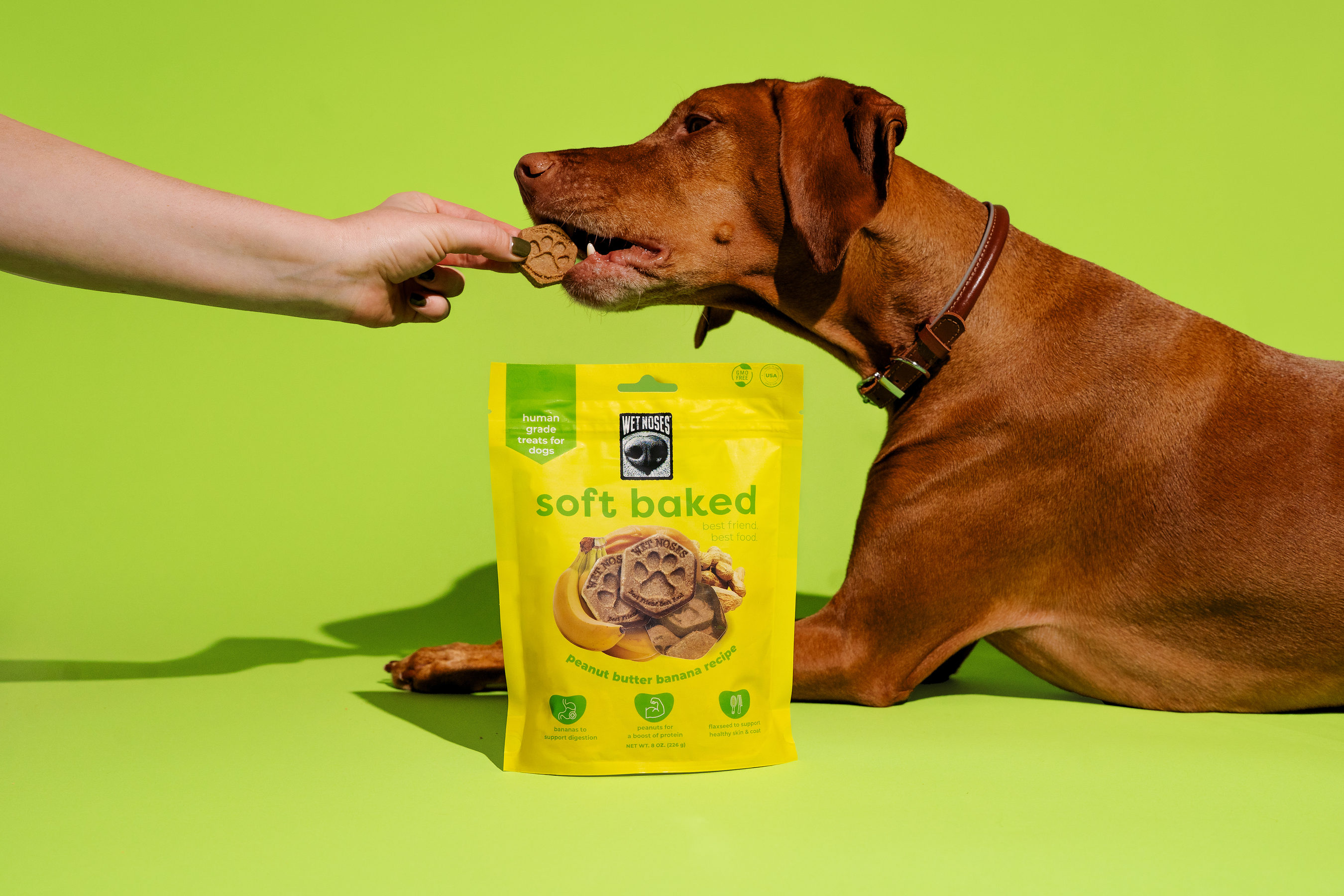
Human-grade standards are crossing into private label territory. Wet Noses Natural Dog Treat Company, the Monroe, Washington-based manufacturer, is using PLMA 2026 (November 15–17, Chicago) to formally pitch its co-manufacturing and private label capabilities to retail buyers — a strategic move that signals how human-grade pet nutrition is maturing from niche branded product into a shelf-program infrastructure play.
For food and beverage operators and retail buyers tracking adjacent categories, this is a useful benchmark: the same premium-ingredient logic driving demand in human functional food is now embedded in pet food procurement conversations. Retailers that have built margin in better-for-you snack sets are being approached with the same story in the pet aisle.
The Manufacturing Case
Wet Noses operates its own facility in Monroe, Washington — WSDA licensed, SQF certified, HACCP compliant, and FDA registered. That stack of certifications matters to retail sourcing teams evaluating supplier risk, particularly as human-grade claims face increasing scrutiny from buyers who have learned that "ingredient quality" and "manufacturing quality" are two separate conversations. Wet Noses positions both under one roof, which is a meaningful differentiator for brands that need a co-man partner they can put in front of a compliance team.
The company's current private label offer spans three categories: soft-baked and crunchy dog treats, oven-baked complete and balanced dog food, and Purrks — a 2026 cat treat line available in Chicken Crunchies, Beef Crunchies, and Catnip Crunchies. Adding cat treats to the portfolio is a deliberate volume move; cat treat penetration has lagged dog treat penetration in premium channels, leaving white space for a manufacturer with existing baking infrastructure to enter at scale.
What This Signals for Buyers
For retail buyers and brand managers sourcing in the better-for-pet category, the PLMA pitch from Wet Noses reflects a structural shift: U.S.-based human-grade manufacturing capacity is being organized around private label economics, not just branded differentiation. That changes the procurement conversation. A retailer can now potentially source a human-grade dog treat program with the same SQF-backed assurance they'd apply to a human food co-man partner — without building that program from a branded product's margin structure.
This also mirrors what operators in the foodservice and specialty grocery channel have seen in adjacent categories: when a manufacturer with 28 years of category-specific baking expertise pivots to actively court private label volume, it typically indicates that branded growth has plateaued or that contract margins have become more attractive relative to the cost of brand-building. Either way, retail sourcing teams should treat it as a signal of available capacity and a willingness to negotiate program terms.
For pet brands evaluating co-manufacturing partners, the geographic angle matters: a Washington-based facility serving west-coast distribution networks carries different landed-cost implications than Midwest or Southeast co-mans. Buyers building assortments for regional grocery chains in the Pacific Northwest or natural channel retailers should factor logistics into any capability conversation at Booth #1369.
Operators and brand managers tracking the intersection of premium ingredient standards and private label manufacturing will find parallels to what has already played out in human functional food and better-for-you snack procurement — a category that saw co-man capacity consolidate quickly once retail demand validated the premium price point. Pet is running a similar playbook, roughly five years behind. Retailers that built private label programs early in human better-for-you captured meaningful margin; the same window may be opening in pet. For broader context on how private label programs are reshaping specialty retail assortments, see our coverage of brand launch and retail readiness strategy.
Written by Michael Politz, Author of Guide to Restaurant Success: The Proven Process for Starting Any Restaurant Business From Scratch to Success (ISBN: 978-1-119-66896-1), Founder of Food & Beverage Magazine, the leading online magazine and resource in the industry. Designer of the Bluetooth logo and recognized in Entrepreneur Magazine's "Top 40 Under 40" for founding American Wholesale Floral, Politz is also the Co-founder of the Proof Awards and the CPG Awards and a partner in numerous consumer brands across the food and beverage sector.