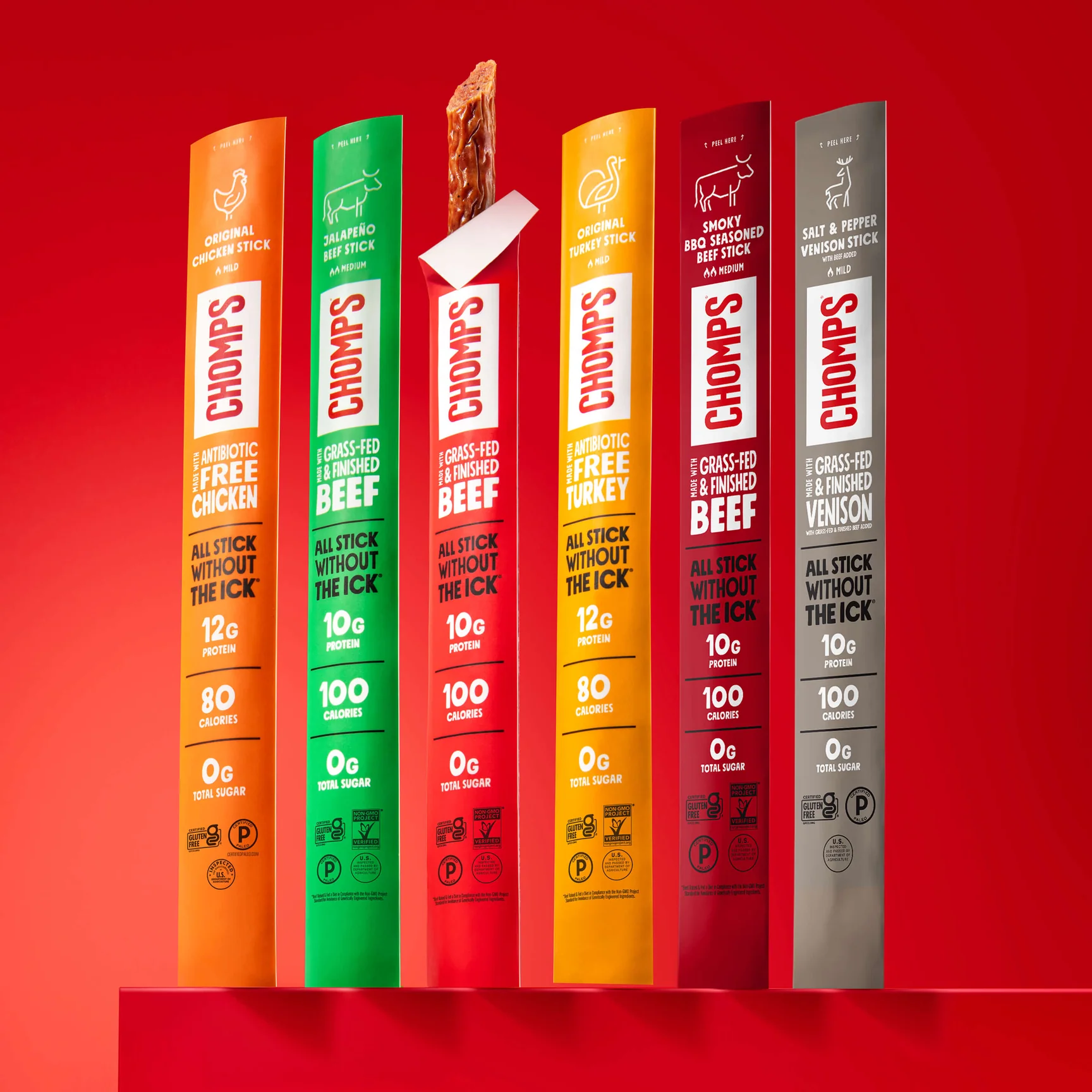
Protein procurement is about to get more complicated. USDA projections embedded in Tyson Foods' fiscal 2027 outlook point to domestic beef production falling approximately 2.0%, pork holding flat, and chicken rising approximately 1.0% — a supply split that carries direct implications for restaurant and foodservice operators building menus and locking purchasing agreements for the year ahead.
The Numbers
Tyson's Q4 fiscal 2026 results illustrate how the shift is already playing out at the supply level. Beef segment volume fell 6.0% in the quarter while Chicken segment volume rose 9.9%. For fiscal 2027, the company projects a sales decline of 3.5% to 5.5%, attributing the drop primarily to lower beef volumes tied to network restructuring and constrained cattle supplies. Total adjusted operating income guidance of $1.7 billion to $2.15 billion leans heavily on poultry, with the Chicken segment projected to contribute $1.3 billion to $1.6 billion of that figure. Meanwhile, JBS N.V. reported Q3 2026 net sales of $22.7 billion — up 1.0% year over year — but IFRS adjusted EBITDA fell 36.0% to $1.18 billion, with leverage rising to 3.54x. Its North American beef operations did return to positive adjusted EBITDA, a signal that the worst of the margin compression in that segment may be stabilizing, even if volume remains under pressure.
Procurement Implications
For foodservice and restaurant operators, this environment demands a sharper protein procurement posture. Tight cattle supplies are structural, not cyclical — the U.S. beef cow herd has been contracting for several years, and rebuilding that herd takes time measured in seasons, not quarters. Operators still pricing beef at 2024 cost assumptions are exposed. Chicken, by contrast, is expanding: Pilgrim's Pride reported Q3 2026 net sales of $4.7 billion and a 4.1% consolidated GAAP operating income margin, though net income compressed year over year as input costs remained elevated. Hormel Foods' pending acquisition of Brakebush — a value-added chicken producer — for approximately $1.055 billion signals that strategic buyers see a durable margin window in further-processed poultry. That deal, expected to close in Hormel's fiscal Q1 2027, will add scale to its chicken portfolio at a moment when demand tailwinds favor the category. Operators sourcing value-added chicken products through Hormel's distribution network should monitor whether Brakebush capacity gets redirected post-close. For operators navigating these shifts, understanding menu pricing strategy in a protein cost environment and poultry supply chain trends will be essential to building a defensible cost structure through 2027.
What Operators Should Do Now
The collective earnings picture from these four producers tells a consistent story: beef will be scarcer and more expensive, chicken will be more available but not necessarily cheap, and the processors with the most pricing power are those with diversified, further-processed portfolios. Operators running beef-heavy menus — particularly casual dining and fast casual — face the steepest exposure. Those with flexibility to shift protein mix toward poultry, pork, or plant-based alternatives have a structural cost advantage heading into the next two to three quarters. Contract timing matters: locking chicken pricing now, before Q1 2027 demand from competitors compresses available supply, is a defensible move.
Written by Michael Politz, Author of Guide to Restaurant Success: The Proven Process for Starting Any Restaurant Business From Scratch to Success (ISBN: 978-1-119-66896-1), Founder of Food & Beverage Magazine, the leading online magazine and resource in the industry. Designer of the Bluetooth logo and recognized in Entrepreneur Magazine's "Top 40 Under 40" for founding American Wholesale Floral, Politz is also the Co-founder of the Proof Awards and the CPG Awards and a partner in numerous consumer brands across the food and beverage sector.