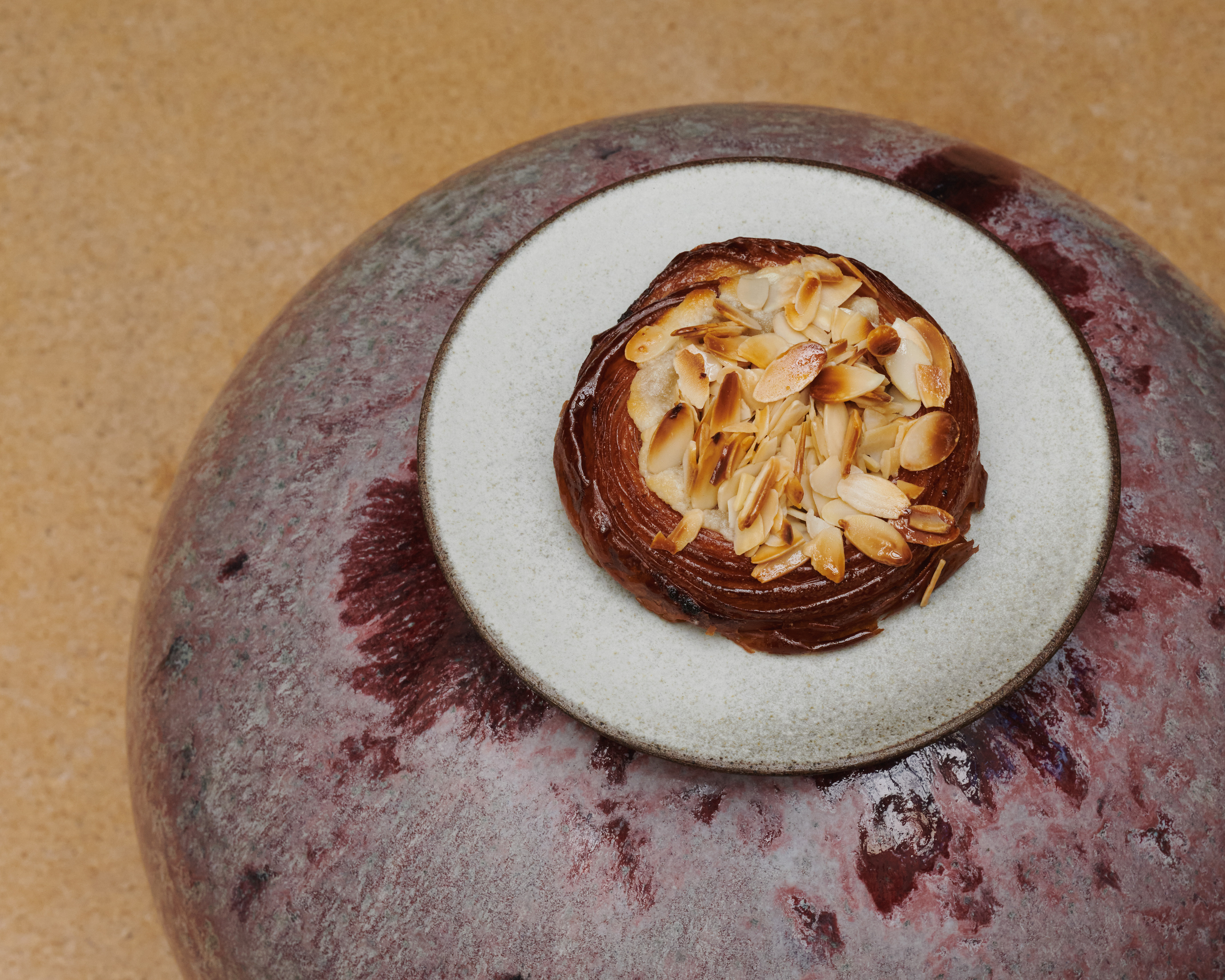
Food guide TIPSTER is running its NYC Bakery Run back through New York on October 25, this year routing 100 lottery-selected participants through ten bakeries across 13.1 miles — and into the dining room of three-Michelin-star Eleven Madison Park for a seated pastry course before regular lunch service begins. The event is free to enter, limited by design, and already proven to generate outsized demand: the 2025 debut drew more than 17,000 lottery entries for 100 spots.
What the Format Signals
The structure of the NYC Bakery Run is worth dissecting for any operator thinking about earned attention and community activation. TIPSTER doesn't charge entry fees or sell sponsorships in the conventional sense. Instead, it engineers scarcity — pairs of spots, three pace groups, a hard lottery deadline of October 14 — and lets the demand ratio do the storytelling. A 170-to-1 entry ratio is a brand metric most paid campaigns cannot manufacture. For participating bakeries, the event functions as a curated distribution channel: their product reaches 100 highly self-selected food enthusiasts in a context of genuine anticipation, not passive scrolling.
The 2026 lineup adds Altbau Bakery, the debut project from Tartine cofounder Chad Robertson, alongside returning stops at Radio Bakery, La Cabra, Librae Bakery, From Lucie, L'Appartement 4F, Hani's Bakery, Elbow Bread, and Saison Bakery. Robertson's participation is itself a signal: established culinary names are increasingly willing to lend credibility to independent media-and-experience formats outside the traditional press and reservations pipeline.
The Operator Intelligence Layer
Dominique Roy, Chef de Cuisine at Eleven Madison Park, framed the collaboration around extending the pastry team's reach beyond the tasting-menu format — a practical articulation of what experience-based brand marketing can accomplish that a social post cannot. Dona Murad-Gerschel, owner of Librae Bakery, put it more directly: the run puts ten distinct baking philosophies on one route and lets participants encounter the city through what's coming out of its ovens.
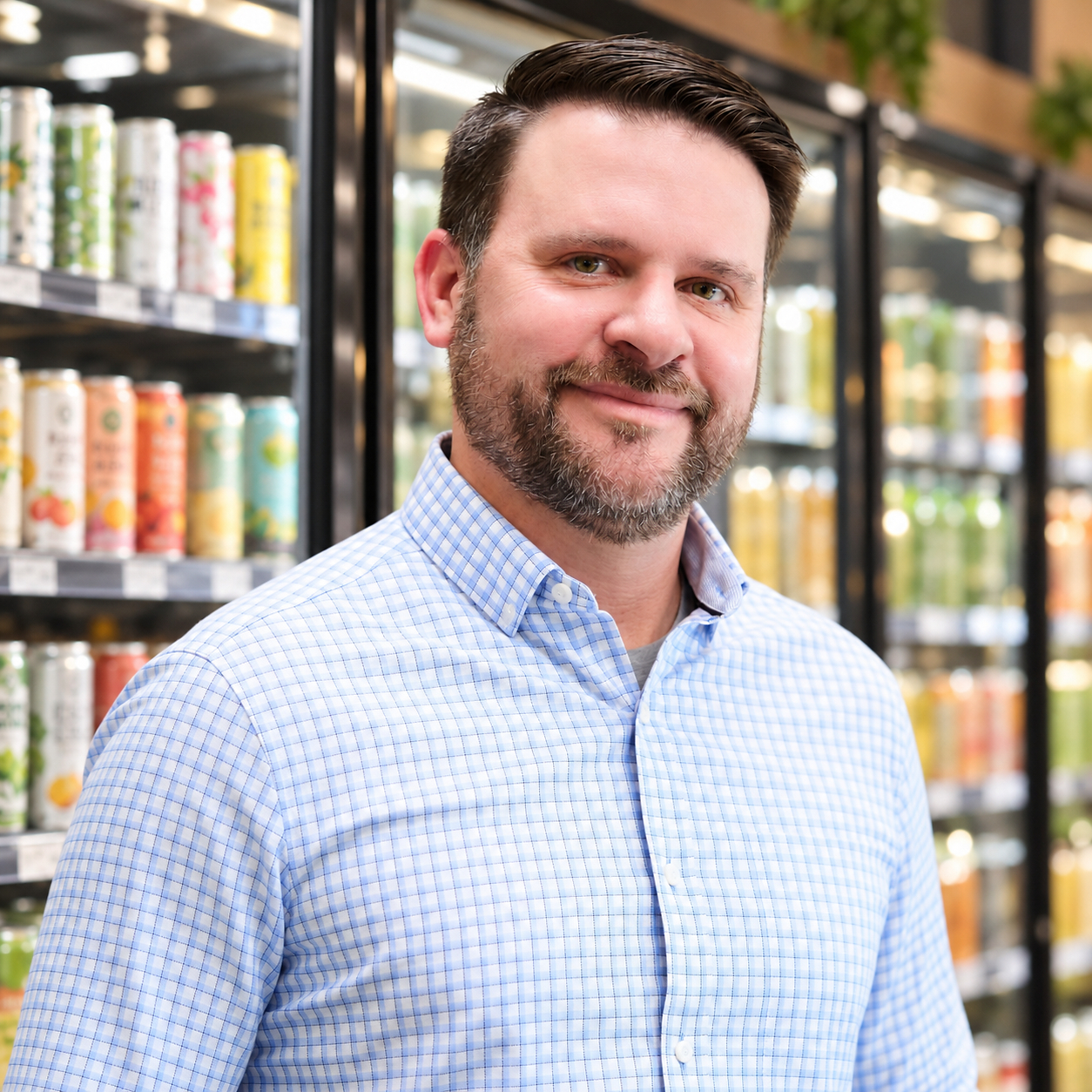
For operators and brand marketers watching from the outside, TIPSTER founder Simon Evers's framing is the most strategically useful. "Cultural relevance no longer only comes from securing a table at a fine-dining restaurant," he noted, pointing to the same enthusiasm consumers now bring to a singular slice of pizza, a loaf, or a pastry. That consumer shift — from destination dining to quality-seeking across formats and price points — is directly relevant to how food brands are building media and community strategies heading into 2027.
What TIPSTER is modeling here is closer to an outsourced brand-launch and audience-building function than a traditional event. Copenhagen-born and now operating in Amsterdam, Los Angeles, and New York, the platform uses high-restriction activations to concentrate attention and then redirect it toward the participating venues at scale. The 100 runners are the seed; the thousands tracking the lottery and following coverage are the actual audience. Operators considering experiential activations as part of a broader growth plan should note that the scarcity mechanism is inseparable from the format's effectiveness — open enrollment would collapse the demand signal entirely.
Written by Michael Politz, Author of Guide to Restaurant Success: The Proven Process for Starting Any Restaurant Business From Scratch to Success (ISBN: 978-1-119-66896-1), Founder of Food & Beverage Magazine, the leading online magazine and resource in the industry. Designer of the Bluetooth logo and recognized in Entrepreneur Magazine's "Top 40 Under 40" for founding American Wholesale Floral, Politz is also the Co-founder of the Proof Awards and the CPG Awards and a partner in numerous consumer brands across the food and beverage sector.