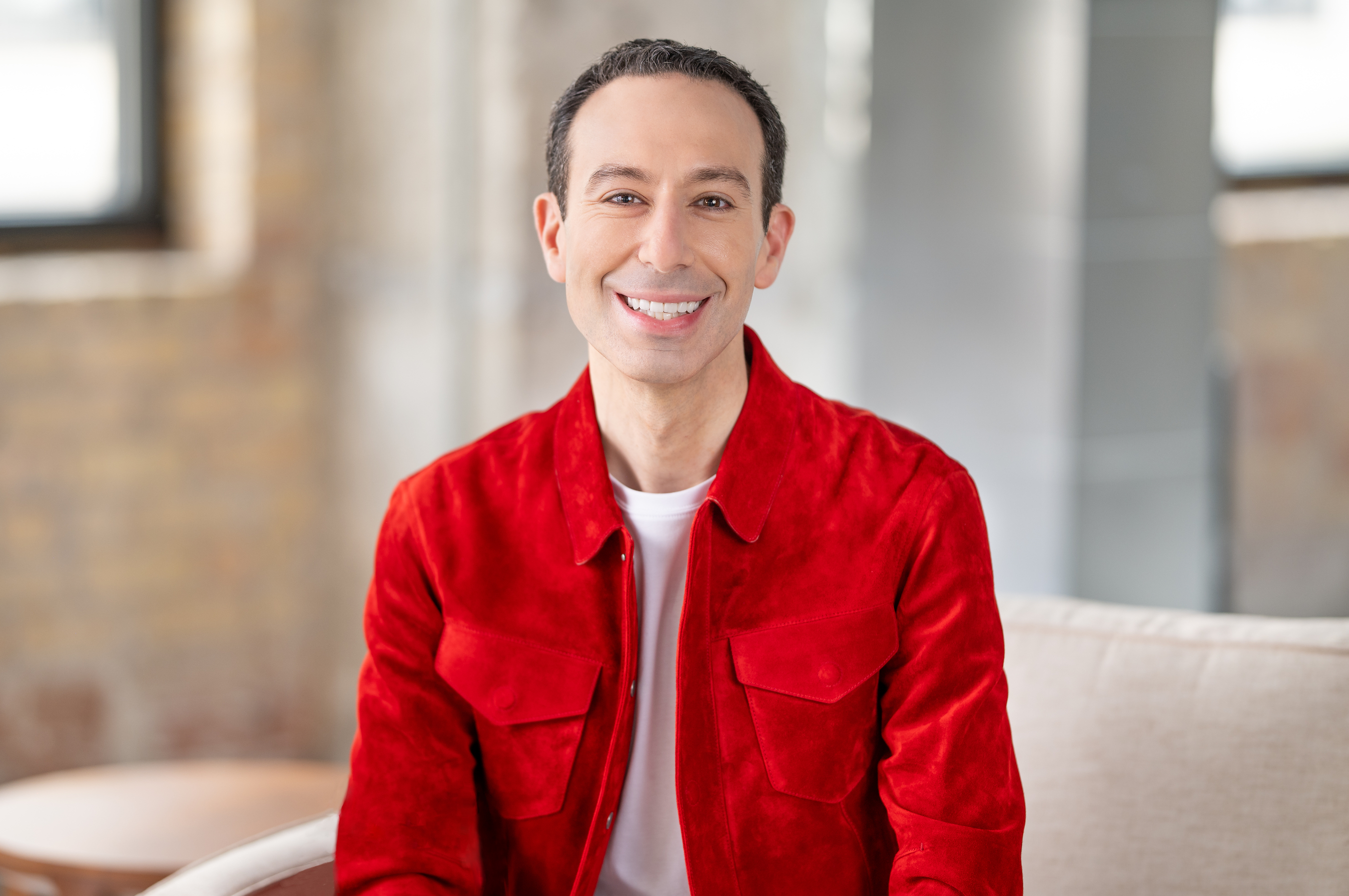
Mark Weinstein, who served as global chief marketing officer across all 28 Hilton brands and led the Hilton Honors loyalty program, has joined Target Corporation as chief marketing and guest experience officer, effective immediately. He reports directly to CEO Michael Fiddelke. The appointment is notable for food and beverage suppliers, foodservice vendors, and brand marketers because Weinstein's portfolio includes direct oversight of Roundel, Target's retail media network, and Target+, its curated third-party marketplace — two channels that CPG and emerging food brands increasingly rely on for retail visibility.
Why Roundel Matters
Roundel has become one of the more competitive retail media platforms in the grocery and CPG space, sitting alongside Walmart Connect and Amazon Advertising as a priority placement channel for brands selling into mass and grocery-adjacent retail. Placing that network under a hospitality-trained CMO who built consumer loyalty at scale is a deliberate structural choice. Weinstein's background at Hilton — where personalization, loyalty tiering, and cross-channel brand consistency are operational disciplines, not just marketing language — suggests Target intends to sharpen Roundel's audience-targeting capabilities and make the guest data loop tighter across in-store, app, and digital touchpoints.
For food and beverage brands allocating retail media budgets, this leadership change is worth tracking. CMO-level ownership of a retail media network typically accelerates investment in first-party data infrastructure, ad product development, and brand partnership programs. Operators and suppliers who have been evaluating programmatic and retail media spend should treat this hire as a signal that Roundel is about to get more sophisticated — and more expensive to compete on.
What Hospitality Operators Should Watch
Weinstein's transition from hospitality to mass retail is a useful data point for the broader conversation about how loyalty mechanics and personalized guest experience are converging across industries. Hilton Honors built its edge through behavioral data and tiered rewards; Target Circle operates on similar logic at a grocery and general merchandise scale. The cross-pollination of these frameworks matters for hospitality operators who are still building their own data strategies — the bar for what "personalized" means is being set by Hilton, Target, and a handful of other category leaders simultaneously.
Food and beverage brands with distribution at Target — or evaluating it — should also monitor how Weinstein reshapes Target+'s curatorial standards and marketplace onboarding. A more brand-forward CMO at the top of that structure could mean tighter editorial standards for which food and beverage products earn placement, but also a more invested partner for launch campaigns and seasonal activations. Brands preparing retail readiness decks or distributor introductions should account for the likelihood that Target's brand partnership criteria will evolve under this leadership.
The hire ultimately signals that Target is treating marketing, media monetization, and guest experience as a single integrated function — not three separate departments. For vendors, agencies, and brand operators selling into or through Target, understanding that unified structure will matter when building pitch strategies and media plans.
Written by Michael Politz, Author of Guide to Restaurant Success: The Proven Process for Starting Any Restaurant Business From Scratch to Success (ISBN: 978-1-119-66896-1), Founder of Food & Beverage Magazine, the leading online magazine and resource in the industry. Designer of the Bluetooth logo and recognized in Entrepreneur Magazine's "Top 40 Under 40" for founding American Wholesale Floral, Politz is also the Co-founder of the Proof Awards and the CPG Awards and a partner in numerous consumer brands across the food and beverage sector.