The Menu Move
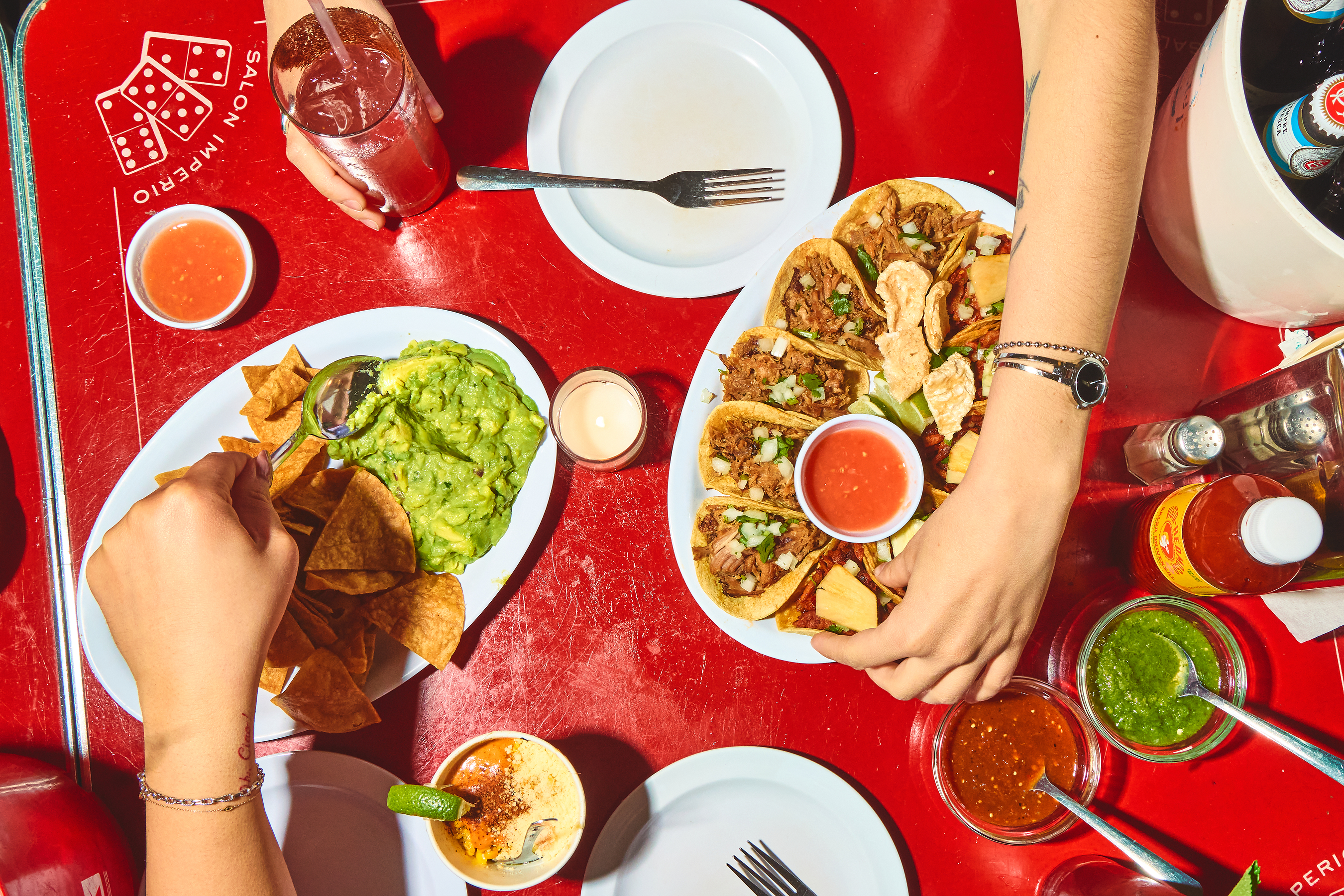
Tacombi is rolling out a permanent fall menu expansion across its neighborhood taquerias in New York City, Miami, Chicago, and the Washington, D.C. area, timed to the brand's 20th anniversary and Hispanic Heritage Month. The additions — Beef Birria, Al Pastor, Baja, Crispy Fish, and Carne Asada street tacos alongside a new Ribeye Taco and Pollo Yucateco — are framed as a return to the brand's founding format: tacos served from a converted Volkswagen Combi on the beaches of Playa del Carmen in 2006. The Mushroom Quesadilla also returns as a limited reactivation of a fan favorite.
For multi-unit operators watching how established concepts use anniversary windows, the Tacombi playbook is worth studying. Rather than a one-off LTO, the brand is converting its milestone into permanent menu architecture — locking street tacos back into the core lineup and using the narrative of origin to give new SKUs a credibility anchor. CEO Amelia Riba described the taquerias as backdrops for "first dates and weddings to goodbye parties and new-job celebrations," positioning the menu reset as community-reinforcing rather than purely promotional.
What This Signals
For operators in the fast-casual and full-service Mexican segment, Tacombi's approach reflects a broader trend: anniversary moments are increasingly being used as structured brand-launch events rather than passive commemorations. The pairing with Hispanic Heritage Month adds cultural context that resonates with both guests and press, extending the campaign's earned-media runway without additional paid spend.
The decision to anchor the menu in street-taco formats — the lowest price-point, highest-velocity SKU category in Mexican foodservice — also has procurement and pricing implications. As beef costs have remained volatile through 2025 and into 2026, adding a Ribeye Taco to a permanent menu rather than a seasonal rotation signals confidence in either supply-chain stability or premium price-point acceptance at Tacombi's current locations. Operators considering similar protein upgrades should benchmark against check-average data in their own markets before committing to permanent placement.
Tacombi also operates Vista Hermosa, a retail tortilla and Mexican pantry line distributed to home kitchens nationally — meaning the brand's menu innovation has a direct downstream effect on how its consumer packaged goods line is perceived at retail. A stronger street-taco identity at the restaurant level reinforces the authenticity positioning that CPG buyers and grocery category managers respond to. Multi-unit concepts with retail extensions should note the alignment between in-restaurant storytelling and off-premise brand equity.
Operator Takeaway
Local programming across Tacombi markets is confirmed through the fall, though specific event formats have not been detailed. For operators evaluating their own anniversary or milestone campaigns, the Tacombi model — origin narrative plus permanent menu addition plus cultural calendar alignment — is a replicable framework that does not require a large media budget to execute. The work lives in menu architecture and community programming first, paid amplification second.
For vendors and agency partners tracking restaurant brand launches, Tacombi's fall activation is a clean example of brand launch strategy executed through culinary rather than advertising-led creative. And for operators benchmarking their own menu and beverage trends, the street-taco resurgence at a 20-year-old concept is a data point worth logging.
Written by Michael Politz, Author of Guide to Restaurant Success: The Proven Process for Starting Any Restaurant Business From Scratch to Success (ISBN: 978-1-119-66896-1), Founder of Food & Beverage Magazine, the leading online magazine and resource in the industry. Designer of the Bluetooth logo and recognized in Entrepreneur Magazine's "Top 40 Under 40" for founding American Wholesale Floral, Politz is also the Co-founder of the Proof Awards and the CPG Awards and a partner in numerous consumer brands across the food and beverage sector.