The Move
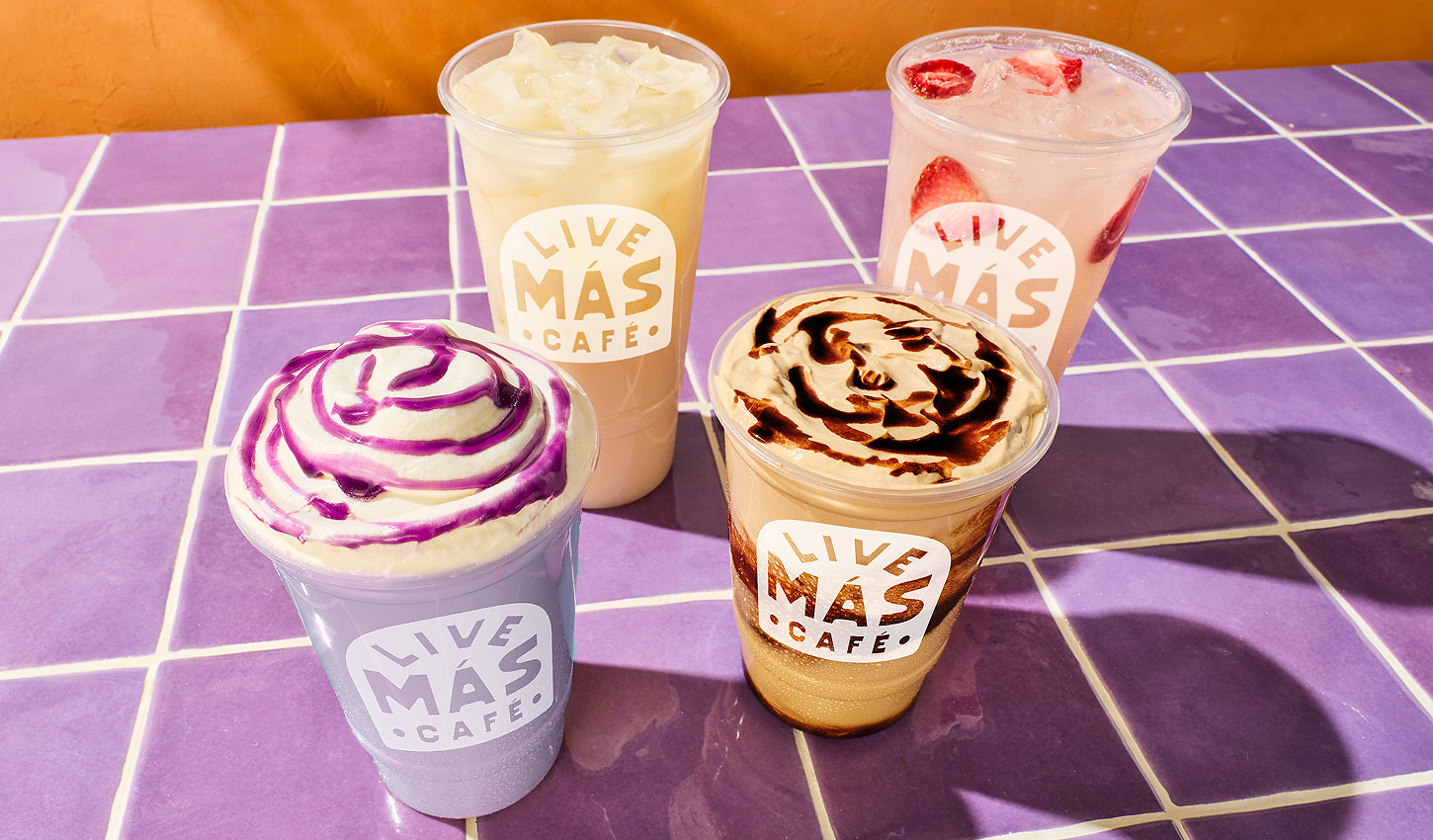
Taco Bell is using its Live Más Café sub-brand as a live test-and-scale engine for beverages, and the latest expansion round makes the strategy hard to dismiss. On October 15, four horchata-inspired drinks launched across existing Café locations in three distinct formats — Chiller, Cold Brew, and Refresca — with price points ranging from $4.19 to $5.29. By December 10, three of those SKUs plus a new Vanilla Spiced Horchata Freeze will roll into Taco Bell restaurants nationwide on a limited-time basis, effectively using the Café network as a proving ground before national distribution.
The format logic is deliberate: frozen-indulgent, coffee-forward, and fruit-refresher lanes cover the three highest-volume daypart occasions in QSR beverages. Breakfast and afternoon are already the strongest dayparts for Live Más Café, according to the brand's own tracking, and the horchata platform — a flavor with deep cultural recognition in the chain's core Hispanic consumer base — extends that window without requiring a full menu overhaul.
The Expansion Map
Three new markets are coming online before year-end. Indianapolis gets three locations — two company-owned, one operated by franchise partner KMAC Enterprises — with the first opening October 22 in West Lafayette. Southern California adds Century City Mall, Irvine, and Tustin to an existing footprint, reinforcing the home-market density that typically precedes broader franchising conversations. Las Vegas is the most strategically distinct move: a standalone Café inside a shipping container adjacent to the Taco Bell Cantina on the Strip, built in partnership with Diversified Restaurant Group and carrying Vegas-exclusive spiked beverages alongside standard menu items.
The Las Vegas flagship is worth watching closely. A liquor-licensed, merchandise-selling, destination-format Café adjacent to a Cantina property is a different unit-economics conversation than a standard inline location. Operators in entertainment corridors — and the franchise developers who serve them — should note how Taco Bell is testing whether a beverage-forward concept can anchor a tourist-traffic location the way a bar or dessert concept would.
What This Signals for Operators
Live Más Café now has 39 locations and approximately 1.3 million beverages sold since launch. The best-selling beverage launch in the concept's history — the You Seem Pretty Pink for a Baja Blast — demonstrates that novelty and social-media visibility still drive volume at the unit level, a dynamic that independent operators and emerging chains compete with every time a major QSR drops a limited-time beverage.
The $5 billion beverage sales target by 2030 is the strategic ceiling that frames all of this. For context, that goal requires Taco Bell to treat beverages not as an attachment category but as a standalone revenue center — closer to how Dutch Bros or Starbucks structures its P&L than how a traditional QSR does. The test-in-Café, scale-to-restaurants pipeline is the mechanism: launch, measure, and push winners through the 8,000-plus domestic restaurant system.
For beverage suppliers, co-manufacturers, and flavor houses watching this space, the horchata launch is a signal that culturally rooted flavor platforms — not just trending ingredients — are gaining traction in fast-casual and QSR beverage development. Operators building beverage menus for their own concepts or evaluating emerging drink-forward formats should track which flavors Taco Bell graduates from Café-only to systemwide, as those often reflect broader consumer demand data the brand has quietly accumulated at scale.
The international dimension — Taco Bell noted it is exploring how beverage learnings could translate globally — adds another layer for distributors and licensing partners operating outside the U.S.
Written by Michael Politz, Author of Guide to Restaurant Success: The Proven Process for Starting Any Restaurant Business From Scratch to Success (ISBN: 978-1-119-66896-1), Founder of Food & Beverage Magazine, the leading online magazine and resource in the industry. Designer of the Bluetooth logo and recognized in Entrepreneur Magazine's "Top 40 Under 40" for founding American Wholesale Floral, Politz is also the Co-founder of the Proof Awards and the CPG Awards and a partner in numerous consumer brands across the food and beverage sector.