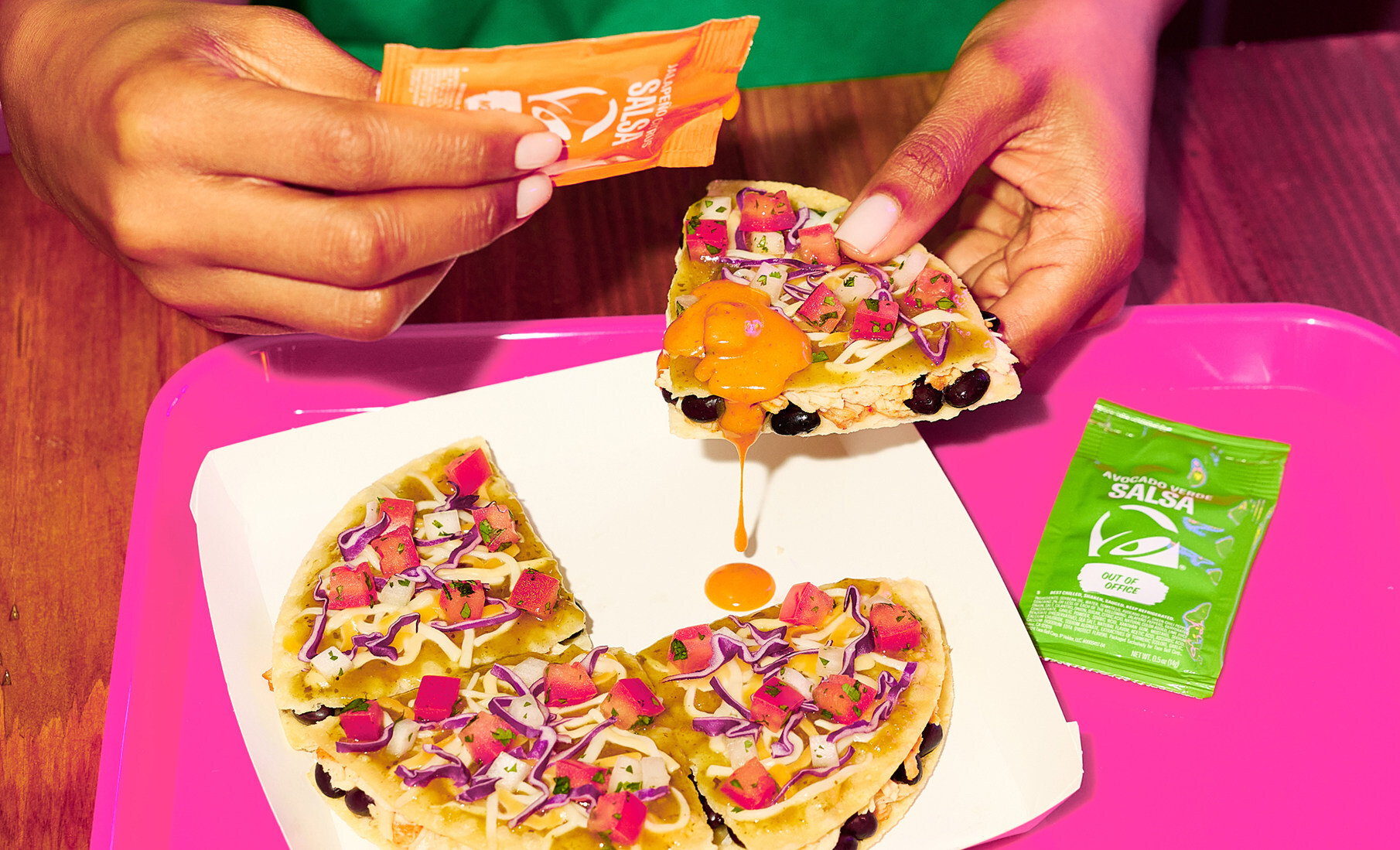
Taco Bell is launching the Cantina Chicken Mexican Pizza on May 21, but the real strategic signal isn't the product — it's the two-day head start exclusively available to Taco Bell Rewards members via the app beginning May 19. The accompanying Jalapeño Citrus Salsa debuts across the full Cantina Chicken lineup for the same limited window. Together they represent a textbook loyalty-gating maneuver: manufacture scarcity, force app engagement, and collect first-party behavioral data before any paid media fires.
This pattern is accelerating across QSR. Chains with mature loyalty infrastructure — McDonald's, Starbucks, Chipotle — routinely use early-access mechanics to convert passive guests into identified, trackable users. For operators without Taco Bell's scale, the principle still applies: a 24-to-48-hour pre-launch window for email or SMS subscribers costs almost nothing to execute but meaningfully inflates list engagement rates and gives the brand a controlled test signal before broad rollout. Geo-fenced digital campaigns can amplify that window by suppressing broad reach ads until the loyalty window closes, protecting the exclusivity perception.
The limited-time framing on both the pizza and the new salsa packet also does procurement work for Taco Bell's supply chain — a defined exit date constrains ingredient commitment and lets the brand read velocity data before any decision to extend or retire the SKU. For mid-market operators considering LTO strategy, that discipline matters more than the menu creativity. Buyers at regional distributors will be watching attach rates on the Jalapeño Citrus Salsa specifically, since a sauce packet that moves at scale is a signal about consumer palate migration toward citrus-forward heat — a trend worth tracking in beverage and condiment procurement cycles.
The product itself was previewed at Taco Bell's Live Más LIVE event, a brand-controlled media vehicle the company uses to pre-seed earned coverage before launch. That sequencing — proprietary event, loyalty early access, nationwide rollout — is a three-stage launch architecture that compresses the traditional PR-to-consumer timeline. Smaller brands and emerging chains can replicate the structure even without a stadium-scale event: a private tasting or virtual reveal for top loyalty members, followed by a 48-hour app window, followed by paid amplification, produces the same data flywheel at a fraction of the cost.
The broader takeaway for operators is that Taco Bell is treating its rewards program as a media channel, not just a discount vehicle. Every early-access launch adds opt-in data, improves push-notification deliverability scores, and trains the algorithm on who actually converts versus who just browses. Operators still running loyalty as a punch-card analog — digital or otherwise — are leaving measurable customer lifetime value on the table.
Written by Michael Politz, Author of Guide to Restaurant Success: The Proven Process for Starting Any Restaurant Business From Scratch to Success (ISBN: 978-1-119-66896-1), Founder of Food & Beverage Magazine, the leading online magazine and resource in the industry. Designer of the Bluetooth logo and recognized in Entrepreneur Magazine's "Top 40 Under 40" for founding American Wholesale Floral, Politz is also the Co-founder of the Proof Awards and the CPG Awards and a partner in numerous consumer brands across the food and beverage sector.