SUSHI-TEN USA, the operator group behind Sushi Nigiriba's Culver City and Huntington Beach locations, opened Sushi Blissba on October 1 in Cypress, California — its third California concept and its first purpose-built for a suburban Southern California community. The move is a signal worth tracking for operators watching how established Japanese dining groups are scaling beyond coastal urban corridors into mid-market suburban trade areas.
The Concept & Menu Pricing
Corporate Chef Masaya Minyu leads a menu structured around both accessibility and experiential dining — a format increasingly common among Japanese restaurant groups trying to capture weekday lunch traffic alongside higher-margin dinner occasions. Coursed lunch experiences run $32 to $58; dinner courses range $46 to $128, with the Signature dinner menu positioned at $82 per guest. That tiered pricing architecture gives the kitchen clear average-check targets across dayparts and party types, from neighborhood regulars to special-occasion diners. Menu highlights include tableside-torched Anago (saltwater conger eel), Tamagoyaki, a Sashimi Boat, and a Matcha Mochi Monaka dessert — a mix of approachable staples and technique-forward preparations designed to appeal to both sushi regulars and first-time guests exploring Japanese cuisine.
Suburban Expansion Logic
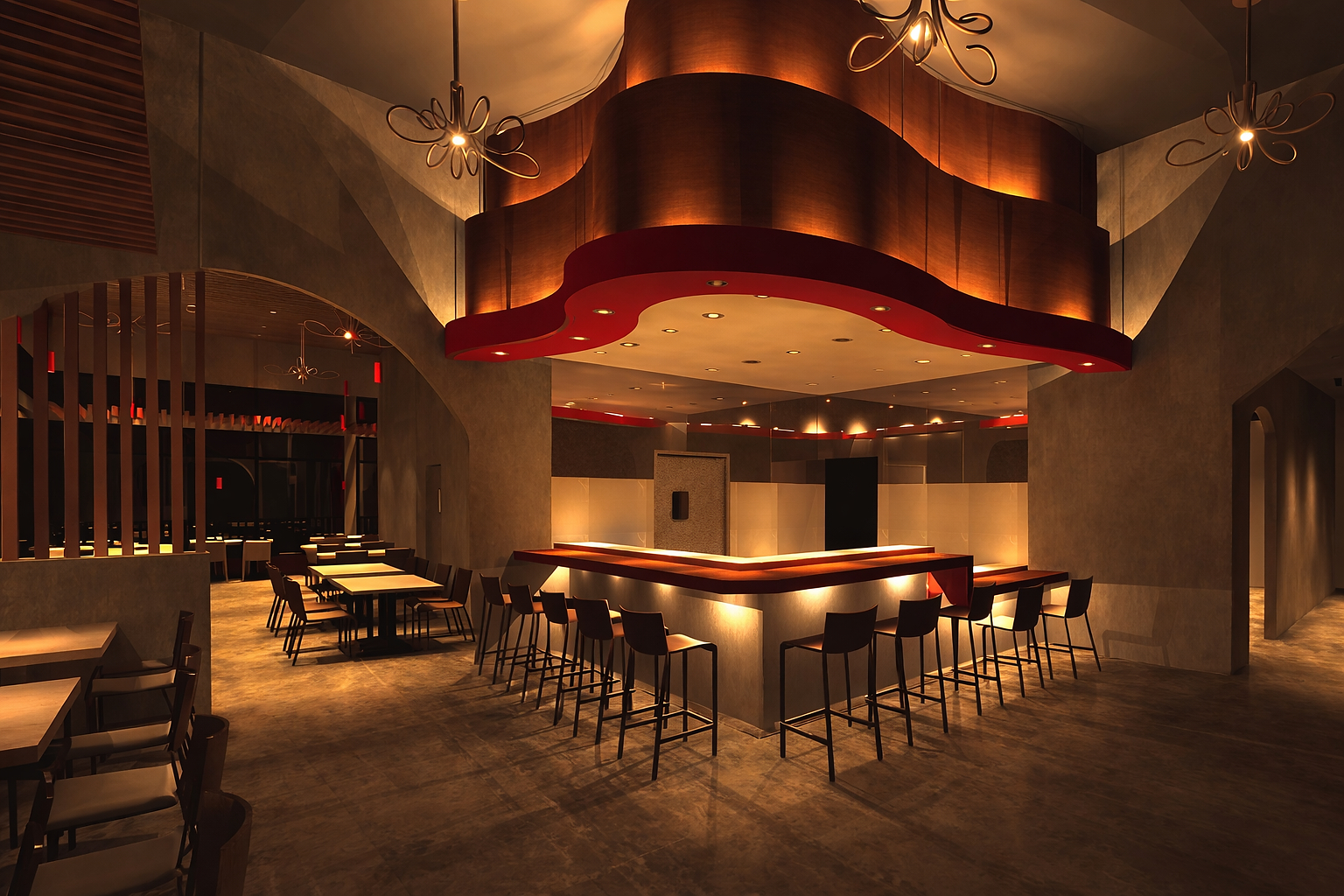
The 118-seat room — split across a dining room, a 10-seat sushi bar, and an outdoor patio — is sized for suburban volume without overextending on labor. The design language (curved architectural details, wood accents, arched openings, vertical paneling, pops of red) follows the playbook many elevated-casual Japanese concepts have used to differentiate from fast-casual competitors without committing to a full fine-dining buildout. Hours run 11 a.m. to 9 p.m. Sunday through Thursday and until 10 p.m. Friday and Saturday, with a dedicated lunch window on weekdays from 11 a.m. to 3 p.m. — a structure that maximizes kitchen utilization and staff scheduling efficiency.
For operators and vendors watching the Southern California Japanese dining market, SUSHI-TEN USA's suburban push reflects a broader pattern: multi-unit independent groups that built credibility in higher-density urban markets are now stress-testing whether their brand equity and operational systems can travel into suburban zip codes with different traffic patterns, lower average household density, and more competition from national chains. Cypress sits in northern Orange County — a dense suburban market with strong Asian-American dining demand — making it a reasonable proving ground before any further regional expansion.
Retail-ready beverage programs (sake, Chu-Hi, beer, wine, green tea) round out per-guest check potential without requiring a dedicated bar program investment. For suppliers and distributors serving independent Japanese concepts in the Southern California market, a third SUSHI-TEN USA location represents a procurement conversation worth initiating — particularly on sake, Japanese spirits, and specialty seafood.
Operators considering their own suburban expansion, or vendors seeking placement in growing independent multi-unit groups, should track how Sushi Blissba performs against its Huntington Beach sibling — a similarly suburban Orange County market that likely provided the proof of concept for this move. For further context on restaurant concept expansion and brand launch intelligence, see our coverage of suburban restaurant market strategy and operator menu pricing trends.
Written by Michael Politz, Author of Guide to Restaurant Success: The Proven Process for Starting Any Restaurant Business From Scratch to Success (ISBN: 978-1-119-66896-1), Founder of Food & Beverage Magazine, the leading online magazine and resource in the industry. Designer of the Bluetooth logo and recognized in Entrepreneur Magazine's "Top 40 Under 40" for founding American Wholesale Floral, Politz is also the Co-founder of the Proof Awards and the CPG Awards and a partner in numerous consumer brands across the food and beverage sector.