Airport hospitality group OTG and Hormel Foods' SPAM® brand are staging a limited-time activation at Minneapolis–Saint Paul International Airport (MSP), placing the newly launched SPAM® Dog — a hot dog format of the iconic canned product — across three Terminal 1 restaurants through mid-September, or while supplies last. The timing is deliberate: the SPAM® Dog's official Minnesota State Fair debut runs August 27 through September 7, making MSP a captive pre-launch venue reaching travelers already primed for regional food culture.
The Activation Structure
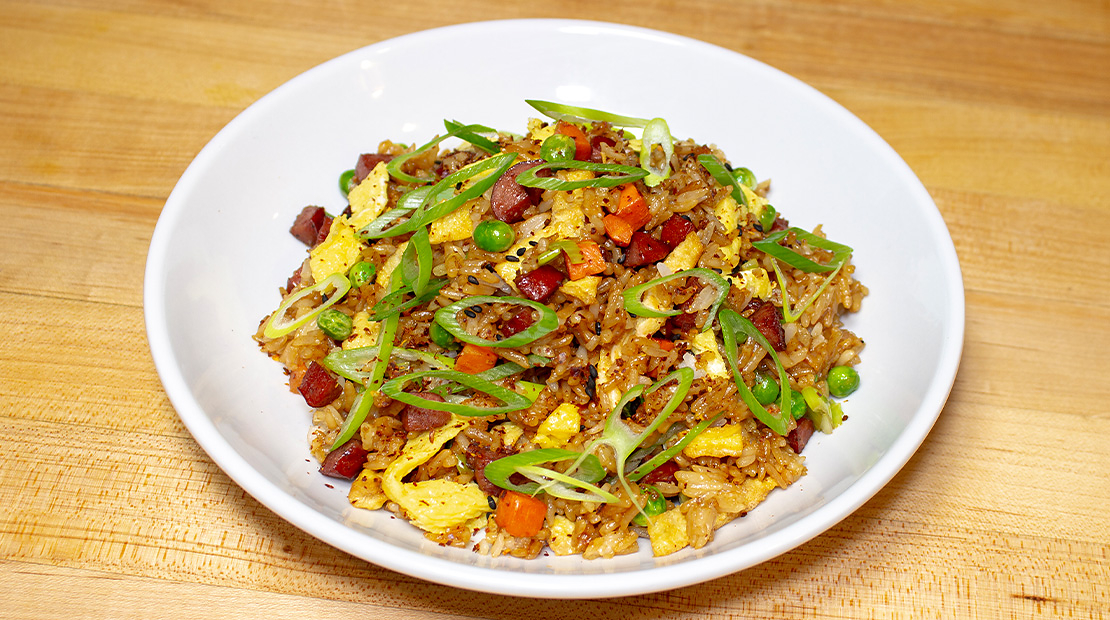
Three OTG-operated concepts are each running a chef-developed preparation. Custom Burger (Gates G1-6 and G18) is serving a fair-battered SPAM® Dog with pineapple ketchup. Shoyu, at the entrance to Concourse G, is featuring a wok-fried jasmine rice bowl with diced SPAM® Dog, egg, togarashi, and Maggi glaze. Mill City Tavern near Gate G18 is plating a grilled SPAM® Dog glazed with gochujang, topped with scallion slaw and Thai peanut drizzle. Each concept interprets the same base protein through its own culinary identity — a structure that gives the brand three distinct menu occasions without requiring a dedicated pop-up footprint.
For operators watching airport concession trends, this model is worth studying. OTG's approach — assigning a hero ingredient to multiple house concepts rather than building a brand-specific kiosk — distributes trial across a wider gate footprint and keeps execution within existing kitchen workflows. It also gives the CPG partner (in this case Hormel) legitimate menu placement data across cuisine categories, which carries real value in retail and foodservice buyer conversations.
What This Signals for Brand Launch
The airport-as-launch-pad strategy is gaining traction among CPG and foodservice brands that need a controlled, high-traffic test environment before scaling to mass retail or event venues. Captive-audience dwell time at major hubs averages well above a typical QSR visit, and travelers skew toward adventurous food choices when they're already in an experiential mindset. For a brand introducing a format extension — like a hot dog SKU built on a canned-meat legacy — that context is genuinely advantageous.
Haley Eggum, brand manager of the SPAM® Brand, noted that OTG's chefs built dishes that highlight the product's versatility, which is a recurring Hormel talking point as the brand pursues broader foodservice placement. With Hormel Foods reporting over $12 billion in annual revenue, SPAM® is far from a niche play — but format innovation is how the brand stays relevant in an increasingly crowded protein snack and convenience-food aisle.
For food and beverage operators considering similar co-branded LTO structures, the SPAM®–OTG collaboration reinforces a few dynamics worth tracking: regional brand equity travels well when the activation geography matches the brand's home-market story, chef-driven interpretations outperform simple logo placements in perceived menu authenticity, and state fair timing creates earned-media overlap that extends the activation's effective reach. Operators exploring brand launch strategies for new SKUs or LTO menu planning should note how cleanly this partnership aligns product introduction with a pre-existing cultural moment rather than trying to manufacture one from scratch.
Written by Michael Politz, Author of Guide to Restaurant Success: The Proven Process for Starting Any Restaurant Business From Scratch to Success (ISBN: 978-1-119-66896-1), Founder of Food & Beverage Magazine, the leading online magazine and resource in the industry. Designer of the Bluetooth logo and recognized in Entrepreneur Magazine's "Top 40 Under 40" for founding American Wholesale Floral, Politz is also the Co-founder of the Proof Awards and the CPG Awards and a partner in numerous consumer brands across the food and beverage sector.