The Programming Shift
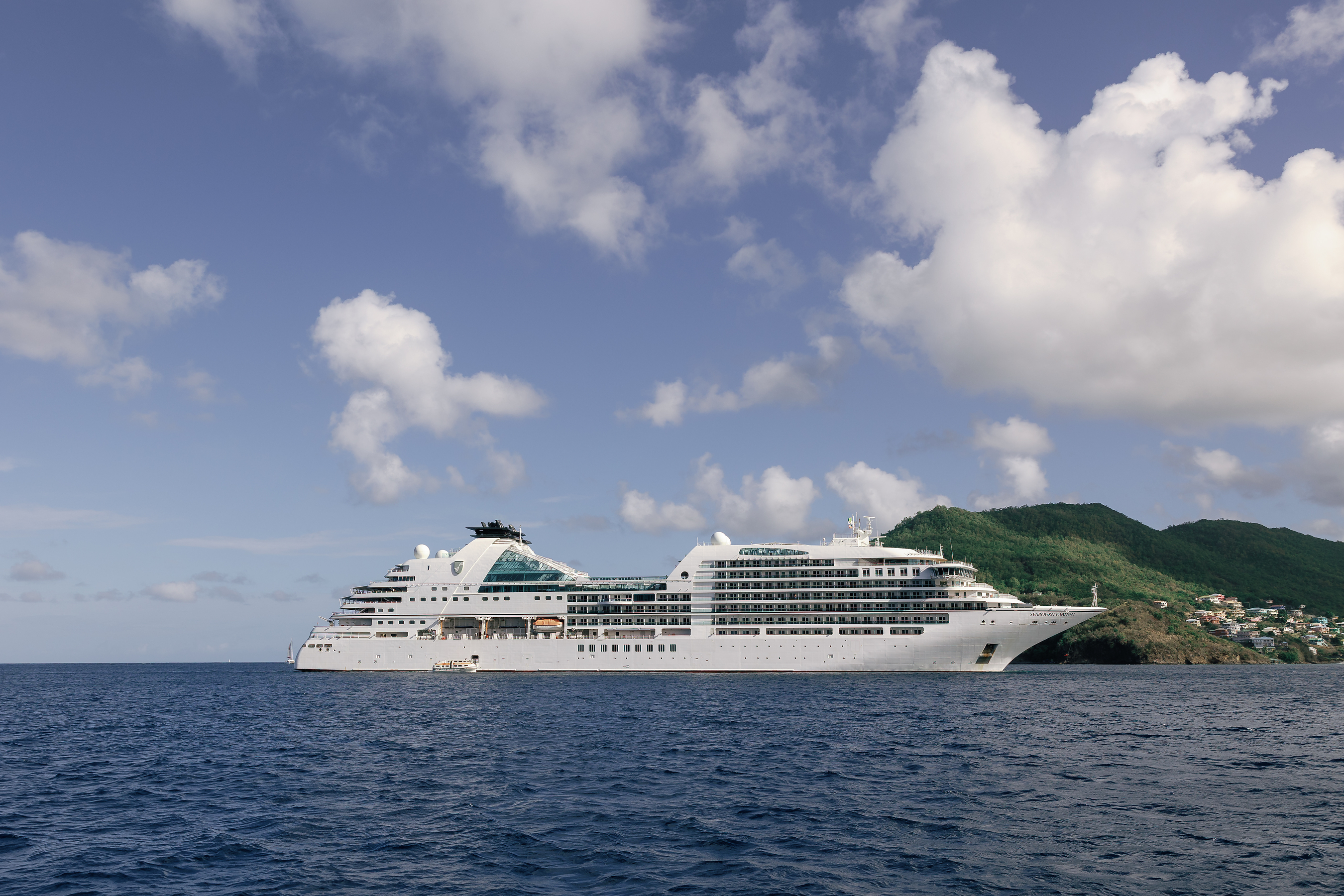
Seabourn is deploying a systematic, destination-matched food and beverage program across its 2026–2027 Caribbean season, moving beyond one-off themed dinners into a layered culinary architecture that runs from embarkation through the final evening at sea. The program, launching November 2026 aboard Seabourn Ovation and Seabourn Quest, extends the cruise line's Earth & Ocean philosophy — originally an open-air restaurant concept introduced in 2018 — into a fleetwide procurement and menu-development framework tied directly to port itineraries.
For foodservice operators and hospitality brand teams watching luxury travel, the structure here is instructive. Rather than bolting Caribbean dishes onto a fixed menu, Seabourn has built the season around ingredient provenance and regional spirit identity. Caribbean rums anchor a cocktail program called Rum by Latitude, where specific cocktails are matched to individual ports of call — Pitons Punch in St. Lucia, Vieux Ami Punch in Martinique, Prescription Painkiller in Jost Van Dyke. The approach treats the beverage program as a cartographic tool, not just a sales lever.
What Operators Should Note
The menu architecture is worth examining closely. The Caribbean Seafood Boil is designed as a three-course experience — Caribbean seafood chowder with sweet potato, coconut, and lemongrass; a full seafood boil with warm-water lobster, blackened snapper, clams, and mussels; and rum cake for dessert. The Caribbean Brunch and final-evening à la carte Land & Sea dinner in The Colonnade round out a structure that sequences distinct F&B moments across the voyage arc rather than concentrating them in a single event.
Beyond the dining room, poolside programming includes coconut water hydration shots, sorbet, and fruit skewers. At Carambola Beach in St. Kitts, a new fresh sugar cane juice station joins the existing "Caviar in the Surf" activation — where staff serve Champagne and caviar from a surfboard bar in the water. The beach-to-boat continuity is a technique resort and hotel F&B teams have been pressured to replicate as guests increasingly expect curated sensory throughlines across every venue touchpoint.
Michael Stendebach, Senior Vice President of Guest Experience & Product Development for Seabourn, frames the intent plainly: the goal is using flavor, ingredients, and traditions to tell the story of a destination at every moment in the journey.
Procurement and Brand Signals
For suppliers and distributors working the hospitality channel, the Seabourn rollout signals continued demand for regionally traceable ingredients in premium foodservice. The explicit inclusion of Jamaican Blue Mountain Coffee as an on-request item — rather than a standard offering — reflects a broader trend in luxury hospitality toward provenance specificity over category generics. Operators building Caribbean menus or procurement specs for the 2026–2027 season should take note of how warm-water seafood, regional rums, fresh cane, and island produce are being positioned as hero SKUs rather than supporting elements.
The 20-departure season runs November 2026 through March 2027, covering 24 ports across 19 islands and countries, with departures from Barbados, Sint Maarten, Miami, and San Juan. That scale — across two ships and multiple itineraries — means the procurement volumes behind this program are not trivial. Suppliers able to provide consistent regional product across a multi-month, multi-port season are the ones positioned to benefit from this category of hospitality contract.
For operators building their own destination-led F&B programs, the Seabourn model offers a replicable framework: map your menu to your geography, build your beverage program around provenance, and extend the culinary experience outside the dining room into every branded touchpoint. That approach is showing up not just in luxury cruise F&B strategy but across resort hotels and experiential dining concepts competing for the same high-intent traveler. Brands looking to develop similar regional identity programs should consider how beverage-led brand launches can anchor a broader culinary narrative the way Rum by Latitude does here.
Written by Michael Politz, Author of Guide to Restaurant Success: The Proven Process for Starting Any Restaurant Business From Scratch to Success (ISBN: 978-1-119-66896-1), Founder of Food & Beverage Magazine, the leading online magazine and resource in the industry. Designer of the Bluetooth logo and recognized in Entrepreneur Magazine's "Top 40 Under 40" for founding American Wholesale Floral, Politz is also the Co-founder of the Proof Awards and the CPG Awards and a partner in numerous consumer brands across the food and beverage sector.