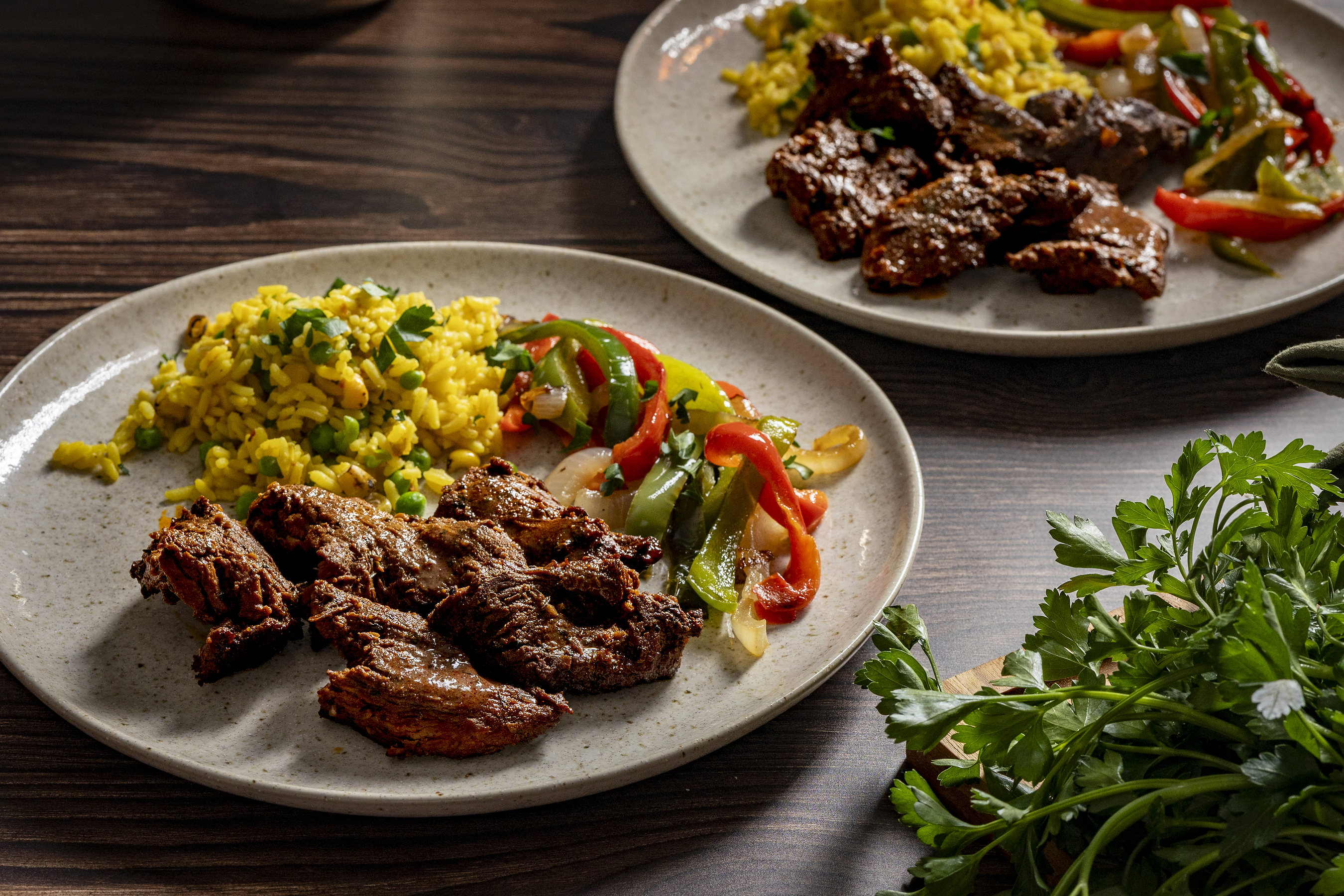
Four-generation premium beef purveyor Schweid & Sons is moving beyond its signature burger and ground beef positioning with the launch of Marinated Steak Tips, a ready-to-cook product line available in Cajun Style and Teriyaki Style. Made from whole, hand-butchered Tri-Tip cuts and pre-marinated for zero-prep cooking, the line targets consumers who want restaurant-quality beef at home without the planning that typically comes with whole-muscle cuts.
For buyers, grocery category managers, and foodservice operators watching the premium protein shelf, the launch is worth tracking. Schweid & Sons has built its retail and on-premise reputation on craft-quality ground beef and burger programs. Extending into marinated whole-muscle cuts is a meaningful format expansion — one that puts the brand in direct competition with the growing ready-to-cook protein segment, which has seen sustained velocity across club, conventional grocery, and specialty retail channels over the past three years.
What the Format Signals
The ready-to-cook marinated protein category is no longer a value-segment play. Operators and retail buyers have watched premium entrants — particularly in pork and poultry — use chef-inspired marinades and whole-muscle cuts to justify higher price-per-pound positioning while reducing friction for the end consumer. Schweid & Sons is applying that same logic to beef, specifically Tri-Tip, a cut with strong West Coast consumer familiarity and growing national recognition through foodservice menus.
Jennifer Versacci, Chief Commercial Officer at Schweid & Sons, framed the launch around the brand's core conviction: "Our Marinated Steak Tips reflect that commitment by combining whole cuts of premium Tri-Tip with chef-inspired flavors and ready-to-cook convenience. We want consumers to spend less time prepping and more time enjoying great food."
The two flavor entries — smoky Cajun and sweet-savory Teriyaki — are deliberate choices. Both profiles have proven retail velocity in adjacent categories (wings, pork tenderloin, salmon) and translate easily across multiple meal occasions: rice bowls, tacos, stir-fries, skewers, and high-protein snacking. That occasion versatility is a key retail shelf argument when pitching category buyers on repeat-purchase potential beyond a single dinner occasion.
Procurement and Operator Takeaways
For foodservice procurement teams and distributors, the Schweid & Sons move is part of a broader pattern: established beef-centric brands are investing in value-added, reduced-labor protein formats to address both operator labor constraints and retail consumer demand for convenience. As menu pricing intelligence continues to show consumers trading down from full-service dining, the at-home premium protein segment represents a meaningful volume opportunity.
Distributors and retail buyers evaluating the line should note the Tri-Tip cut selection. Tri-Tip has historically been a regional performer (particularly in California BBQ culture), but its appearance on national chain menus over the past 18 months suggests consumer familiarity is broadening. A pre-marinated, portion-cut Tri-Tip product from a nationally recognized beef brand is a credible bet on that trajectory.
Brands considering comparable brand launch or retail readiness moves in the protein segment should watch Schweid & Sons' distribution rollout closely — specifically whether the line enters club retail, where marinated proteins have seen some of the strongest velocity, or leans into conventional grocery first.
Written by Michael Politz, Author of Guide to Restaurant Success: The Proven Process for Starting Any Restaurant Business From Scratch to Success (ISBN: 978-1-119-66896-1), Founder of Food & Beverage Magazine, the leading online magazine and resource in the industry. Designer of the Bluetooth logo and recognized in Entrepreneur Magazine's "Top 40 Under 40" for founding American Wholesale Floral, Politz is also the Co-founder of the Proof Awards and the CPG Awards and a partner in numerous consumer brands across the food and beverage sector.