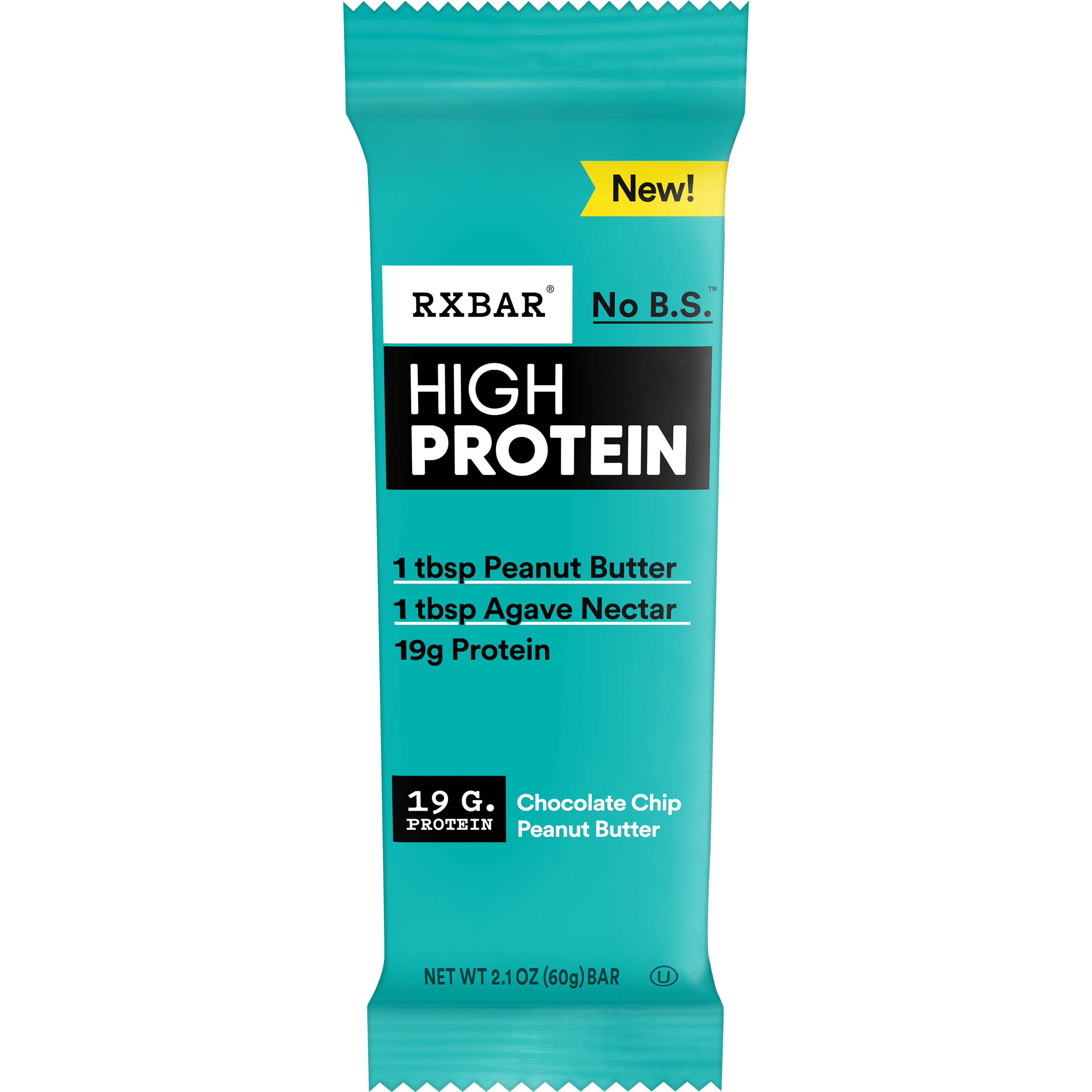
RXBAR, the Mars-owned bar brand that built its identity around a brutally short ingredient list, is extending its High Protein line with a Chocolate Chip Peanut Butter variety — 19.0g of plant-based protein, six ingredients, and a chewy cookie-dough texture designed to compete in an increasingly crowded functional-snack set. The rollout begins June 2026 at select retailers, with broader distribution to follow. For operators running grab-and-go programs, hotel pantries, or fitness-adjacent F&B concepts, this launch is worth tracking before the resets hit.
The timing is deliberate. Protein density has become the dominant filter for millennial and Gen Z snack buyers, and the ingredient-transparency trend that RXBAR pioneered on its original line has matured into a baseline expectation rather than a differentiator. By stacking both signals — high protein and a readable label — in a single SKU, Mars is protecting RXBAR's positioning against both legacy bar brands that have added protein claims and newer entrants marketing ultra-clean formulations. Buyers at natural and conventional grocery have been allocating more linear feet to bars in the 15g-plus protein tier over the past two years, and a recognizable brand name with retail velocity behind it carries significant weight in those conversations. Operators sourcing bars for amenity programs or café cases will find RXBAR's existing distribution footprint makes it an easier add than an emerging brand without a broker relationship.
From a procurement and brand-launch intelligence standpoint, the phased rollout structure — select doors first, expanded distribution to follow — is a standard Mars playbook move that gives the brand performance data before committing full promotional spend. Operators evaluating this for a menu or retail program should expect promotional pricing windows in the back half of 2026 as the brand pushes distribution velocity. That's a predictable buying opportunity. For hotel F&B directors and convenience-format operators, locking in a program agreement during the launch window typically yields better cost-per-unit than waiting for the SKU to mature. It also worth noting that the plant-based protein angle — almost certainly peanut and egg white given RXBAR's existing formulation approach — positions this bar for operators who need a product that speaks to multiple dietary segments without maintaining separate SKUs.
The broader signal here connects to what operator intelligence has been tracking across the snack and grab-and-go category: consumers are not just reaching for protein, they are actively reading labels and penalizing products with unfamiliar additives. Brands that can hold both attributes simultaneously are taking share. For operators building or refreshing a grab-and-go program, this launch is a prompt to audit your current bar set against current protein-per-bar counts and ingredient-list length. If your case is anchored on legacy SKUs that have not updated their formulations, you may already be leaving purchase intent on the table.
Written by Michael Politz, Author of Guide to Restaurant Success: The Proven Process for Starting Any Restaurant Business From Scratch to Success (ISBN: 978-1-119-66896-1), Founder of Food & Beverage Magazine, the leading online magazine and resource in the industry. Designer of the Bluetooth logo and recognized in Entrepreneur Magazine's "Top 40 Under 40" for founding American Wholesale Floral, Politz is also the Co-founder of the Proof Awards and the CPG Awards and a partner in numerous consumer brands across the food and beverage sector.