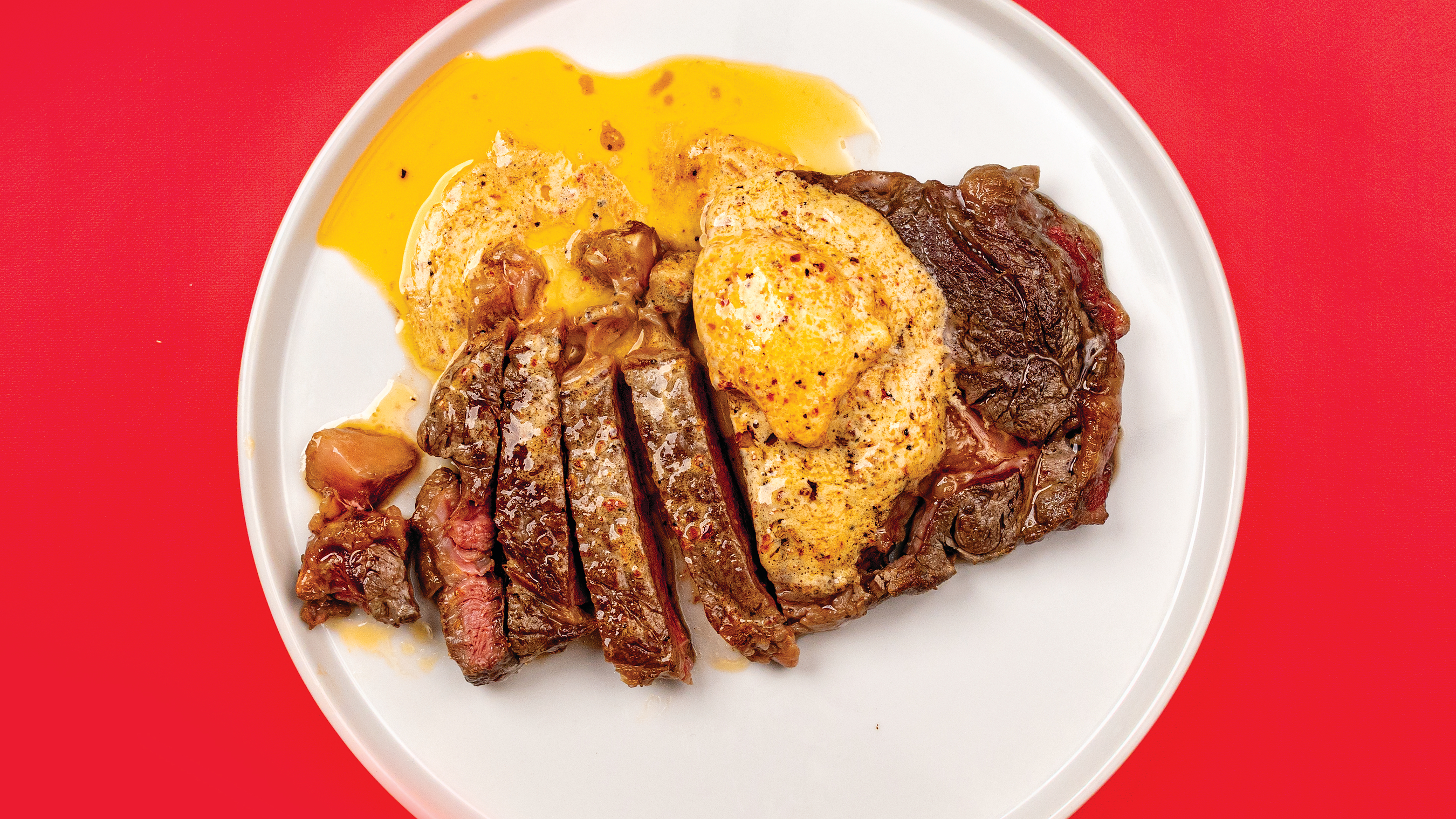
Ruby Tuesday is sharpening its menu identity, putting burgers, ribs, seafood, and its longstanding Garden Bar at the center of the guest experience. The move is less about introducing new items and more about editing the plate count down to what the brand does best — a disciplined approach that operators across casual dining have been slow to adopt despite mounting evidence that simpler menus improve ticket times, food cost, and guest satisfaction scores.
Why Simplicity Is the Strategy
Menu rationalization has quietly become one of the highest-leverage operational moves in full-service dining. Chains that reduced SKU counts coming out of the pandemic consistently reported lower food waste, faster line training, and tighter cost-of-goods variance. Ruby Tuesday's decision to foreground four distinct categories — rather than expand into trend-chasing territory — aligns with what category data has shown for several cycles: guests at casual-dining price points want confidence and consistency, not novelty.
The Garden Bar deserves specific attention here. Self-serve salad bars fell out of favor during COVID-era dining restrictions, but operators who maintained them have seen steady recovery as consumers reassert a preference for customization and perceived value. For Ruby Tuesday, the Garden Bar functions as both a traffic differentiator and a check-builder — a combination that matters when average check pressure is real and traffic is competitive.
Signals for Operators and Vendors
For operators benchmarking their own menu strategy, Ruby Tuesday's refresh is a useful case study in category anchoring. Rather than leading with a hero LTO or a celebrity collaboration, the brand is investing in the credibility of its core. That signals confidence in its existing guest base and a willingness to prioritize repeat visit frequency over trial-driven spikes.
From a procurement and vendor standpoint, a tighter menu means more concentrated purchasing volume in fewer SKUs — which typically improves negotiating leverage with protein suppliers and reduces the complexity tax on kitchen equipment utilization. Operators running bloated menus with 80-plus items should note that the rationalization math almost always favors consolidation when labor costs remain elevated.
Agencies and marketing partners watching the casual-dining segment should also read this as a cue: brand campaigns built around signature equity — "known for" positioning — are outperforming broad awareness buys in the current media environment. Ruby Tuesday leaning into its established favorites rather than manufacturing a new reason to visit is a media-efficient play that smaller regional chains can replicate without national budget scale.
For operators evaluating their own menus heading into 2026 planning cycles, the Ruby Tuesday playbook offers a straightforward template: audit by velocity, cut the bottom quartile, and reinvest in the items guests already associate with your brand. The chains gaining ground right now are largely the ones that stopped trying to be everything and started being exceptional at a few things. Vendors supplying into casual dining — from packaging to POS systems to protein distributors — should expect more clients moving in this direction over the next 12 to 18 months.
Written by Michael Politz, Author of Guide to Restaurant Success: The Proven Process for Starting Any Restaurant Business From Scratch to Success (ISBN: 978-1-119-66896-1), Founder of Food & Beverage Magazine, the leading online magazine and resource in the industry. Designer of the Bluetooth logo and recognized in Entrepreneur Magazine's "Top 40 Under 40" for founding American Wholesale Floral, Politz is also the Co-founder of the Proof Awards and the CPG Awards and a partner in numerous consumer brands across the food and beverage sector.