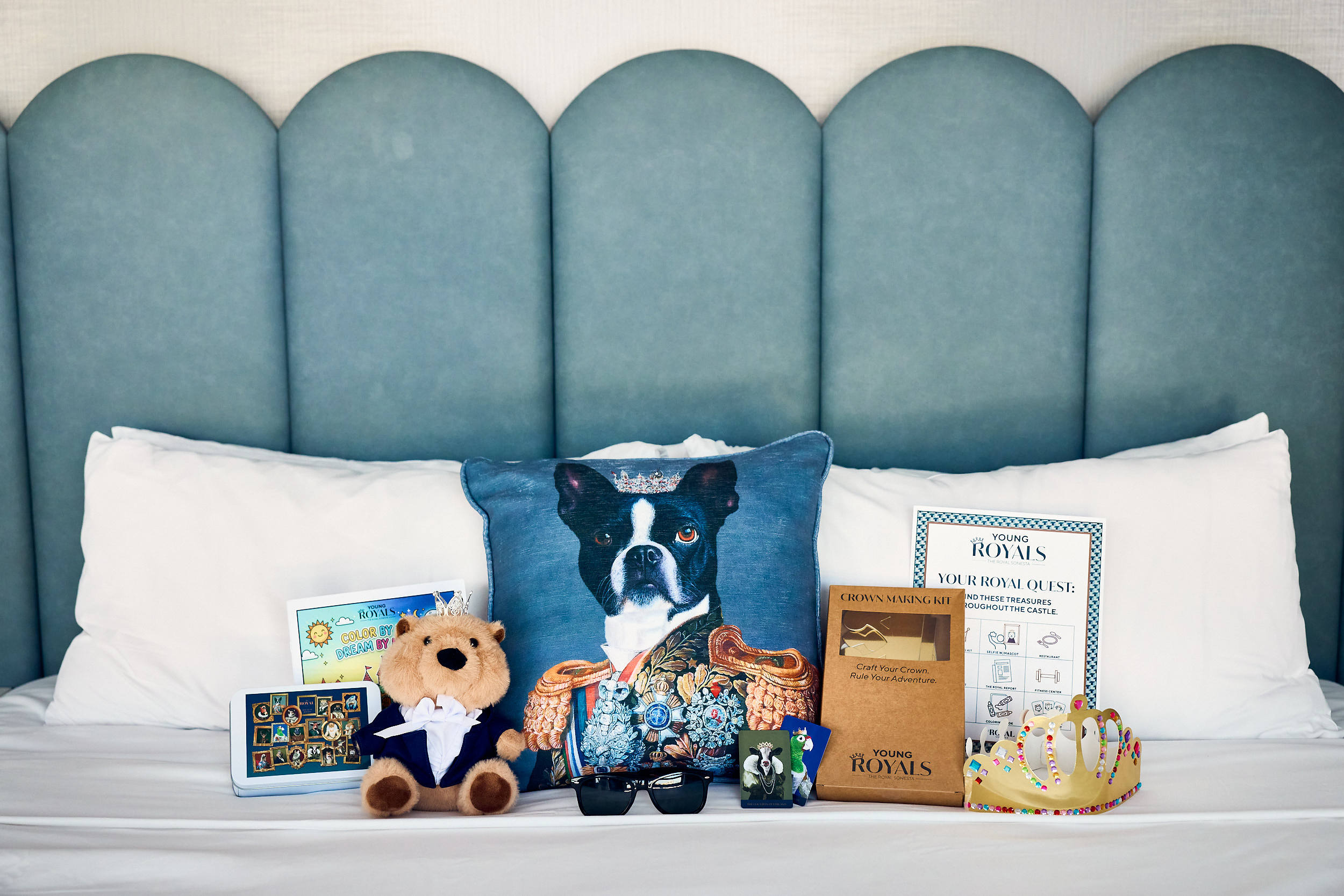
Royal Sonesta properties are turning the family check-in into a revenue-generating program — and the dining component is built into the architecture from the start. Sonesta International Hotels Corporation launched Young Royals this month at five Royal Sonesta locations: Chicago Downtown, San Juan, Washington DC Capitol Hill, The Benjamin Royal Sonesta New York, and The Yorkville Royal Sonesta Toronto. The program packages themed activities, mascot characters, and scavenger hunts together with a dedicated F&B component that includes a kid-friendly menu and branded cup merchandise — signaling that hotel operators are treating family dining as a differentiated revenue lane, not an afterthought.
The F&B Layer
The "Dine Like Royalty" element of Young Royals is the piece operators should pay closest attention to. Dedicated kid menus tied to a broader brand narrative — complete with collectible branded drinkware — move hotel F&B out of the commodity category and into the experiential one. For full-service hotel restaurants already managing thin margins, tying a kids' dining package to a room-rate upsell or loyalty program redemption creates a bundling opportunity that isolated à la carte menus cannot. Sonesta's Travel Pass loyalty program, which rewards stays with points toward free nights, gives the company a direct mechanism to attach F&B spend to member accounts — useful data for future menu and promotional decisions.
What This Signals for Operators
Family travel is a durable segment. According to hotel industry tracking, family-coded room nights tend to outperform average daily rate benchmarks during shoulder seasons when business travel softens — making family programming a counter-cyclical hedge for full-service properties. Royal Sonesta's move to formalize that with a named, branded program across five flagship urban and resort-adjacent properties is a clear signal that family F&B is moving up the priority stack at upper-upscale brands. Vendors and F&B consultants working with hotel groups should expect more RFPs oriented around children's menu development, themed packaging, and branded beverage programs — not as one-off requests but as recurring program refreshes tied to a calendar of activations.
For independent operators and regional hotel F&B directors watching from the outside, the competitive implication is direct: families choosing between a branded full-service hotel and an independent property will increasingly factor in whether a structured kids' experience exists. That gap is easiest to close at the menu and programming level before it becomes a loyalty-program gap. Building a defined family dining identity — even without the castle setups — is a lower-cost entry point worth prioritizing now. For relevant context on how hotel brands are structuring experiential dining initiatives, see our coverage in operator intelligence and brand launch.
Written by Michael Politz, Author of Guide to Restaurant Success: The Proven Process for Starting Any Restaurant Business From Scratch to Success (ISBN: 978-1-119-66896-1), Founder of Food & Beverage Magazine, the leading online magazine and resource in the industry. Designer of the Bluetooth logo and recognized in Entrepreneur Magazine's "Top 40 Under 40" for founding American Wholesale Floral, Politz is also the Co-founder of the Proof Awards and the CPG Awards and a partner in numerous consumer brands across the food and beverage sector.