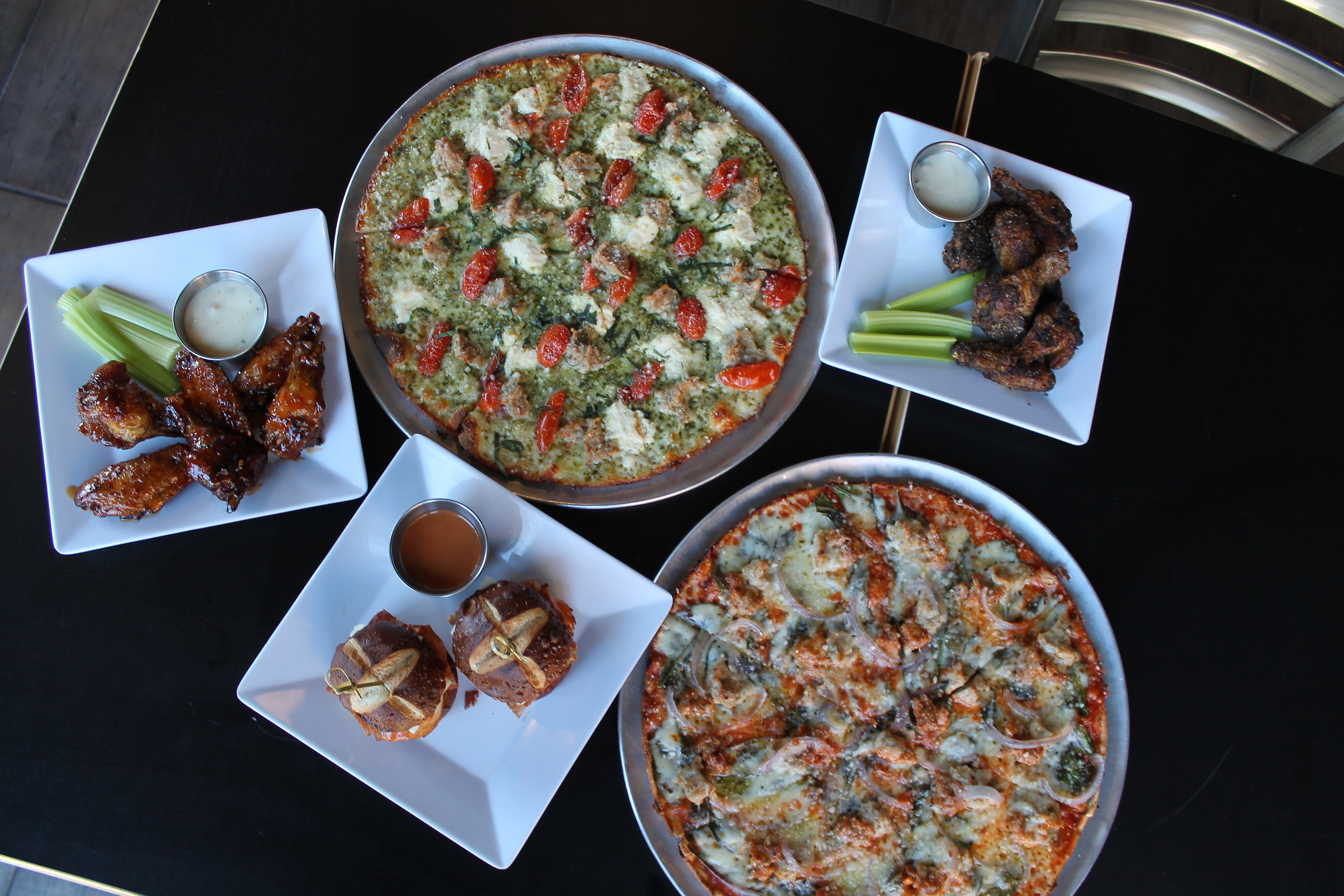
Riko's Pizza, the Stamford, Connecticut-based tavern-style pizza franchise, launched five chicken-forward limited-time offerings on June 8 under the banner 'Pollo di Buon Gusto,' running through September 30. The drop includes two specialty pizzas, two new wing flavors, and a chicken slider — a deliberately broad sweep across daypart and format that tells operators something worth paying attention to: protein-anchored LTO clusters are outperforming single-item launches on both trial and attachment rate metrics.
The move fits squarely into a documented shift in fast-casual and pizza-segment menu strategy. Chicken has overtaken beef as the go-to LTO protein at independent and franchise pizza concepts, driven by lower commodity volatility relative to ground beef and a consumer preference signal that has held steady across multiple QSR operator surveys. For a regional franchise like Riko's, building five SKUs around one protein anchor also simplifies back-of-house execution — one protein, multiple price points, from a slider entry to a specialty pizza topping out above the average ticket. That is a proven upsell architecture, and operators benchmarking their own seasonal menu engineering should note how deliberately this cluster is constructed.
From a brand-launch and traffic-generation standpoint, the June 8 through September 30 window is not accidental. It captures the full summer occasion spike — outdoor dining, sports viewership, and off-premise volume — and gives the franchise system enough runway to build earned media, gather POS data by SKU, and decide which items, if any, earn a permanent slot before Q4 planning cycles begin. Franchises that run LTOs in isolation without a feedback loop into menu permanence planning are leaving intelligence on the table. Regional operators running their own brand launch or seasonal campaign work should build the analytics gate in before the window closes, not after.
For operators watching category dynamics, Riko's 'Pollo di Buon Gusto' cluster is also a signal about how franchise systems are packaging LTOs for marketing efficiency. A themed umbrella name gives digital and social teams a single creative hook across five menu items — one hashtag, one visual identity, one geo-targeted ad set — rather than five separate campaigns. That compression of creative spend is increasingly the standard at brands running programmatic and paid social simultaneously, and it lowers the cost-per-impression on the full LTO window. Suppliers and co-manufacturers pitching seasonal protein programs to regional chains should treat this as a benchmark for how operators want their LTO story structured when it hits the menu board and the media plan at the same time.
If you operate a pizza concept, a tavern-casual format, or a franchise system with 10 or more units, the Riko's playbook here is worth a direct read. Protein cluster, themed creative umbrella, multi-format SKU spread, summer timing, and a hard end date that forces a permanence decision before the holiday quarter. That is not an accident — that is operator-grade menu discipline.
Written by Michael Politz, Author of Guide to Restaurant Success: The Proven Process for Starting Any Restaurant Business From Scratch to Success (ISBN: 978-1-119-66896-1), Founder of Food & Beverage Magazine, the leading online magazine and resource in the industry. Designer of the Bluetooth logo and recognized in Entrepreneur Magazine's "Top 40 Under 40" for founding American Wholesale Floral, Politz is also the Co-founder of the Proof Awards and the CPG Awards and a partner in numerous consumer brands across the food and beverage sector.