A Texas Panhandle ranch that raises, feeds, and processes its own cattle is now on shelves in more than 5,900 retail doors — and the speed of that expansion tells buyers something worth noting.
Ribbonwire Ranch, a family-owned organic beef snack producer based in Dalhart, Texas, announced this week that new and expanded distribution has landed the brand at Albertsons, Kroger, Super 1 Foods, Bashas', Gelson's, and Erewhon, layered on top of an existing presence at more than 800 Sheetz convenience locations. The growth follows the June retail debut of the brand's 100% USDA Certified Organic Beef Stick — a product that arrived at a moment when country-of-origin labeling and domestic sourcing are driving real shelf decisions at the buyer level.
The Origin-Label Signal
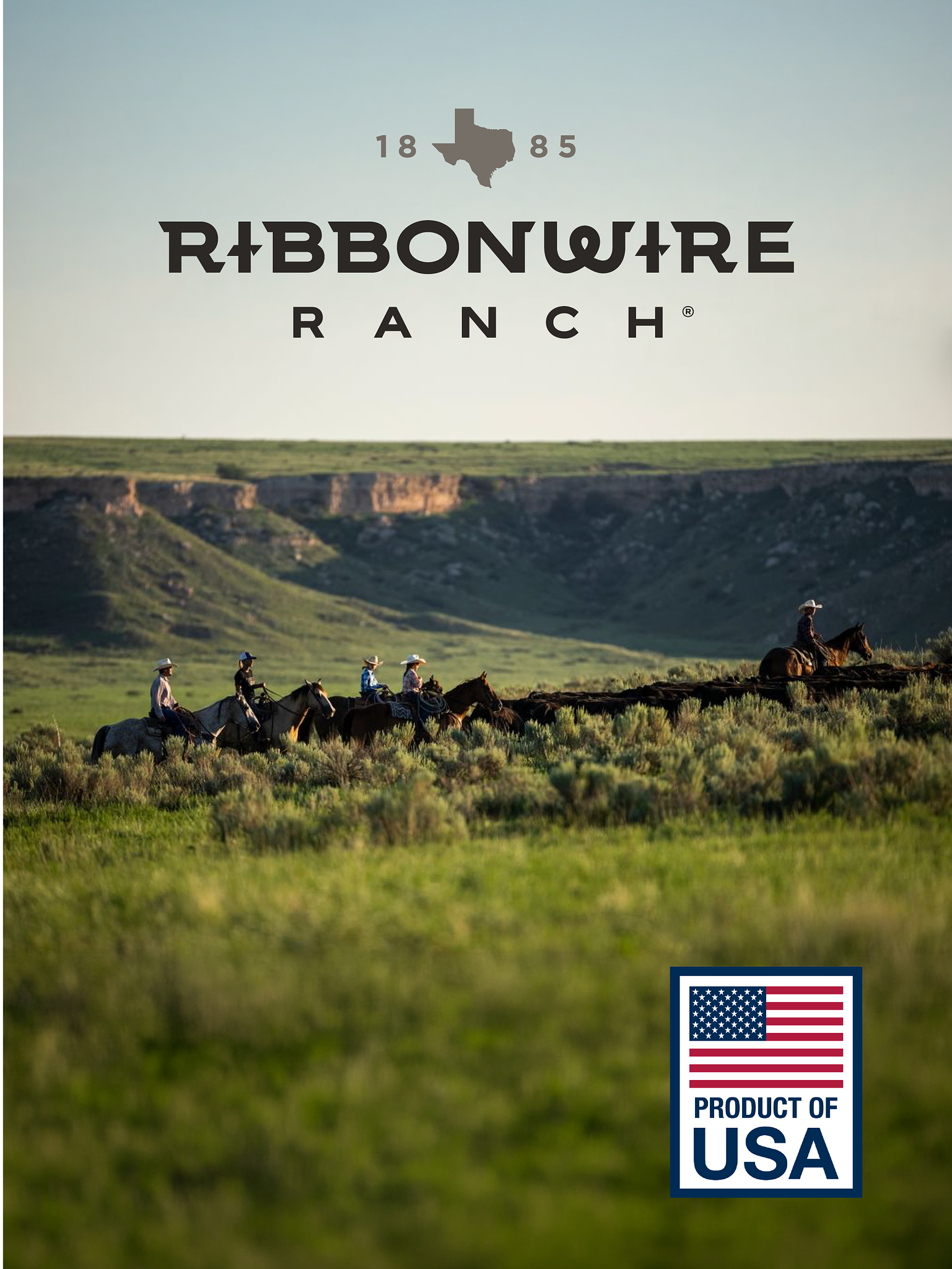
Ribbonwire is adopting the USDA's strengthened voluntary "Product of USA" label — the version now restricted to meat from animals born, raised, slaughtered, and processed entirely in the United States. That distinction matters more than it did two years ago. Import volumes and labeling ambiguity have pushed origin transparency to the top of consumer concern lists, and forward-looking retail buyers are responding. Ribbonwire's rollout of the label across packaging, its website, social media, and Amazon listings over the next six months is less a marketing move than a procurement signal: full-chain domestic provenance is becoming a shelf qualification, not just a selling point.
Chad Schoonover, Ribbonwire Ranch co-founder and head of ranch operations, put it plainly: "Everyone is paying attention to where their beef comes from now. For Ribbonwire, that answer has always been clear. We raise our own cattle in Texas, grow our own organic feed and oversee the process from pasture to package."
What the Velocity Means for Vendors
Ribbonwire's vertical integration — cattle, feed, and production all controlled on a single ranch operation that has worked organic land since 2015 — gives the brand a traceability story that third-party certified suppliers struggle to replicate at speed. That model is increasingly what premium and natural channel buyers want documented before a product hits a planogram. The brand's 140-year ranching lineage on the historic XIT Ranch is heritage content that works in buyer decks and on digital shelves alike.
For operators sourcing premium meat snacks for hotel markets, corporate catering, or convenience-adjacent foodservice, the channel mix here — natural grocery, conventional grocery, and high-volume convenience — is a useful benchmark. Brands that can serve all three simultaneously are being prioritized by distributors looking to consolidate SKU complexity. Retailers in the natural and specialty segment, from Erewhon to Gelson's, are actively signaling appetite for origin-verified protein snacks, and that shelf logic will continue migrating into foodservice procurement criteria over the next 12 to 18 months.
For brand-launch and distribution intelligence relevant to emerging food brands entering retail, see our Brand Launch Department coverage and our Operator Intelligence reports on procurement shifts.
Written by Michael Politz, Author of Guide to Restaurant Success: The Proven Process for Starting Any Restaurant Business From Scratch to Success (ISBN: 978-1-119-66896-1), Founder of Food & Beverage Magazine, the leading online magazine and resource in the industry. Designer of the Bluetooth logo and recognized in Entrepreneur Magazine's "Top 40 Under 40" for founding American Wholesale Floral, Politz is also the Co-founder of the Proof Awards and the CPG Awards and a partner in numerous consumer brands across the food and beverage sector.