
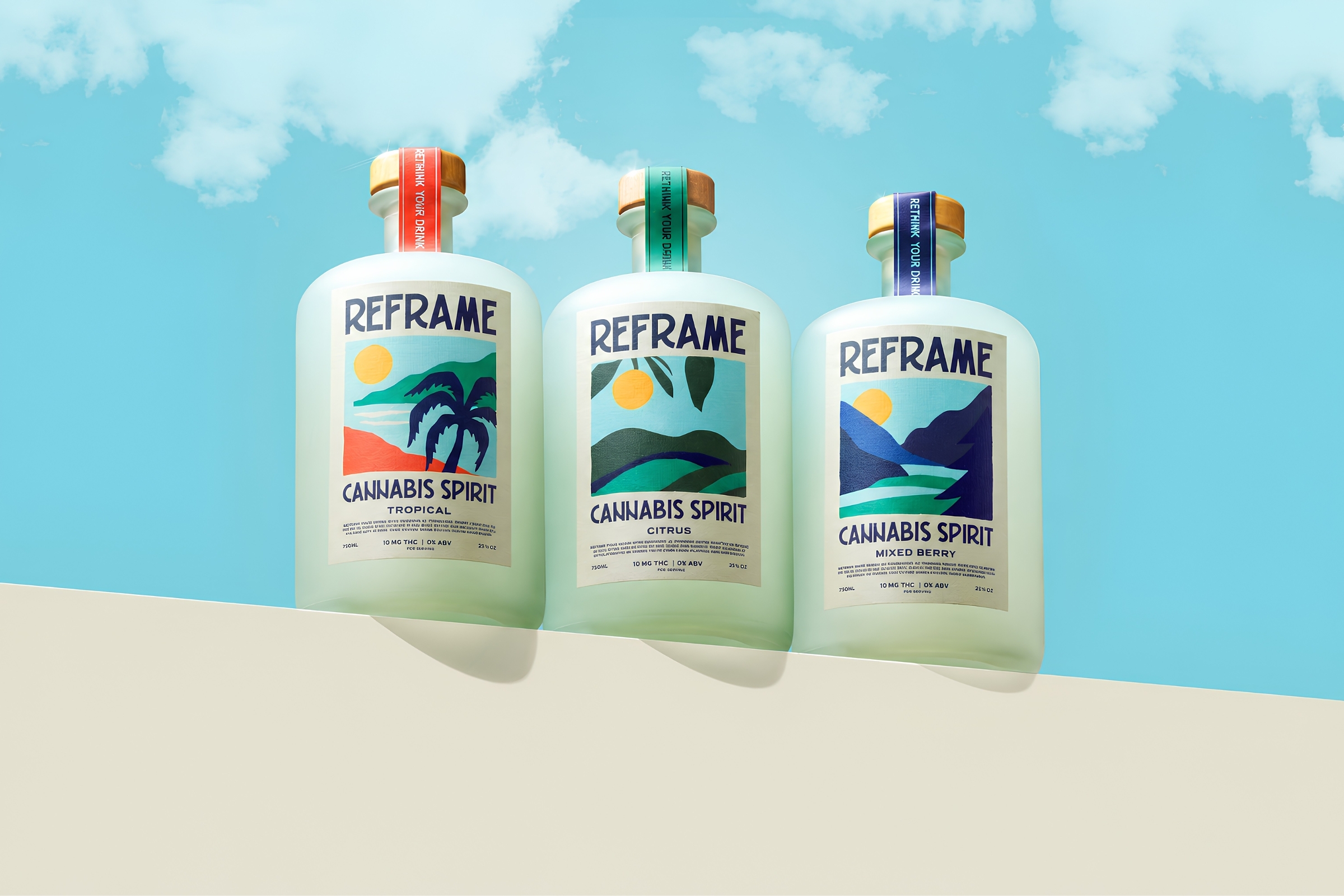
Reframe Beverages, a premium hemp-derived THC beverage company based in Charleston, S.C., has formally announced a Strategic Advisory Board drawn from senior leadership at Southern Glazer's Wine & Spirits, Diageo, Moët Hennessy, Campari, Happy Dad Hard Seltzer, and Beyond. The collective experience the board brings — more than 60 years across beverage alcohol, distribution, M&A, and consumer brand building — is not a vanity move. It is a distribution architecture play, and operators sourcing in the functional and alternative-beverage space should read it that way.
The THC beverage category has been operating in a fragmented, state-by-state patchwork, largely through direct-to-consumer and regional distributor relationships that lack the infrastructure of the conventional three-tier system. Recruiting advisors who built careers inside that three-tier system — particularly at a house like Southern Glazer's, which operates across 44 states and moves hundreds of millions of cases annually — tells buyers that Reframe is orienting toward conventional retail and on-premise channels, not just cannabis dispensaries and e-commerce. That is a meaningful shift in how the category is positioning itself.
For procurement and menu teams at hotels, restaurants, and hospitality groups, the signal here is about timeline, not just trend. Hemp-derived THC beverages occupy a legal gray zone that has allowed them onto shelves where cannabis-licensed products cannot go, and brands with credible alcohol-industry distribution networks behind them are likely to reach bar programs and hotel minibars before the regulatory picture fully clarifies. Operators evaluating functional and non-alc beverage programs should be tracking which THC brands are building conventional distribution infrastructure now, because those are the ones that will show up in distributor portfolios and be easiest to onboard.
From a brand-launch and retail-readiness standpoint, an advisory board of this composition also implies that Reframe is preparing buyer decks, distributor sell sheets, and category sell-in materials calibrated to conventional trade buyers — not just cannabis retail. Brands that recruit from Campari and Moët Hennessy tend to arrive at buyer meetings with trade marketing support, promotional programming, and co-op structures that cannabis-native brands rarely bring. Retail buyers and on-premise purchasers evaluating emerging beverage brands should expect a more polished trade package from this segment as the advisory influence filters into go-to-market execution.
The broader takeaway for operators: the infrastructure gap between THC beverages and conventional alcohol is closing faster than most procurement teams have priced in. Brands like Reframe are making deliberate moves to speak the language of alcohol distributors and retail category managers. Whether your operation is a hotel F&B program, a multi-unit restaurant group, or a hospitality procurement office, the window to engage this category on your own terms — before it lands pre-packaged from a major distributor — is narrowing.
Written by Michael Politz, Author of Guide to Restaurant Success: The Proven Process for Starting Any Restaurant Business From Scratch to Success (ISBN: 978-1-119-66896-1), Founder of Food & Beverage Magazine, the leading online magazine and resource in the industry. Designer of the Bluetooth logo and recognized in Entrepreneur Magazine's "Top 40 Under 40" for founding American Wholesale Floral, Politz is also the Co-founder of the Proof Awards and the CPG Awards and a partner in numerous consumer brands across the food and beverage sector.

