The Transaction
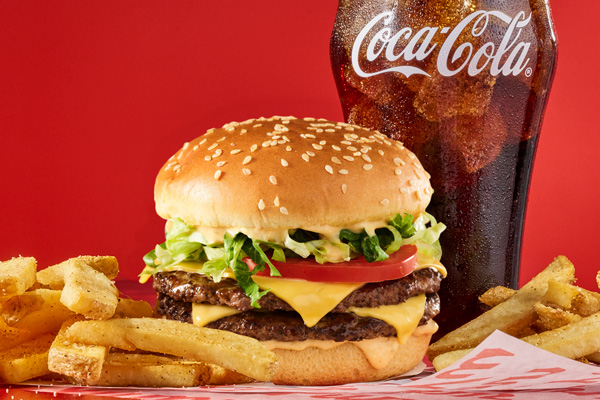
Red Robin Gourmet Burgers, Inc. (NASDAQ: RRGB) has closed the bulk of its previously announced refranchising program, selling 108 company-owned restaurants to three separate franchise groups for $89.4 million in gross proceeds. Eight additional units are expected to close before the end of fiscal year 2026, bringing total proceeds to approximately $96 million from the sale of 116 restaurants. The Company intends to apply net proceeds directly to debt paydown and refinancing priorities outlined in its First Choice Plan.
The three acquiring operators carved the portfolio along regional lines. Op Burgers, LLC — a portfolio company of private investment firm Alexandrite Management — is taking 69 restaurants across Kentucky, Indiana, Maryland, Ohio, North Carolina, Pennsylvania, South Carolina, and Virginia for $62.5 million, making it the largest single buyer. Kuber Oregon, LLC and Kuber Washington, LLC acquired 17 Pacific Northwest units for $10 million. Evergreen Dining LLC, a Washington State entity backed by principals with nearly three decades of multi-unit franchise experience, acquired 30 locations in Washington and Western Idaho for $23.5 million.
What This Signals
For operators and vendor partners tracking casual dining's structural shift, this transaction is less about one brand's distress and more about the broader refranchising playbook accelerating across the segment. Casual dining chains have been shedding company-operated units at a measured pace for years, but the velocity here — 116 restaurants across three deals in roughly three months — reflects urgency around balance-sheet repair that peers should benchmark against their own leverage ratios. Red Robin's move mirrors strategies previously executed by Dine Brands and Bloomin' Brands, where stripping owned real estate risk from the corporate P&L is paired with reinvestment in technology and guest experience at the remaining corporate locations.
Dave Pace, President and CEO of Red Robin, framed the transactions as a foundation for refinancing flexibility: the brand plans to reinvest in restaurants and technologies as part of its ongoing guest-experience initiatives. That technology reinvestment language is worth noting — operators watching AI-driven ordering, loyalty, and kitchen management rollouts across the casual dining tier should expect Red Robin's leaner post-refranchise structure to accelerate those capital allocations toward its remaining corporate footprint.
What Operators Should Watch
For multi-unit franchise operators evaluating acquisition targets, this deal illustrates current franchise market pricing dynamics in casual dining — approximately $827,000 per unit on average across the full 116-restaurant portfolio, a figure that reflects both the brand's near-500-location scale and the negotiating leverage of experienced buyers. Vendors and suppliers serving these markets should initiate contact with Op Burgers, Kuber, and Evergreen Dining directly, as new franchise groups often re-evaluate incumbent supplier relationships within the first 90 days of operation.
From a procurement and growth-marketing standpoint, three newly independent franchise groups operating under a legacy brand create distinct local-marketing autonomy that didn't exist under corporate ownership. Regional agencies, geo-fencing vendors, and local digital-media buyers have an opening to pitch market-specific programs to operators who now control their own budgets. Understanding how franchise groups structure local media spend and what procurement shifts follow major refranchising events is the practical due diligence for anyone serving this segment.
Written by Michael Politz, Author of Guide to Restaurant Success: The Proven Process for Starting Any Restaurant Business From Scratch to Success (ISBN: 978-1-119-66896-1), Founder of Food & Beverage Magazine, the leading online magazine and resource in the industry. Designer of the Bluetooth logo and recognized in Entrepreneur Magazine's "Top 40 Under 40" for founding American Wholesale Floral, Politz is also the Co-founder of the Proof Awards and the CPG Awards and a partner in numerous consumer brands across the food and beverage sector.