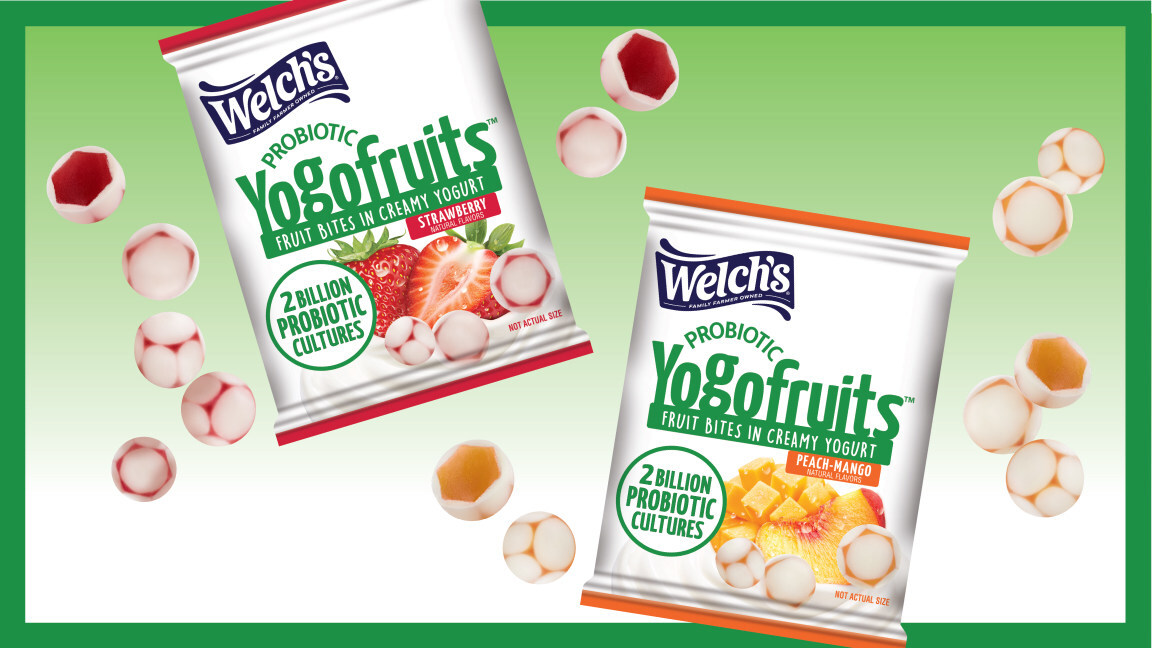
PIM Brands is launching Welch's® Probiotic Yogofruits™, a yogurt-covered whole fruit bite positioned around digestive wellness, marking the company's most overt push into functional snacking to date. For retail buyers, foodservice distributors, and brand managers watching the better-for-you corridor, this launch is worth tracking — not because probiotics are new, but because a legacy licensed snack brand with Welch's equity is now anchoring a SKU around gut health rather than just taste or convenience.
The functional snack segment has moved from specialty shelves to center-store in roughly 36 months. Brands that once led with "no artificial colors" or "made with real fruit" are now expected to deliver a second layer of benefit — immunity, digestion, energy, or cognition. PIM's timing aligns with a broader trade pattern: major club, mass, and grocery buyers have been requesting function-forward callouts at the item level, not just at the brand level. A probiotic claim on a Welch's-licensed product gives retail buyers a shelf story that speaks to both family familiarity and wellness incrementality.
For operators in grab-and-go, hospitality retail, or convenience-adjacent foodservice — think hotel markets, airport concessions, hospital cafés — the Yogofruits launch is a procurement signal. SKUs with a probiotic claim now carry a second merchandising argument: they sit comfortably in both the snack set and the wellness or "better choice" set, effectively doubling placement opportunity without requiring a separate vendor relationship. Distributors who have been slow to build a functional snack assortment may find that a recognizable licensed brand reduces the buyer education burden considerably. Watch for this to show up in planogram conversations at regional grocery and convenience chains through Q3 2026.
From a brand-launch and licensing standpoint, PIM's move also reinforces that the Welch's fruit snack license continues to have meaningful extension runway. Rather than launching a net-new brand into a crowded functional snack market, PIM is leveraging established retail trust and parent recognition to de-risk a higher-function claim. That's a disciplined brand architecture decision — and one that agency and broker partners pitching functional snack clients should study. The cost of consumer education drops sharply when the base brand already owns fruit-forward credibility. Operators evaluating private-label snack development or retail distribution introductions should note how borrowed equity accelerates category entry.
Written by Michael Politz, Author of Guide to Restaurant Success: The Proven Process for Starting Any Restaurant Business From Scratch to Success (ISBN: 978-1-119-66896-1), Founder of Food & Beverage Magazine, the leading online magazine and resource in the industry. Designer of the Bluetooth logo and recognized in Entrepreneur Magazine's "Top 40 Under 40" for founding American Wholesale Floral, Politz is also the Co-founder of the Proof Awards and the CPG Awards and a partner in numerous consumer brands across the food and beverage sector.