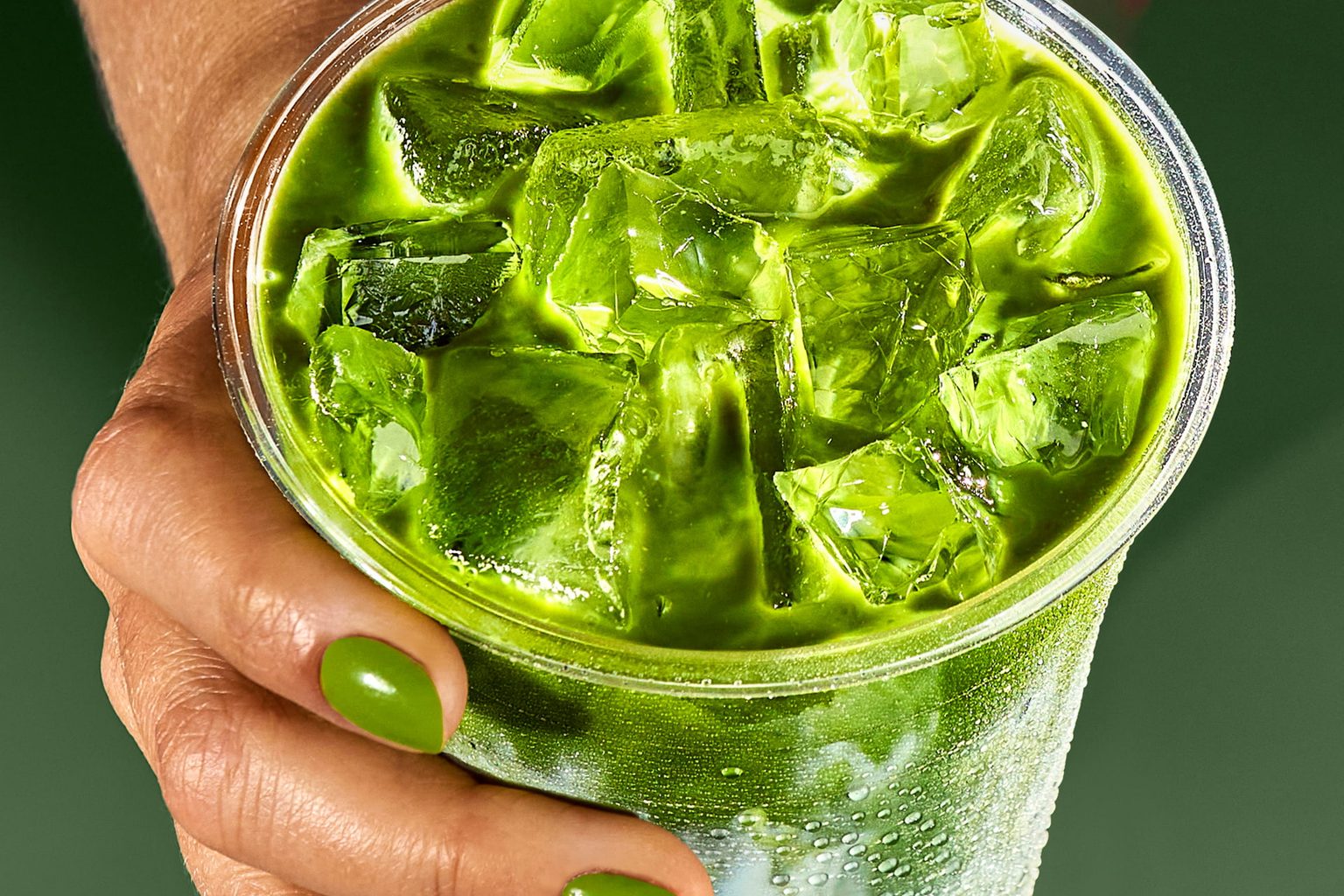
Philz Coffee is moving into matcha, launching four iced handcrafted drinks across its 80-plus California and Chicago locations. The menu is available in-store and through the Philz app, home to its recently launched Philz Rewards loyalty program — and the timing is not accidental.
Andy Mai, Chief Business Officer at Philz Coffee, cited direct customer feedback as the strategic driver. The brand's top two loyalty requests over the years were a rewards program and matcha — the company addressed both in sequence, with rewards launching first and matcha following. That kind of demand-signal sequencing, using loyalty data to validate and prioritize category expansion, is a model increasingly accessible to operators running modern POS and CRM stacks.
The Product Mechanics
All four drinks are 16-ounce iced format only, built on matcha sourced from Uji, Japan — a sourcing detail that carries real menu-marketing weight given Uji's reputation as a premier growing region. The lineup runs from a straightforward Iced Matcha at $6.50 to three flavored builds — Strawberry Matcha, Strawberry Mint Matcha, and Salted Caramel Matcha — each priced at $7.50. Oat milk is the default, with 2% available at no upcharge. Customization extends to sweetness level, consistent with Philz's barista-led, made-to-order service model.
The price architecture is noteworthy. At $7.50 for flavored builds, Philz is positioning its matcha at the upper tier of the specialty café segment — above most regional chain matcha pricing and in line with premium independents. Operators considering matcha menu additions should note that the combination of a credentialed ingredient origin story (Uji sourcing) and labor-forward customization is how the brand justifies that price point without promotional discounting.
What This Signals for Operators
Matcha's trajectory in foodservice has been building for several years, driven by Gen Z and millennial demand for non-coffee caffeine options and the category's strong visual appeal on social platforms. For specialty coffee operators, the category presents both an opportunity and an execution challenge: matcha preparation is technique-sensitive, and sourcing quality varies widely. Philz's decision to standardize on a single origin and build around barista customization — rather than a grab-and-go or bottled format — signals confidence that its service model can carry the category.
The loyalty program integration also matters for operators benchmarking their own tech stack decisions. Philz used its rewards platform as both a demand-research tool and a launch channel, a use case that reinforces the ROI argument for operators still evaluating whether to invest in loyalty infrastructure. For more on how hospitality brands are using loyalty data to guide menu strategy, see our coverage in Operator Intelligence and our roundup of restaurant tech and POS trends.
For food and beverage suppliers and distributors, the Philz matcha launch is a signal that mid-size specialty chains — not just large QSR groups — are now actively entering the matcha category with full menu commitment rather than limited-time-offer testing. Vendors in the matcha supply chain, oat milk distribution, and beverage customization equipment should expect accelerating RFP activity from similar operators in the next 12 to 18 months.
Written by Michael Politz, Author of Guide to Restaurant Success: The Proven Process for Starting Any Restaurant Business From Scratch to Success (ISBN: 978-1-119-66896-1), Founder of Food & Beverage Magazine, the leading online magazine and resource in the industry. Designer of the Bluetooth logo and recognized in Entrepreneur Magazine's "Top 40 Under 40" for founding American Wholesale Floral, Politz is also the Co-founder of the Proof Awards and the CPG Awards and a partner in numerous consumer brands across the food and beverage sector.