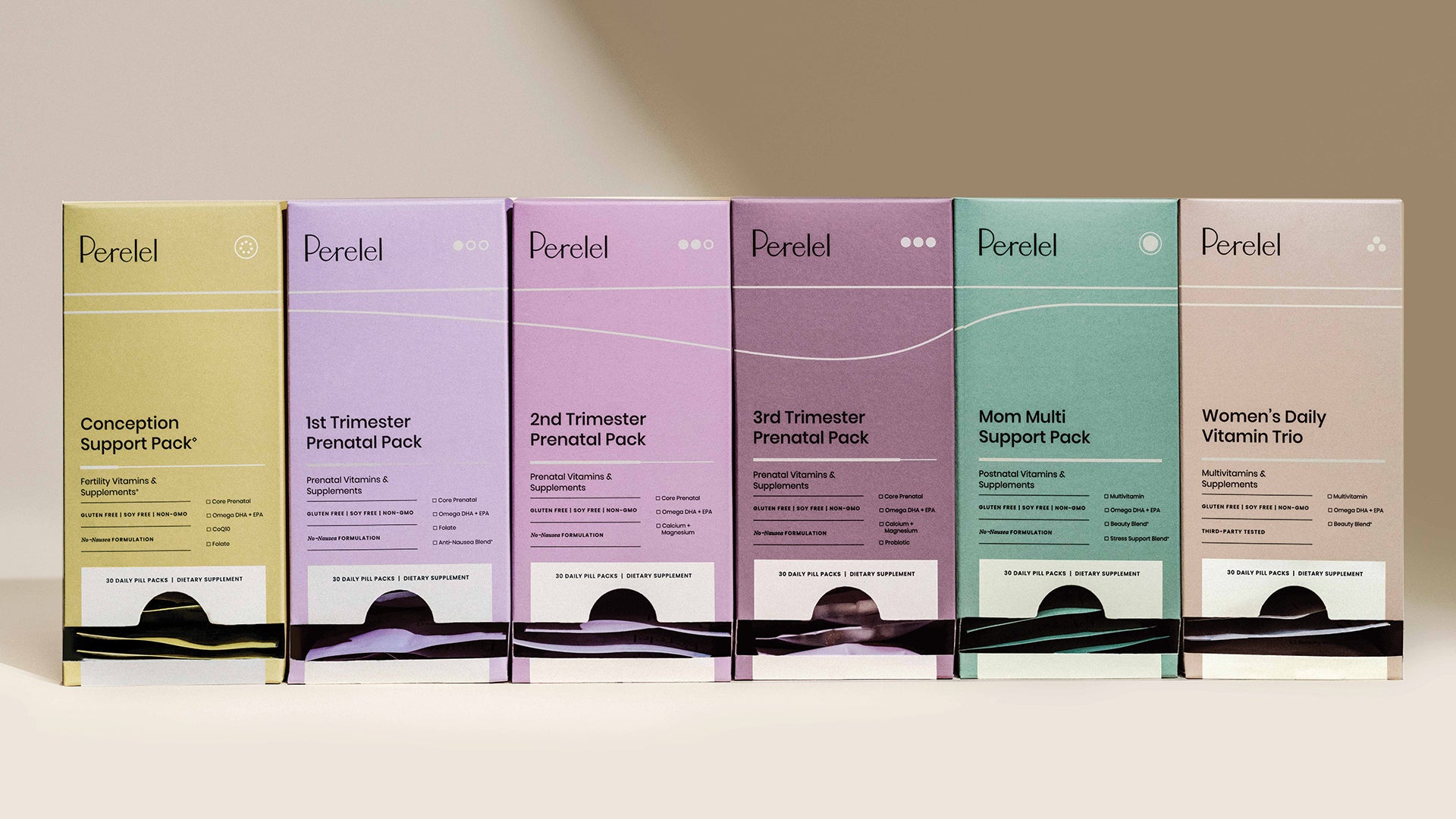
OB/GYN-founded women's health brand Perelel has secured its first national café partnership, placing its Triple-Support Protein across more than 65 Bluestone Lane locations beginning September 10. The year-long deal structures around three seasonal product drops, with 30-plus community events planned through fall — a distribution model that blends functional-nutrition retail with experiential programming inside specialty coffee venues.
Why Cafés, Why Now
The move reflects a broader shift in how functional supplement brands are reaching consumers: less shelf placement, more ritual integration. Specialty coffee has become a reliable daily touchpoint for the demographic Perelel targets — women across preconception, pregnancy, and perimenopause stages — making café partnerships a more direct path to trial than conventional retail endcaps or e-commerce cold traffic. Bluestone Lane's Australian-inspired positioning and health-conscious all-day menu make it a credibility-aligned vehicle rather than a transactional placement.
Perelel's Triple-Support Protein delivers 20g of plant-based protein, 3g of creatine monohydrate, and 5g of low-FODMAP prebiotic fiber per serving. A randomized, double-blind, placebo-controlled trial showed statistically meaningful improvements in blood sugar stability, cholesterol metabolism, memory support, and satiety over four weeks — the kind of clinical documentation that increasingly separates premium functional SKUs from commodity protein powders on a buyer's desk.
Seasonal Drops as a Launch Framework
The partnership debuts with a Pumpkin Chai collection — a smoothie and coffee lineup that slots into fall's highest-volume seasonal window without relying on it. Structuring the partnership around three seasonal campaigns through 2027 gives both brands planned media beats, reorder cycles, and event hooks rather than a single launch moment that fades. For operators watching how supplement brands enter foodservice, this tiered-activation model is worth tracking: it spreads risk, sustains consumer attention, and gives café staff a recurring reason to engage with the product.
Victoria Thain Gioia, CEO and Co-Founder of Perelel, described the deal as making evidence-backed nutrition part of consumers' daily rituals. Andrew Stone, Chief Brand & Culture Officer of Bluestone Lane, noted the partnership represents the brand's first foray into protein-enhanced coffee — a category that specialty independents have largely ceded to QSR chains and grocery grab-and-go sets.
For food and beverage operators and brand launch teams, the Perelel-Bluestone Lane structure offers a replicable template: clinical validation as the trade story, a flagship seasonal SKU as the consumer hook, and community events as the retention layer. Brands entering the functional-beverage space through foodservice channels — rather than leading with DTC or big-box retail — will find this partnership a useful benchmark for brand launch strategy and operator intelligence planning.
Distribution through café networks also sidesteps some of the margin compression and promotional velocity requirements that haunt supplement brands in conventional grocery. For procurement teams evaluating functional-ingredient suppliers, the clinical rigor behind Perelel's formula is now visible at point of consumption — a meaningful difference from a brand that lives only on a product detail page.
Written by Michael Politz, Author of Guide to Restaurant Success: The Proven Process for Starting Any Restaurant Business From Scratch to Success (ISBN: 978-1-119-66896-1), Founder of Food & Beverage Magazine, the leading online magazine and resource in the industry. Designer of the Bluetooth logo and recognized in Entrepreneur Magazine's "Top 40 Under 40" for founding American Wholesale Floral, Politz is also the Co-founder of the Proof Awards and the CPG Awards and a partner in numerous consumer brands across the food and beverage sector.