A Healthcare CEO at the F&B Table
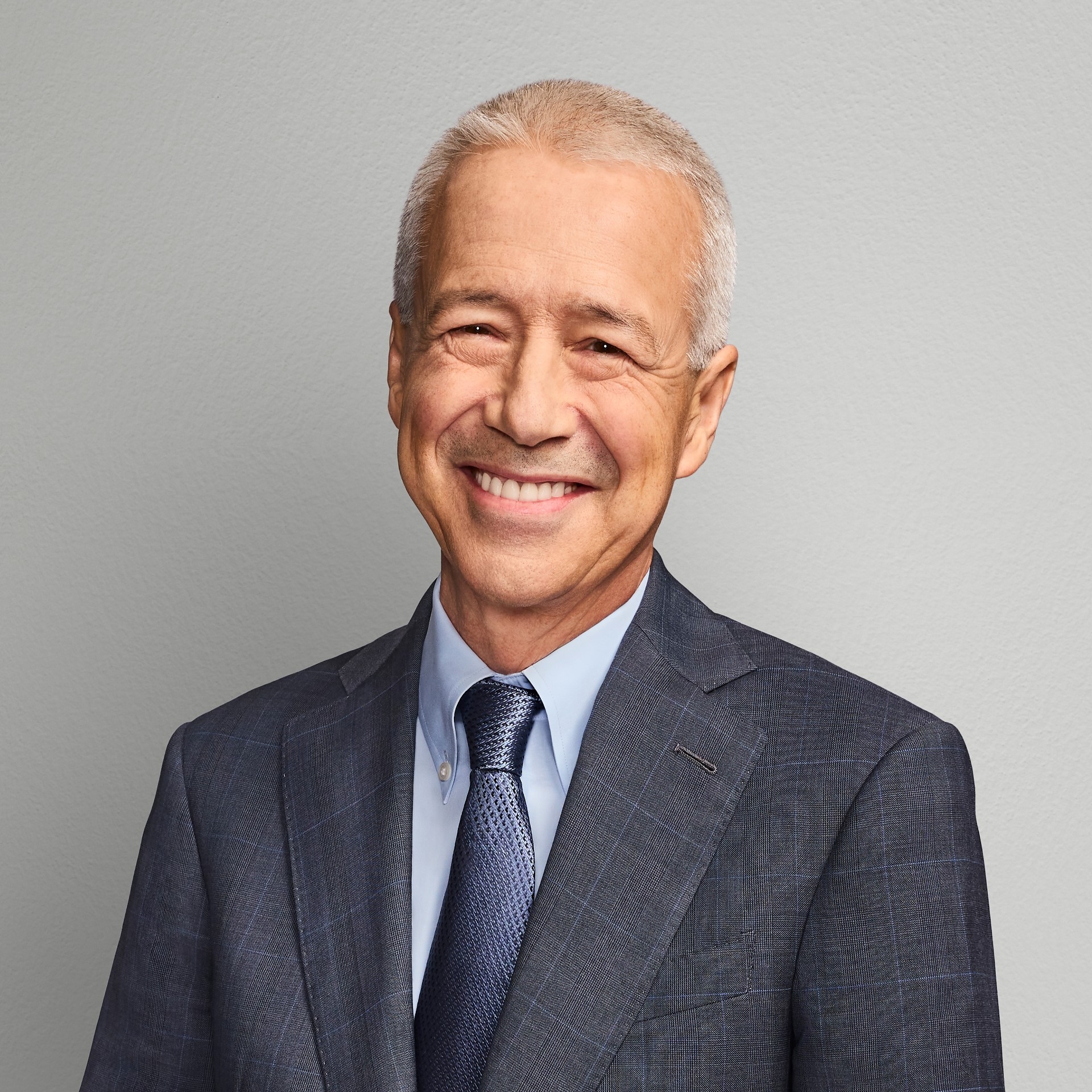
PepsiCo is bringing Joaquin Duato, Chairman and Chief Executive Officer of Johnson & Johnson, onto its Board of Directors, effective December 1, 2026. Duato will serve as an independent board member and join the Audit Committee — a placement that signals governance priorities as much as strategic ones. For operators and brand partners tracking how PepsiCo allocates resources and prioritizes its portfolio, the appointment is worth reading carefully.
Duato, 64, has led Johnson & Johnson since 2022 and assumed the chairmanship in 2023. Before that, he served as Vice Chairman of J&J's Executive Committee and spent seven years as Worldwide Chairman of Pharmaceuticals. His career at J&J spans more than three decades, crossing pharmaceuticals, consumer health, and technology — sectors defined by regulatory complexity, pipeline management, and long-horizon capital allocation.
What the Audit Committee Seat Tells You
Board composition at a company generating nearly $94 billion in net revenue in 2025 is not incidental. Placing Duato on the Audit Committee — rather than, say, a compensation or innovation committee — points to risk oversight and financial governance as the immediate mandate. PepsiCo Chairman and CEO Ramon Laguarta framed the hire around "portfolio evolution," "growth investment," and strengthening PepsiCo's position as a global convenient food and beverage leader, language that tracks with the company's ongoing work to rationalize brands and respond to shifting consumer demand across snacks and beverages.
Robert C. Pohlad, Chair of PepsiCo's Nominating and Corporate Governance Committee, specifically cited Duato's experience in "highly regulated and rapidly evolving markets" and his record in "research-based innovation and portfolio management." For operators and brand launch teams that work within PepsiCo's distribution and co-manufacturing ecosystem, this framing suggests the company is sharpening its internal standards for what gets prioritized — and what gets cut.
Signals for the Broader Operator Landscape
Large CPG board moves rarely translate directly to operator-level decisions in the short term, but they do reflect where senior leadership believes the company needs to strengthen its oversight infrastructure. PepsiCo's portfolio — Lay's, Doritos, Gatorade, Quaker, SodaStream, and brands each generating more than $1 billion in estimated annual retail sales — is under the same margin and velocity pressure that foodservice and retail operators feel downstream.
For suppliers, distributors, and brand partners navigating procurement shifts, the implicit message is that PepsiCo is building governance muscle around complexity: multi-geography operations, innovation risk, and resilience under regulatory and market pressure. Duato's background in managing a global organization through product recalls, regulatory cycles, and portfolio divestitures makes him a credible resource for exactly that kind of stress-testing.
Operators who source PepsiCo products or compete in adjacent snack and beverage categories should track how this board evolution shapes the company's near-term portfolio prioritization — specifically which brands receive accelerated investment and which face rationalization as PepsiCo continues executing its pep+ strategic transformation.
Written by Michael Politz, Author of Guide to Restaurant Success: The Proven Process for Starting Any Restaurant Business From Scratch to Success (ISBN: 978-1-119-66896-1), Founder of Food & Beverage Magazine, the leading online magazine and resource in the industry. Designer of the Bluetooth logo and recognized in Entrepreneur Magazine's "Top 40 Under 40" for founding American Wholesale Floral, Politz is also the Co-founder of the Proof Awards and the CPG Awards and a partner in numerous consumer brands across the food and beverage sector.