P.F. Chang's is running a premium protein experiment this fall. The chain launched "Autumn in Kyoto" on September 16, 2026, a limited-time menu anchored by two new duck preparations and a Wagyu beef egg roll, available at participating locations nationwide through November 3. For operators tracking casual-dining menu strategy, the move is worth noting: duck and Wagyu are ingredients more commonly found on independent fine-dining menus, and their appearance inside a 300-plus-unit chain signals a broadening of what full-service casual operators believe their guests will order and pay for.
What's on the Menu
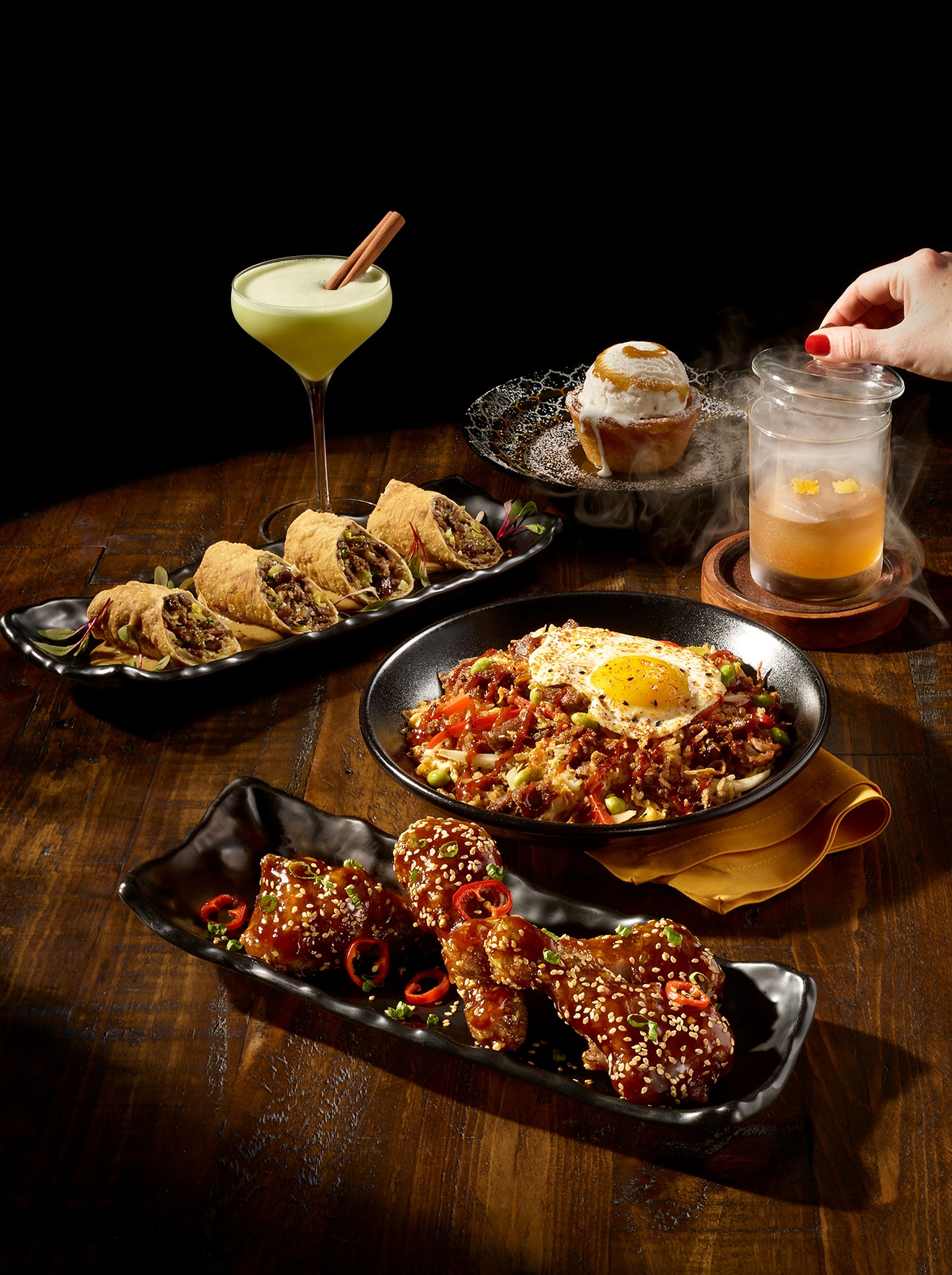
The new duck lineup includes Duck Wings tossed in teriyaki sauce with toasted sesame, Fresno peppers, and scallions — a format that maps directly onto the proven shareable-appetizer playbook — and Duck Fried Rice built with shredded duck, edamame, kimchi, chili jam, chili-spiced butter, and a fried egg. The Wagyu Egg Rolls pair Wagyu beef with black pepper, garlic, ginger, and julienned vegetables, finished with black garlic aioli. The Sushi Boat, already a proven traffic driver, returns as a shareable centerpiece. Steve Solis, VP of Culinary at P.F. Chang's, framed the approach as applying unexpected seasonal pairings to familiar format items — a lower-risk way to introduce premium proteins to a broad, price-sensitive audience.
Beverage and Brand Partnerships
On the beverage side, P.F. Chang's is among the first national restaurant brands to feature YOSHI Matcha Liqueur, which bills itself as the first matcha liqueur to market, crafted with ceremonial-grade matcha. The resulting Matcha Martini blends YOSHI with RumChata and cream of coconut. The bar menu also adds the Kyoto Cabin, a Woodford Reserve Bourbon build with black tea, maple, lemon, and a nutmeg finish. For beverage directors and bar consultants, this partnership is a useful benchmark: a first-to-market spirits SKU gaining its national restaurant debut inside a legacy casual-dining brand is an accelerated path to on-premise visibility that emerging spirits brands should study carefully.
What This Signals for Operators
The broader pattern here is that casual-dining chains are compressing the gap between their menus and the ingredient vocabulary of fast-casual and independent operators. Duck has long been the domain of chef-driven concepts; its appearance in a teriyaki wing format at a 300-unit chain suggests the protein is approaching a tipping point for mainstream foodservice adoption. Procurement teams sourcing duck or Wagyu for independent or regional concepts may see supply and pricing pressure as larger operators scale their own demand.
The campaign also pairs its menu launch with a charitable component — a round-up program and limited-edition plush benefiting Starlight Children's Foundation — which is increasingly standard practice for fall LTO activations at national chains. Operators looking at how to structure seasonal promotions with purpose-driven marketing can use this as a current-market reference point.
For brands considering premium protein positioning, the key takeaway from P.F. Chang's approach is format familiarity: duck lands in a wing, Wagyu lands in an egg roll. Both formats are already understood and ordered by the guest. The ingredient does the heavy lifting on perceived value without requiring the operator to educate the table on an unfamiliar eating occasion. That's a scalable model worth borrowing, particularly for multi-unit operators looking to elevate check average without a full menu overhaul.
Written by Michael Politz, Author of Guide to Restaurant Success: The Proven Process for Starting Any Restaurant Business From Scratch to Success (ISBN: 978-1-119-66896-1), Founder of Food & Beverage Magazine, the leading online magazine and resource in the industry. Designer of the Bluetooth logo and recognized in Entrepreneur Magazine's "Top 40 Under 40" for founding American Wholesale Floral, Politz is also the Co-founder of the Proof Awards and the CPG Awards and a partner in numerous consumer brands across the food and beverage sector.