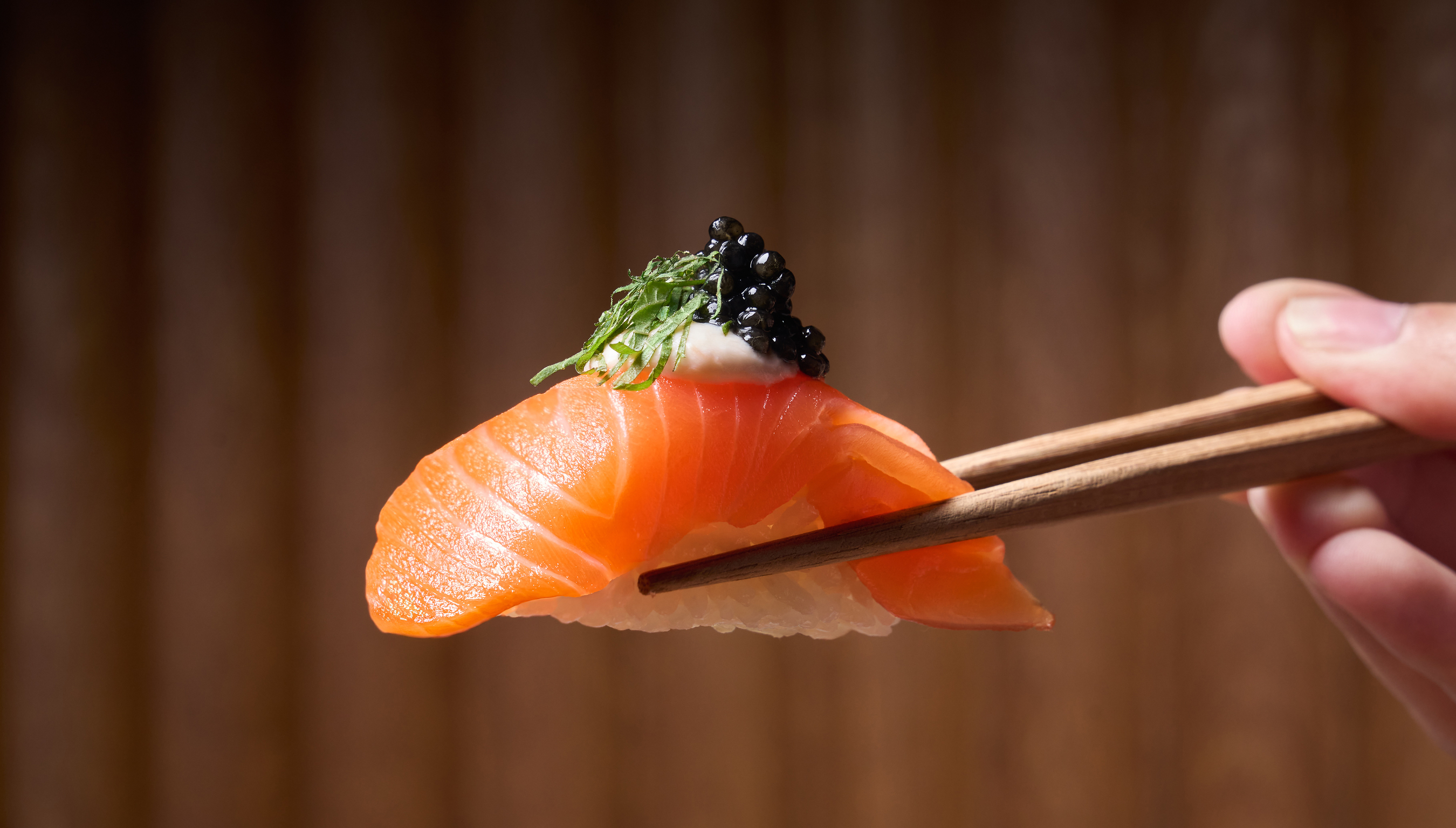
Miami-born OMAKAI is making its most aggressive growth move since launching in Wynwood in 2019, announcing two Chicago locations, a first Orlando outpost, and two additional Miami-area units — all slated to open before year-end or shortly after. For operators watching how emerging regional concepts scale, this is a useful case study in dual-format expansion: OMAKAI is running a full sushi bar concept alongside a leaner hand roll bar format, letting it fill different real estate footprints in the same market.
The Chicago Footprint
The Fulton Market unit at 951 W Fulton Market will seat 66 guests on the main floor and include a basement bar — a build-out configuration that signals both lunch-service volume and an evening bar revenue layer. The River North hand roll bar at 507 N Wells Street seats 30 at the counter, a lower-build-cost format that also travels more easily to new neighborhoods. Both locations will offer lunch, happy hour, and dinner service, and will carry the brand's 'Homeakase' takeout sushi boxes available via UberEats — a channel that extends revenue without adding covers.
Fulton Market is one of Chicago's highest-velocity dining corridors, drawing both the weekday expense-account crowd and destination diners. Placing the flagship format there, while seeding the hand roll bar in the denser, higher-traffic River North, is a deliberate two-speed approach to building brand recognition in a new city simultaneously at two price-point tolerances.
What This Signals for Operators
OMAKAI's growth arc — Wynwood to Coconut Grove, Doral, Aventura, Downtown Miami, and now Chicago and Orlando — follows a pattern increasingly common among accessible premium concepts: prove density in a home market, then use that proof of concept to enter a major out-of-state market with multiple units rather than a single test location. Opening two formats simultaneously in Chicago rather than one conservative pilot reduces the timeline to brand recognition and signals confidence in unit economics.
The accessible omakase category is crowded with ambition but thin on operators who have successfully exported the format beyond their home city. Competitors in the hand roll bar space — a format that has surged in popularity across coastal markets — are watching how OMAKAI's dual-concept playbook performs in a Midwest market with different consumer habits and labor dynamics than South Florida. Chicago's restaurant labor market and lease costs in Fulton Market are materially different from Wynwood; operators evaluating similar moves should model those variables carefully before assuming home-market unit economics will transfer directly.
For vendors, brokers, and hospitality tech providers, a brand opening five-plus locations across two states in a single calendar year represents a procurement and systems-integration window. POS standardization, training platforms, and delivery integrations will all need to scale rapidly. OMAKAI's use of UberEats for its 'Homeakase' box program also points to a hybrid revenue model that leans on third-party delivery infrastructure rather than building proprietary channels — a pragmatic choice for a brand prioritizing speed to market.
Diego Quijada, founder and CEO of OMAKAI, framed the Chicago entry as a community-driven milestone, noting that guest support across existing locations gave the brand confidence to move into a city with genuine dining-culture gravity. That kind of loyalty-driven expansion narrative also has marketing utility: it gives the brand an authentic story to tell in a new market rather than arriving as an unknown quantity.
Operators considering their own multi-market moves should watch how OMAKAI manages format consistency — warm rice, crispy nori, and counter service are operationally specific standards — across geographically dispersed kitchens with different supplier networks. That execution challenge is where regional concepts most frequently stall. See also our coverage of emerging restaurant brand launch strategy and foodservice expansion intelligence.
Written by Michael Politz, Author of Guide to Restaurant Success: The Proven Process for Starting Any Restaurant Business From Scratch to Success (ISBN: 978-1-119-66896-1), Founder of Food & Beverage Magazine, the leading online magazine and resource in the industry. Designer of the Bluetooth logo and recognized in Entrepreneur Magazine's "Top 40 Under 40" for founding American Wholesale Floral, Politz is also the Co-founder of the Proof Awards and the CPG Awards and a partner in numerous consumer brands across the food and beverage sector.