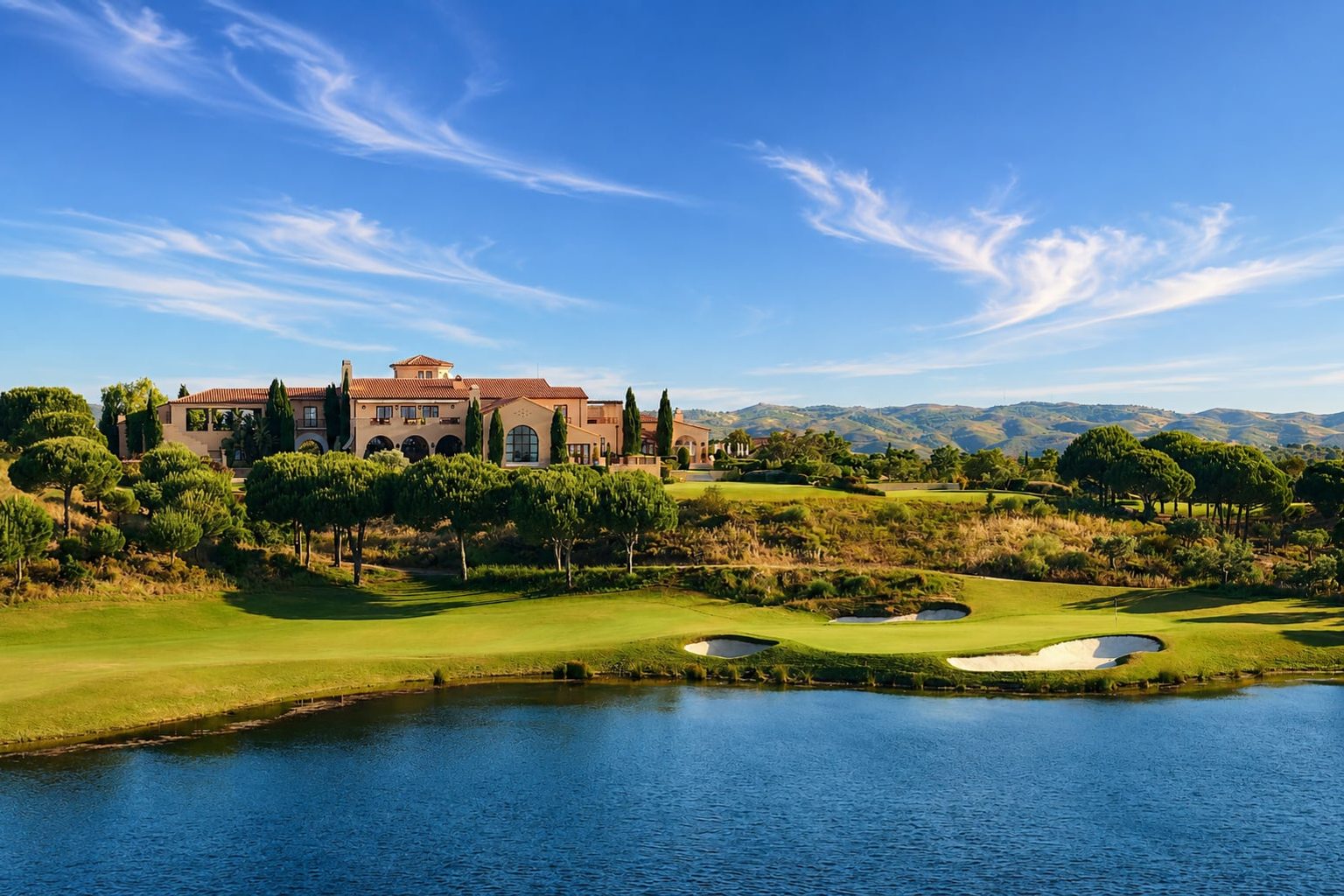
Nobu Hospitality is bringing a 100-room hotel, a signature Nobu restaurant, and 21,000 square meters of branded villas and residences to Monte Rei, the award-winning golf resort in Portugal's Eastern Algarve. Construction is scheduled to begin in 2027, with the first guests expected in 2029. The project marks Nobu's second destination in Portugal and is being developed in partnership with Portuguese asset manager Norfin.
For hospitality operators and F&B brand strategists, the announcement is worth tracking less as a real-estate story and more as a template: a globally recognized restaurant brand anchoring a broader resort ecosystem that includes residential product, leisure infrastructure, and a planned beach club. The F&B component is not an amenity — it is the narrative engine that justifies premium pricing across every other asset class on the property.
The Brand-as-Anchor Model
Nobu's approach at Monte Rei follows a pattern the brand has refined across its European portfolio. The signature restaurant functions as the destination's cultural identity, driving repeat visitation from owners and hotel guests alike while generating independent F&B revenue. For operators evaluating resort or mixed-use development, the model illustrates how a credible culinary brand can compress the time needed to establish a new property's reputation in a competitive leisure market. Design is being handled by DSA Architects alongside the Rockwell Group, a long-standing Nobu partner, which signals that interior and dining environment will be tightly integrated from the ground up rather than treated as a finish-out decision.
Trevor Horwell, CEO of Nobu Hospitality, described the Eastern Algarve setting as offering "a rare combination of natural beauty, privacy and an established reputation for exceptional golf and residential living" — framing the restaurant and hospitality programming as deeply site-specific rather than a plug-and-play brand deployment. That distinction matters to buyers and investors increasingly skeptical of luxury branding that reads as generic.
What This Signals for Operators
The Monte Rei announcement arrives as European resort markets continue to absorb post-pandemic demand shifts toward longer-stay, amenity-rich destinations. Branded residences tied to F&B identities — rather than purely to hotel flags — are a growing procurement and development category, and Nobu's move into the Algarve will put pressure on competing resort operators in Southern Europe to sharpen their own culinary programming as a differentiator.
For foodservice vendors, equipment suppliers, and F&B consultants tracking hospitality pipeline, a 2027 construction start means procurement conversations for the restaurant build-out are likely beginning now. Projects of this scale typically involve 18-to-24-month lead times on kitchen design, equipment specification, and supply-chain alignment for a signature outlet. Operators and suppliers with European resort exposure should be paying attention to the Norfin-Nobu partnership as a signal of the investment appetite currently active in the Iberian luxury market.
See also our coverage of AI procurement tools for hospitality build-outs and brand launch strategy for F&B operators entering new markets.
Written by Michael Politz, Author of Guide to Restaurant Success: The Proven Process for Starting Any Restaurant Business From Scratch to Success (ISBN: 978-1-119-66896-1), Founder of Food & Beverage Magazine, the leading online magazine and resource in the industry. Designer of the Bluetooth logo and recognized in Entrepreneur Magazine's "Top 40 Under 40" for founding American Wholesale Floral, Politz is also the Co-founder of the Proof Awards and the CPG Awards and a partner in numerous consumer brands across the food and beverage sector.