The Strategic Move
Mimi's Cafe launched its fall limited-time menu across all 38 U.S. locations this week, and the headline item isn't pumpkin spice — it's biscuits. The 46-year-old casual-dining chain is introducing a fresh-baked biscuit program that functions as a platform: a single scratch item that anchors multiple daypart SKUs, from breakfast sandwiches to a "Benedict" riff to a basket upsell and a take-out dozen. For operators, that's a menu-engineering decision worth dissecting, not just a seasonal promotion.
The biscuit platform covers a Biscuit Breakfast Sandwich (crispy bacon, scrambled egg, cheddar, chipotle mayo), two Biscuits and Gravy preparations (country herb and spicy chorizo), a Fried Chicken Biscuit "Benedict" with parmesan fried chicken and poached eggs, and a hot honey Fried Chicken Biscuit Sandwich. All items are served all day, with biscuits baked fresh in-house throughout service. That operational commitment — continuous baking across a full day — signals Mimi's is treating this as a permanent capability investment, not a one-season test.
Platform Thinking vs. Seasonal Noise
The pumpkin spice line sits alongside the biscuit program and is more conventionally seasonal: Pumpkin Spice Muffins with streusel and glaze, a shareable Pumpkin Loaf with cinnamon butter, Pumpkin Griddle Cakes with warm cinnamon apples, and a house-made pumpkin spice sauce used across both non-alcoholic lattes and cocktail applications — an Oh My Pumpkin Latte (vodka-spiked PSL) and a Pumpkin Spice Martini with vanilla vodka and cream. The sauce is made with real pumpkin and fall spices, a sourcing detail that differentiates it from syrup-based competitors on ingredient transparency.
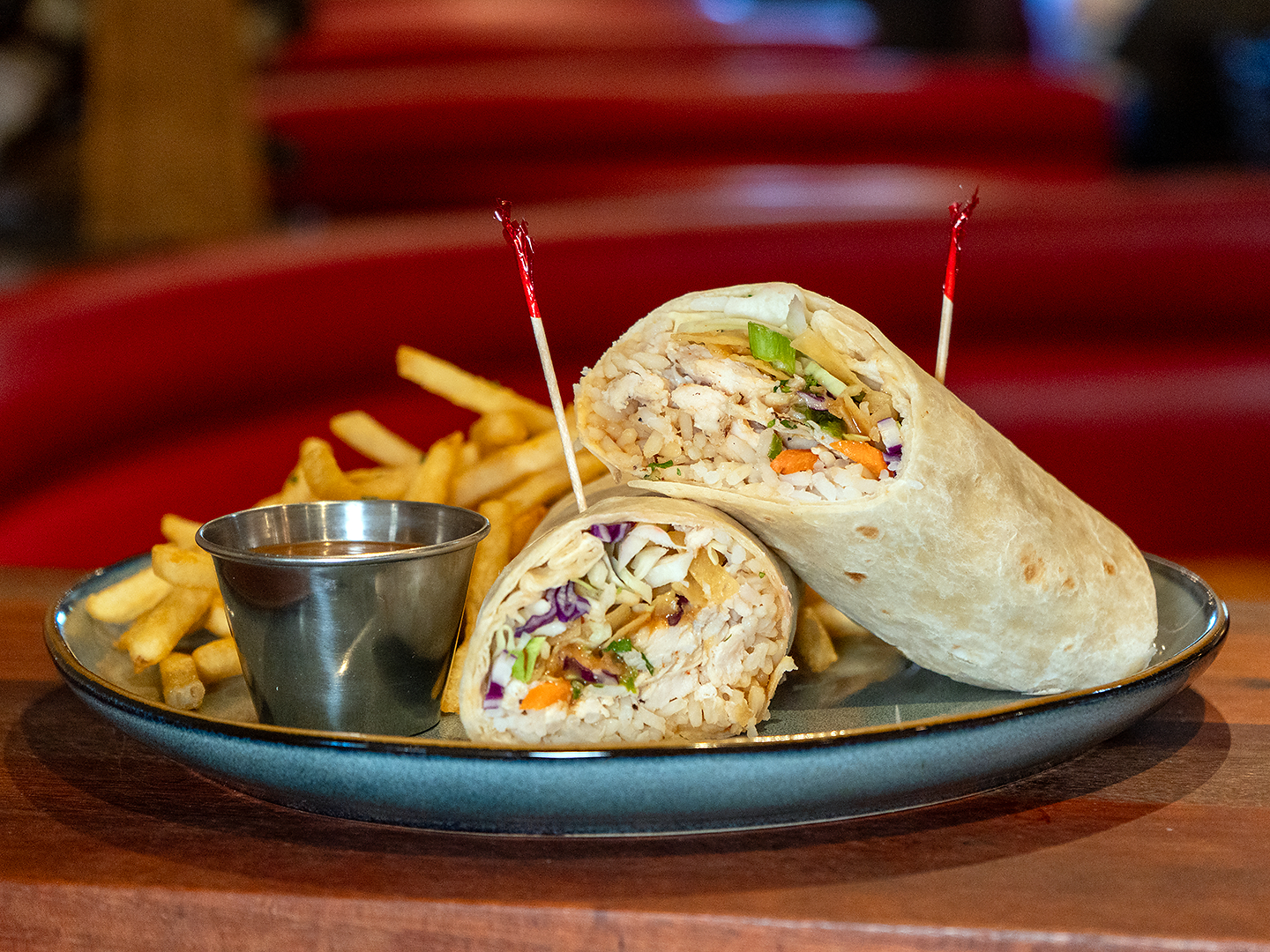
For the lunch and dinner daypart, the fall menu adds a Thai Chicken Wrap (pulled chicken breast, crispy wontons, fresh vegetables, rice, ginger peanut sauce) and a Grilled Pesto Chicken with housemade basil pesto served with two sides. Both lean lighter and more globally inflected than the breakfast lineup — a deliberate daypart contrast that gives servers a clear upsell narrative.
What Operators Should Watch
The biscuit-as-platform play reflects a broader operator-intelligence trend: casual-dining chains with sub-50-unit footprints investing in a single high-labor, high-differentiation item that earns enough menu real estate to justify the back-of-house commitment. When one scratch item can generate five or more menu positions across all three dayparts, the unit economics look very different than a single specialty dish. Chains operating in the 30-to-100-unit range — where corporate R&D resources are limited but brand differentiation is existential — should benchmark this approach against their own daypart coverage and build-versus-buy decisions on fresh-baked components.
The cocktail integration of the pumpkin sauce is also a signal: operators are increasingly running seasonal flavor investments across both non-alcoholic and alcoholic menus to amortize the cost of a house-made ingredient. That's a procurement and menu-planning tactic with direct margin implications for any full-service concept carrying a liquor license.
For vendors in the hospitality tech and POS space, a 38-unit chain executing all-day biscuit service and multiple LTO rotations is a useful case study in how mid-size operators are pushing kitchen coordination and modifier logic. And for agencies advising on seasonal brand launch timing, Mimi's is releasing before the traditional Labor Day pumpkin wave — a positioning window that rewards brands willing to move first.
Written by Michael Politz, Author of Guide to Restaurant Success: The Proven Process for Starting Any Restaurant Business From Scratch to Success (ISBN: 978-1-119-66896-1), Founder of Food & Beverage Magazine, the leading online magazine and resource in the industry. Designer of the Bluetooth logo and recognized in Entrepreneur Magazine's "Top 40 Under 40" for founding American Wholesale Floral, Politz is also the Co-founder of the Proof Awards and the CPG Awards and a partner in numerous consumer brands across the food and beverage sector.