
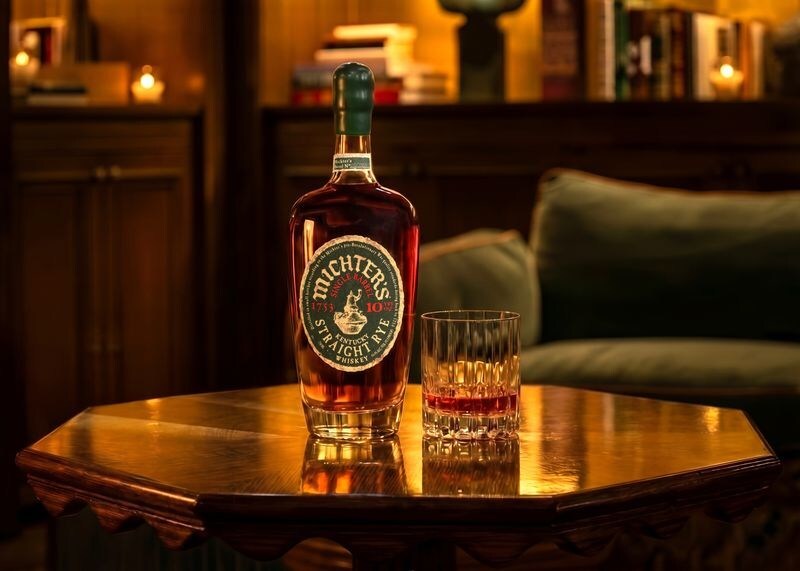
Michter's will release its 10 Year Single Barrel Kentucky Straight Rye this June, continuing one of the more closely watched annual allocations in the premium American whiskey category. For on-premise operators and beverage directors, limited single-barrel rye releases at this age statement are increasingly functioning as traffic and margin drivers rather than simple prestige pours — worth paying attention to before your allocation window closes.
Michter's President Joseph Magliocco made a point worth flagging for program builders: the brand's pitch at tastings has consistently been converting bourbon loyalists who had written off rye based on earlier, spicier expressions from other producers. The Kentucky-style mashbill — typically lower rye grain content than its Pennsylvania or Indiana counterparts — produces a profile that sits closer to familiar wheated-bourbon territory, which lowers the barrier of entry at the bar. That crossover positioning is a real menu strategy, not just marketing language.
On the broader shelf, aged rye as a category has been gaining share of premium back-bar real estate over the past two years. Buyers at both independent restaurants and managed hotel F&B programs are allocating more spend toward age-stated American whiskey as an alternative to single malt Scotch at comparable price points. Distributors in key on-premise markets have reported wait-list behavior around releases like this one, meaning operators who haven't pre-established their allocation relationship with their rep are often left out. If your beverage program treats limited whiskey as an afterthought until the bottle shows up, you are likely leaving margin and guest experience on the table. See how other operators are structuring their spirits procurement intelligence in our Operator Intelligence coverage.
From a brand-launch and positioning standpoint, the Michter's release also illustrates how heritage distillers are using annual cadence drops to sustain earned media, social content, and trade-press cycles without paid amplification. A June release announcement in late May gives bars and hotels a defined content window — allocation arrival posts, staff education nights, cocktail features — that functions like a mini-campaign. Smaller or emerging spirits brands watching this playbook should note that the scarcity mechanics only work when the liquid justifies the story. For operators evaluating new spirits partners, see our Brand Launch Department guidance on spirits retail readiness.
The practical takeaway: secure your allocation call with your distributor rep now, brief your floor staff on the Kentucky-style rye distinction before the bottle arrives, and build at least one featured serve or tasting flight around the release. A limited, age-stated pour priced correctly — typically in the $28–$38 per-pour range at premium on-premise accounts — can anchor an incremental revenue moment that costs you nothing in marketing spend beyond staff time.
Written by Michael Politz, Author of Guide to Restaurant Success: The Proven Process for Starting Any Restaurant Business From Scratch to Success (ISBN: 978-1-119-66896-1), Founder of Food & Beverage Magazine, the leading online magazine and resource in the industry. Designer of the Bluetooth logo and recognized in Entrepreneur Magazine's "Top 40 Under 40" for founding American Wholesale Floral, Politz is also the Co-founder of the Proof Awards and the CPG Awards and a partner in numerous consumer brands across the food and beverage sector.

