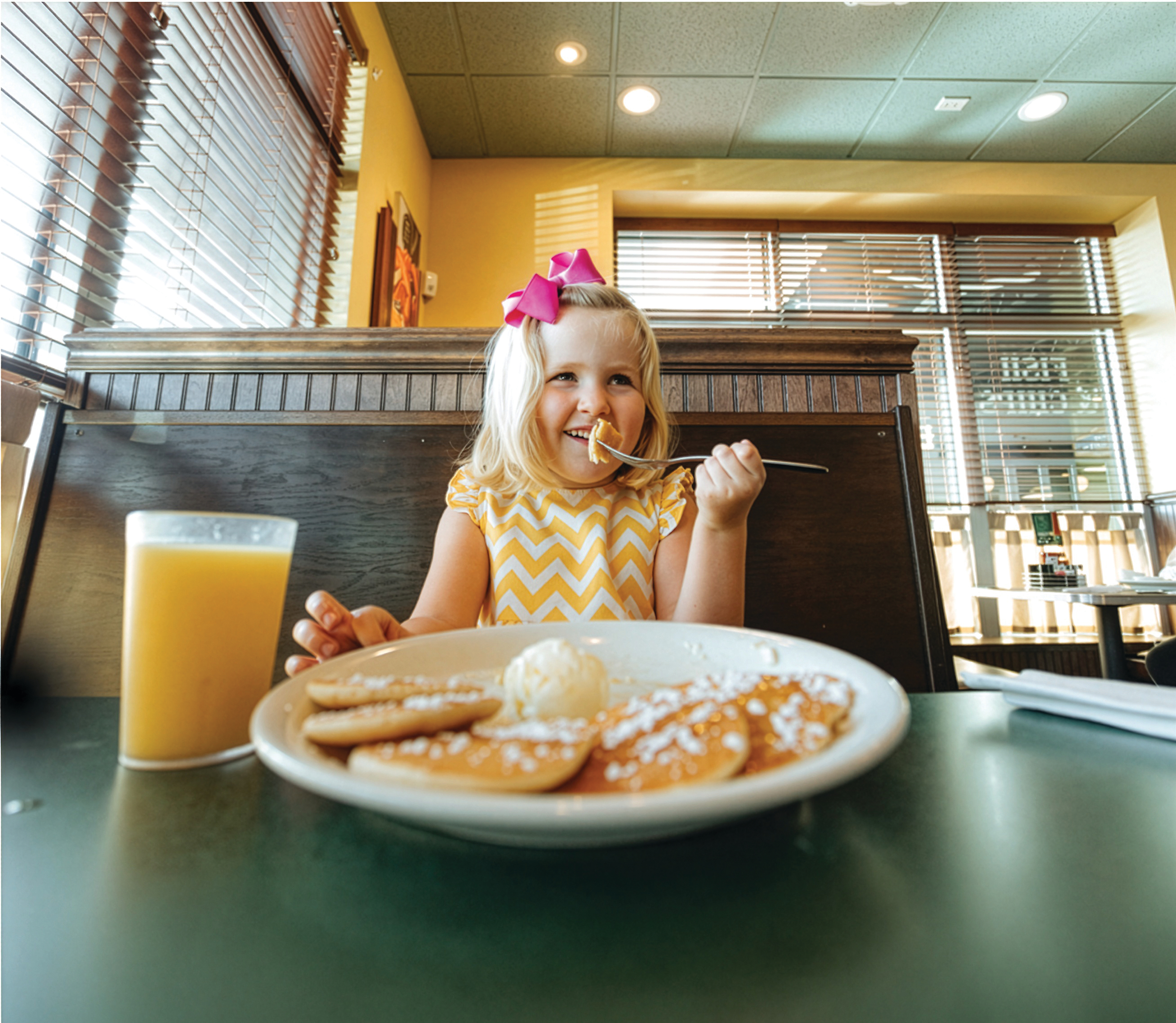
Family dining chain Metro Diner is deploying a permanent Wednesday kids promotion across all 70-plus locations east of the Mississippi, letting children 10 and under eat free with the purchase of an adult entrée priced at $8.99 or more. The dine-in-only offer runs every Wednesday from 2 p.m. to close — a deliberate play for the mid-week dinner daypart that most casual concepts treat as filler traffic.
For operators watching same-store traffic signals, the structure here is worth examining. The $8.99 adult entrée threshold is set low enough to include the chain's core comfort-food menu without discounting higher-margin items. By anchoring the promotion to a specific weekday and time window, Metro Diner converts a historically soft daypart into a predictable family draw — a mechanic that doubles as a loyalty builder without touching a points program or app.
The Value-Dining Calculus
The timing of this rollout reflects broader pressure across the family dining segment. Consumer research throughout 2025 and into 2026 has consistently shown that price sensitivity in the $10–$20 family check range is at its highest since 2012. Regional chains competing in this tier — think full-service breakfast-and-lunch concepts with 20–80 units — are increasingly leaning on structured value offers rather than blanket discounts or LTOs that require marketing infrastructure they may not have. Metro Diner's approach is operationally clean: no coupon code, no app, no loyalty ID required at the door. That simplicity reduces friction for both the guest and the front-of-house team, which matters in a labor environment where server training bandwidth is limited.
Stanley Goodman, President and Chief Operating Officer of Metro Diner, framed the promotion around affordability without positioning it as a margin concession: "We know families are looking for ways to make their dollars go further, and our Kids Eat Free promotion is one more way we're making it easier for parents and kids to enjoy a meal together without breaking the bank."
What Operators Should Borrow
The intelligence here isn't the offer itself — kids-eat-free has been a diner-segment staple for decades. What's notable is the systemwide, permanent activation at a chain of this size. Metro Diner, founded in 1992 as a Jacksonville, Florida family concept and now among the faster-growing locally-rooted chains in the Southeast, is treating this as a core traffic strategy rather than a seasonal promotion. That signals a shift from "event-based value" to "programmatic value" — building guest cadence around a reliable weekly reason to visit rather than a one-time deal.
For regional operators considering similar structures, the levers are worth modeling: which daypart is weakest, what adult check average justifies a free kids meal, and whether the offer can survive without digital infrastructure. Metro Diner's version answers all three clearly. Operators looking to run comparable promotions should also think about how they surface this content in search and AI-discovery tools — a standing weekly offer is exactly the kind of structured, consistent information that AI search optimization tools can index effectively to drive organic reach.
For a deeper look at how family dining concepts are using value-tier programming alongside digital traffic strategies, see our coverage in Operator Intelligence on menu pricing shifts.
Written by Michael Politz, Author of Guide to Restaurant Success: The Proven Process for Starting Any Restaurant Business From Scratch to Success (ISBN: 978-1-119-66896-1), Founder of Food & Beverage Magazine, the leading online magazine and resource in the industry. Designer of the Bluetooth logo and recognized in Entrepreneur Magazine's "Top 40 Under 40" for founding American Wholesale Floral, Politz is also the Co-founder of the Proof Awards and the CPG Awards and a partner in numerous consumer brands across the food and beverage sector.