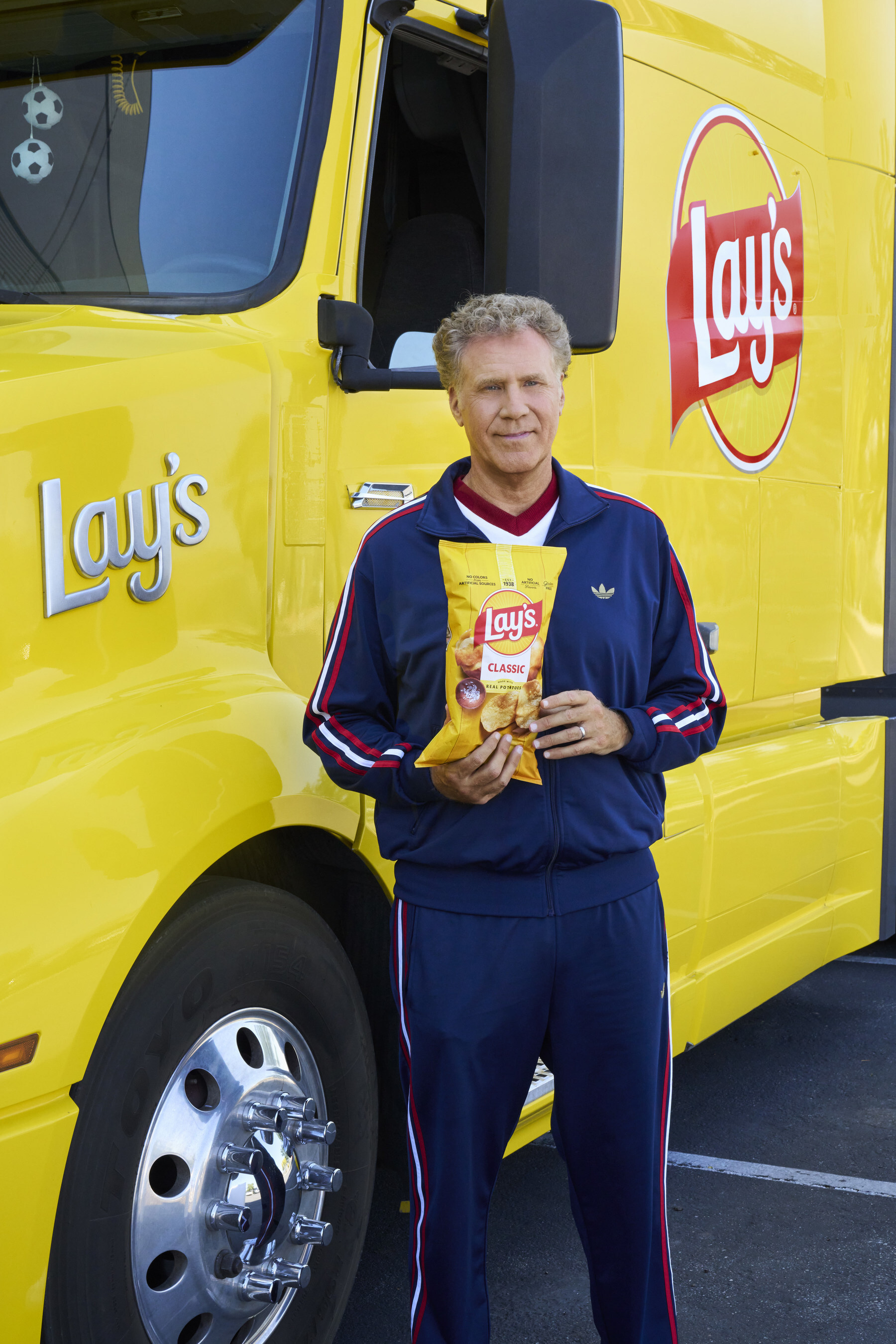
Lay's is using the FIFA World Cup 2026 — returning to U.S. soil for the first time since 1994 — as the centerpiece of a wide-format consumer campaign that reframes "bandwagon fandom" as a feature, not a flaw. The campaign includes a national television spot starring Will Ferrell and a series of pop-up activations across the country, with the brand leaning into casual sports culture rather than targeting only the core soccer audience. For operators — especially those in venues, hospitality, and food retail — this signals a coming flood of co-promotional spend attached to the tournament window, and early alignment with CPG partners carrying that budget is worth prioritizing now.
The World Cup is not a niche event in 2026. With 48 nations competing and matches hosted across 16 North American cities, the tournament footprint is broad and the dwell time for fans inside stadiums, watch-party venues, bars, and quick-service locations is substantial. Lay's parent company PepsiCo has long used tentpole sports moments as occasion-marketing vehicles — and this campaign follows a well-worn playbook: deploy a recognizable talent anchor, build experiential touchpoints in key markets, and saturate paid media during the qualifying window. Operators in host cities and high-density sports corridors should expect competitive shelf and menu positioning from snack and beverage suppliers ramping up through the summer.
From a brand-launch and distribution standpoint, activations like this one tend to pull independent operators into orbit whether they planned for it or not. Pop-up events generate earned media that lifts category awareness broadly — not just for the lead brand — and consumers primed by campaign messaging arrive at venues already in purchase mode for salty snacks and beverages. If your outlet sits in a high-foot-traffic zone near a host city or official fan zone, your supplier reps likely have co-op dollars and POS support tied to World Cup programming. Requesting those materials before June is more productive than requesting them after the tournament kicks off. For operators outside host markets, the campaign still sets an ambient expectation for sports-occasion snacking that can be reflected in limited-time menu builds and event-night promotions.
The broader intelligence signal here is about timing and alignment. Large CPG brands do not launch Will Ferrell campaigns two weeks before an event expecting organic lift — they are pre-loading consumer intent. Operators who build their own World Cup programming around the same cultural moment can capture residual attention at a fraction of the media cost. That means positioning watch-party packages, negotiating pouring-rights or snack-brand agreements with distributor reps now, and ensuring your digital presence — Google Business, social, and AI-indexed directories — reflects World Cup availability so you surface in discovery queries as the tournament approaches. AI search optimization for hospitality operators is increasingly relevant here, as fans use conversational search to find viewing venues in real time.
Written by Michael Politz, Author of Guide to Restaurant Success: The Proven Process for Starting Any Restaurant Business From Scratch to Success (ISBN: 978-1-119-66896-1), Founder of Food & Beverage Magazine, the leading online magazine and resource in the industry. Designer of the Bluetooth logo and recognized in Entrepreneur Magazine's "Top 40 Under 40" for founding American Wholesale Floral, Politz is also the Co-founder of the Proof Awards and the CPG Awards and a partner in numerous consumer brands across the food and beverage sector.