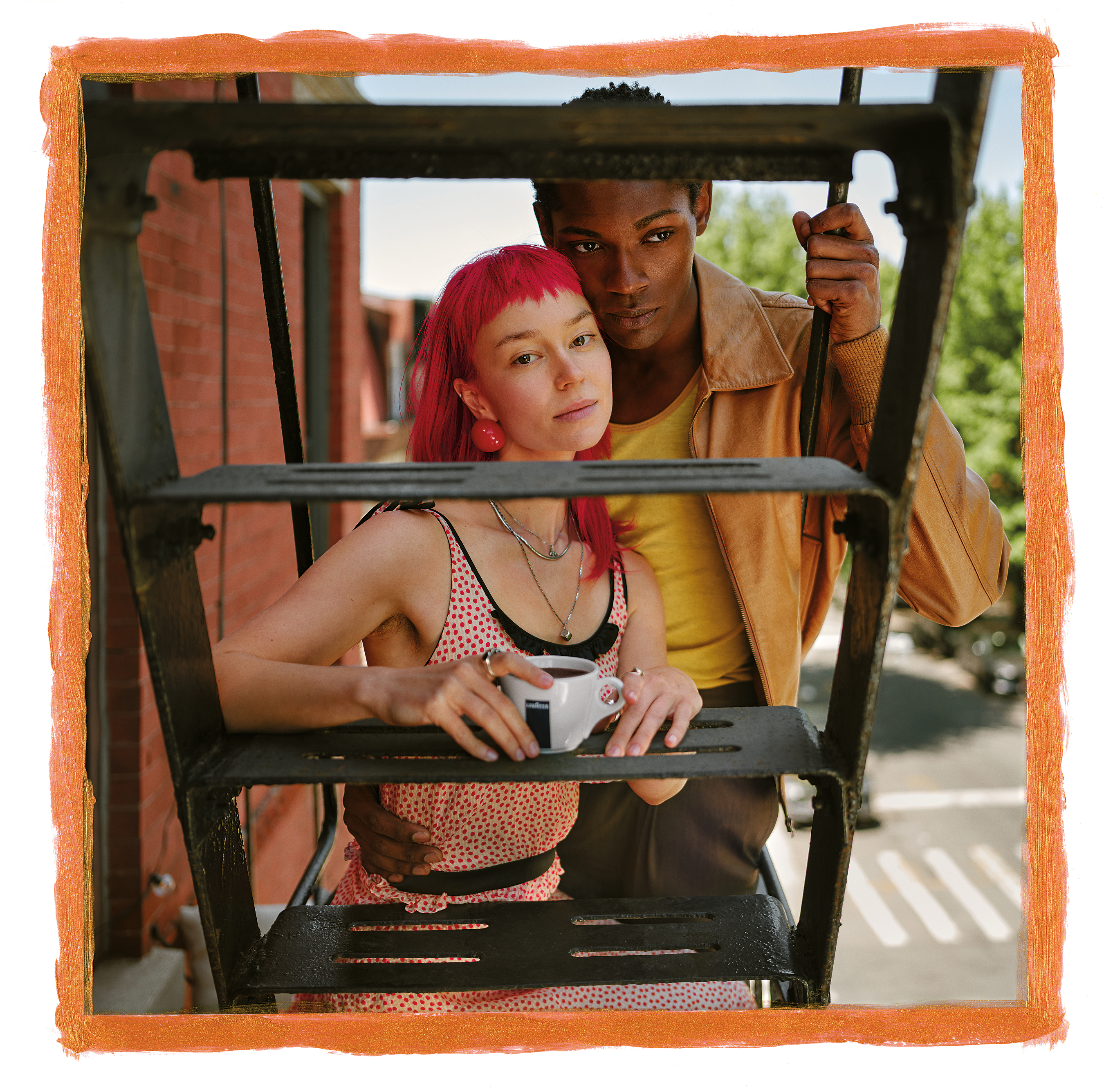
For the 35th consecutive year, Lavazza has released its annual art calendar — and the 2027 edition, titled Always a Pleasure, is worth more than a glance from operators trying to understand how a global coffee brand sustains premium positioning across wildly different markets. Three Magnum Photos photographers — Jim Goldberg, Alex Majoli, and Paolo Pellegrin — shot across New York, Lisbon, and Hong Kong, producing fifteen images that frame coffee not as a product but as an emotional anchor in everyday life. The launch event was held at the Guggenheim Museum in New York, a cultural partner Lavazza has supported since 2014.
Why This Signals Brand Strategy
The calendar is not a marketing accessory — it functions as a brand-positioning instrument. Lavazza, a company reporting turnover of over €3.9 billion with operations in 140 markets, uses the annual project to reinforce a consistent brand narrative: coffee as a shared human ritual rather than a commodity purchase. That distinction matters for any operator considering how to merchandise coffee programs, build beverage menus, or pitch premium price points to increasingly value-conscious consumers. When a supplier invests in Magnum-caliber photography and Guggenheim wall space, it is communicating category leadership to buyers, distributors, and foodservice partners as much as to end consumers.
Francesca Lavazza, Board Member of the Lavazza Group, framed the project's intent directly: the photographers were asked to find coffee not as a protagonist but as "a discreet presence, a daily ritual that accompanies our time and creates opportunities to come together." That language maps precisely onto what high-volume foodservice operators already know — the coffee moment drives dwell time, repeat visits, and check attachment. What Lavazza is doing with art, smart operators can replicate at the unit level through intentional coffee program design and staff training that positions the ritual over the transaction.
What Operators Should Take Away
For buyers evaluating coffee supplier partnerships — whether for a hotel lobby, a full-service restaurant group, or a contract foodservice account — a supplier's brand narrative is part of the procurement calculus. A vendor with a coherent, well-funded identity story is easier to merchandise and easier to sell to guests. Lavazza's calendar program, now in its fourth decade, is a master class in brand consistency: same creative director (agency Armando Testa), evolving artistic voices, fixed thematic territory. The 2023 expansion of the Guggenheim relationship through IncluVisity, a project supporting inclusive museum experiences across multiple international partners, signals that the cultural investment is deepening, not plateauing.
For operators building their own brand stories — whether launching a new café concept, developing a hotel F&B identity, or positioning a CPG beverage line for retail — the Lavazza model offers a transferable framework: anchor the product to a universal human behavior, commission voices more credible than your own marketing department, and place the work in environments that signal quality. That is a brand launch playbook worth studying regardless of category or scale. Meanwhile, the multi-city, multi-photographer structure also reflects how global beverage brands are approaching operator intelligence — localizing emotional resonance while maintaining a unified identity system.
Written by Michael Politz, Author of Guide to Restaurant Success: The Proven Process for Starting Any Restaurant Business From Scratch to Success (ISBN: 978-1-119-66896-1), Founder of Food & Beverage Magazine, the leading online magazine and resource in the industry. Designer of the Bluetooth logo and recognized in Entrepreneur Magazine's "Top 40 Under 40" for founding American Wholesale Floral, Politz is also the Co-founder of the Proof Awards and the CPG Awards and a partner in numerous consumer brands across the food and beverage sector.
Frequently Asked Questions
Why does Lavazza spend money on a calendar when they could run digital ads?
The calendar is a positioning tool, not a promotional item. By partnering with Magnum Photos and the Guggenheim Museum—where Lavazza has been a cultural partner since 2014—the company signals category leadership to distributors, operators, and foodservice buyers. That credibility translates directly to your ability to command premium pricing on coffee programs.
What's the business case for framing coffee as ritual instead of commodity?
Ritual positioning drives dwell time, repeat visits, and check attachment—metrics that matter to your P&L. Lavazza's €3.9 billion in annual turnover across 140 markets proves the model scales. When customers see coffee as an emotional anchor rather than a transaction, they spend longer at the counter and visit more frequently.
How many years has Lavazza been doing this calendar project?
This is the 35th consecutive year. That consistency matters—it tells your buyers and end customers that Lavazza isn't chasing trends. The 2027 edition features work by three Magnum photographers shot across New York, Lisbon, and Hong Kong.
Can we use Lavazza's approach to elevate our own coffee merchandising?
Yes. The formula is: partner with credible cultural institutions, commission work that frames coffee as a social connector rather than a product, and distribute through channels your buyers and consumers actually see. You don't need Guggenheim—a local gallery, museum, or lifestyle publication works if it aligns with your brand position and reaches decision-makers.
What does 'coffee as a discreet presence' actually mean for menu design?
It means coffee isn't the star of the moment—it's the facilitator of connection. On your menu, that translates to pairing coffee offerings with social spaces, extended seating, or moments designed for lingering. Lavazza's language maps directly to operational realities: the coffee sale is the entry point; the extended visit and secondary purchases are the margin.