
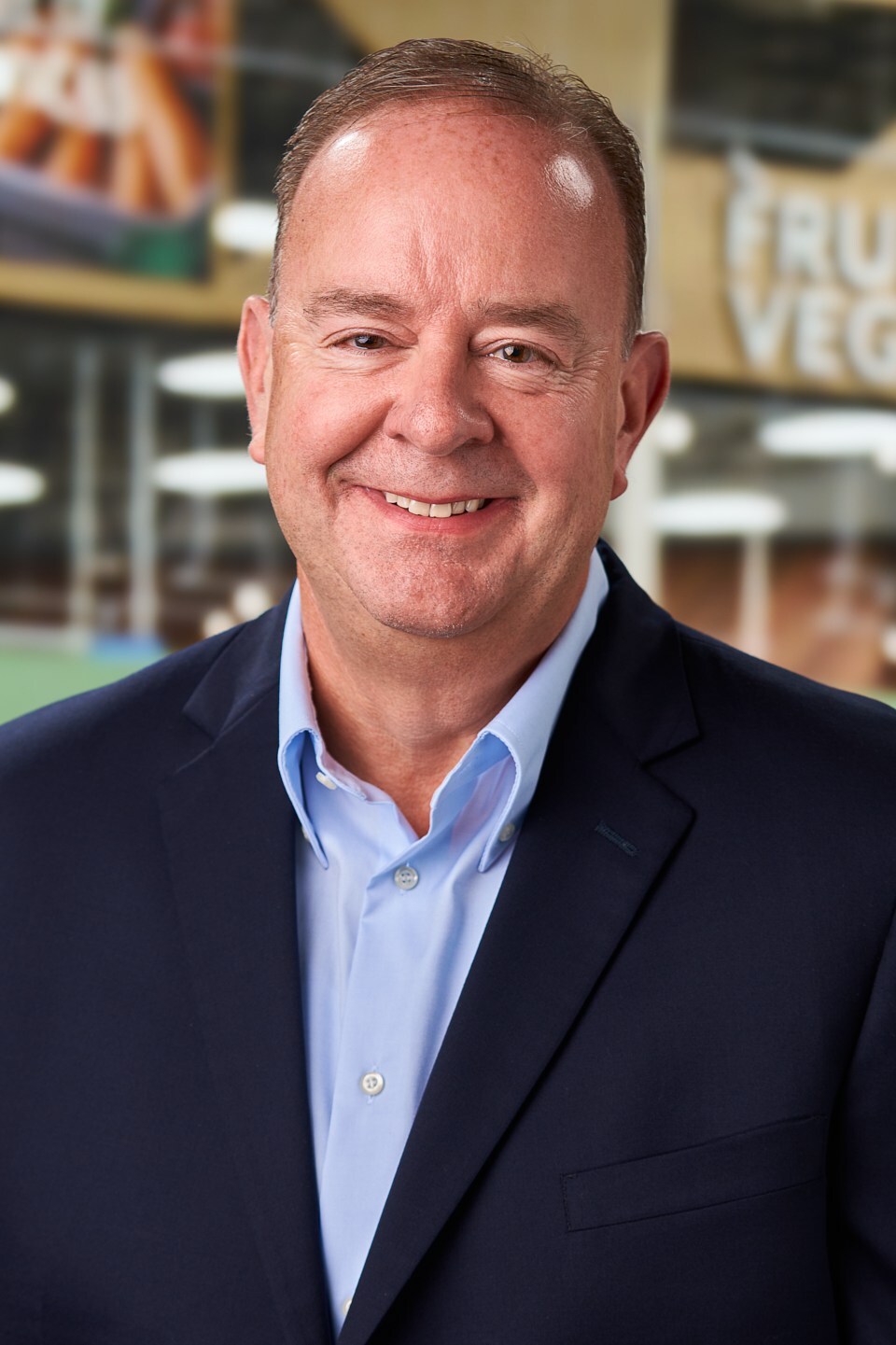
Kroger confirmed this week that Tim Massa, Executive Vice President and Chief Associate Experience Officer, will retire on September 18 after 16 years with the company. Massa joined Kroger in 2010 following a 21-year run at Procter & Gamble, and over his tenure shaped the grocer's approach to talent development, labor relations, and what the company now calls the "associate experience" — a framing that reflects just how much the HR function at scale retailers has evolved from transactional management into a full brand and retention discipline.
For operators watching from the outside, the Massa departure is worth tracking for a specific reason: Kroger's labor architecture influences a disproportionate share of the food and beverage workforce ecosystem. The company employs roughly 430,000 associates across its banner network, and the frameworks it builds around scheduling, compensation benchmarking, and associate engagement tend to migrate — through consultants, vendors, and departing executives — into broader hospitality and food-service practice within 12 to 24 months.
Massa's career arc also signals a structural shift in how large food organizations think about the HR function at the C-suite level. His title — Chief Associate Experience Officer rather than Chief People Officer — reflects an operator-side push to reframe labor investment as a brand-building variable, not a cost center. That framing has real procurement implications: vendors selling workforce management platforms, scheduling AI, and associate-communication tools have increasingly pitched to experience-titled executives rather than traditional HR buyers. Operators building out their own people-tech stack should expect the replacement hire and their vendor preferences to reshape which tools get traction inside Kroger's supplier network.
From a labor-intelligence standpoint, leadership transitions at this level at major grocers typically precede one of three moves: a renegotiation of union contract posture, a replatforming of workforce technology, or a structural reorganization of the HR function itself. Kroger is currently navigating a post-merger integration period following the collapse of its proposed Albertsons deal, which adds a layer of internal workforce complexity that whoever fills this seat will inherit immediately. Suppliers and co-manufacturers with Kroger relationships should be attentive to any shifts in vendor-facing HR communications or onboarding protocol changes that could follow a new executive's priorities.
For food and beverage operators building their own associate experience programs — particularly multi-unit restaurant groups and regional grocers — the Massa retirement is a useful moment to benchmark your own people-leadership structure against where the industry's largest player has already arrived. If your HR function is still operating under a traditional title and a compliance-first mandate, you are likely a cycle behind where procurement, investors, and workforce-tech vendors are already looking. See related coverage on labor technology and operator intelligence and how brand infrastructure decisions are increasingly tied to associate experience positioning.
Written by Michael Politz, Author of Guide to Restaurant Success: The Proven Process for Starting Any Restaurant Business From Scratch to Success (ISBN: 978-1-119-66896-1), Founder of Food & Beverage Magazine, the leading online magazine and resource in the industry. Designer of the Bluetooth logo and recognized in Entrepreneur Magazine's "Top 40 Under 40" for founding American Wholesale Floral, Politz is also the Co-founder of the Proof Awards and the CPG Awards and a partner in numerous consumer brands across the food and beverage sector.

