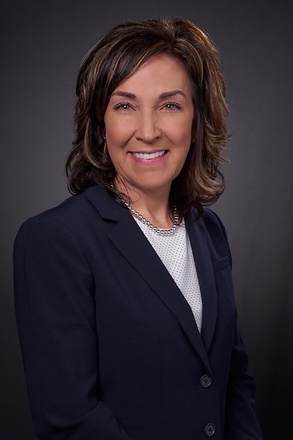
Colleen Lindholz, president of Kroger Health, is stepping down after 31 years with the company — and her departure removes one of the most consequential architects of retail health-and-nutrition strategy in the grocery sector. For food and beverage operators, suppliers, and health-forward brands that built distribution or co-marketing relationships through Kroger Health's programming, the transition warrants close attention.
Lindholz joined Kroger as a pharmacist in 1995, rising through pharmacy management and merchandising roles before being named President and CEO of the Little Clinic in 2015 and president of Kroger Health in 2017. Over that decade at the helm, she is credited with building the company's Food as Medicine platform and launching the Nourishing Change movement — both of which positioned Kroger as a destination where clinical guidance, pharmacy services, and grocery purchasing intersect.
What Operators Should Watch
For suppliers and brand partners, Kroger Health's Food as Medicine strategy has been a meaningful entry point into the better-for-you grocery channel. The framework encouraged cross-merchandising between pharmacy, dietitian services, and center-store nutrition products — a model that gave emerging health-forward brands a credibility bridge with shoppers. Leadership transitions at this level typically trigger a review of vendor partnerships, programming priorities, and category allocations. Brands with active Kroger Health co-marketing agreements or sampling integrations should expect a period of strategic reassessment as a successor is named.
The broader retail grocery pharmacy space is also in flux. Regional and national chains have accelerated investment in health-and-wellness programming as a traffic and loyalty driver, and Kroger's next appointment to this role will signal whether the chain deepens or recalibrates that bet. Peer grocers including Albertsons and regional co-ops have built parallel nutrition-counseling and food-pharmacy programs; Kroger's succession choice will indicate how aggressively it intends to compete on that front.
Procurement and Brand-Launch Implications
For food and beverage brands targeting the health-and-wellness grocery channel, this is the moment to reassess how your retail pitch is structured. Buyer relationships built through Lindholz-era programming may need to be re-established with incoming leadership. Operators sourcing prepared foods or functional ingredients through Kroger's Little Clinic partnerships should monitor whether those programs continue under the same scope.
Mary Ellen Adcock, Kroger's Chief Marketing and Merchandising Officer, offered a measured tribute — noting Lindholz's focus on "helping families live healthier lives by eating better-for-them foods" — but the company has not yet named a successor or provided a transition timeline. Until that appointment is made, Kroger Health's vendor and program relationships exist in an interim state.
For operators and suppliers building distribution or brand-launch strategies around the better-for-you grocery channel, tracking this succession is as important as any new buyer deck. See related coverage on retail-channel brand strategy and operator procurement intelligence for context on how leadership shifts at major grocers ripple through the supply chain.
Written by Michael Politz, Author of Guide to Restaurant Success: The Proven Process for Starting Any Restaurant Business From Scratch to Success (ISBN: 978-1-119-66896-1), Founder of Food & Beverage Magazine, the leading online magazine and resource in the industry. Designer of the Bluetooth logo and recognized in Entrepreneur Magazine's "Top 40 Under 40" for founding American Wholesale Floral, Politz is also the Co-founder of the Proof Awards and the CPG Awards and a partner in numerous consumer brands across the food and beverage sector.