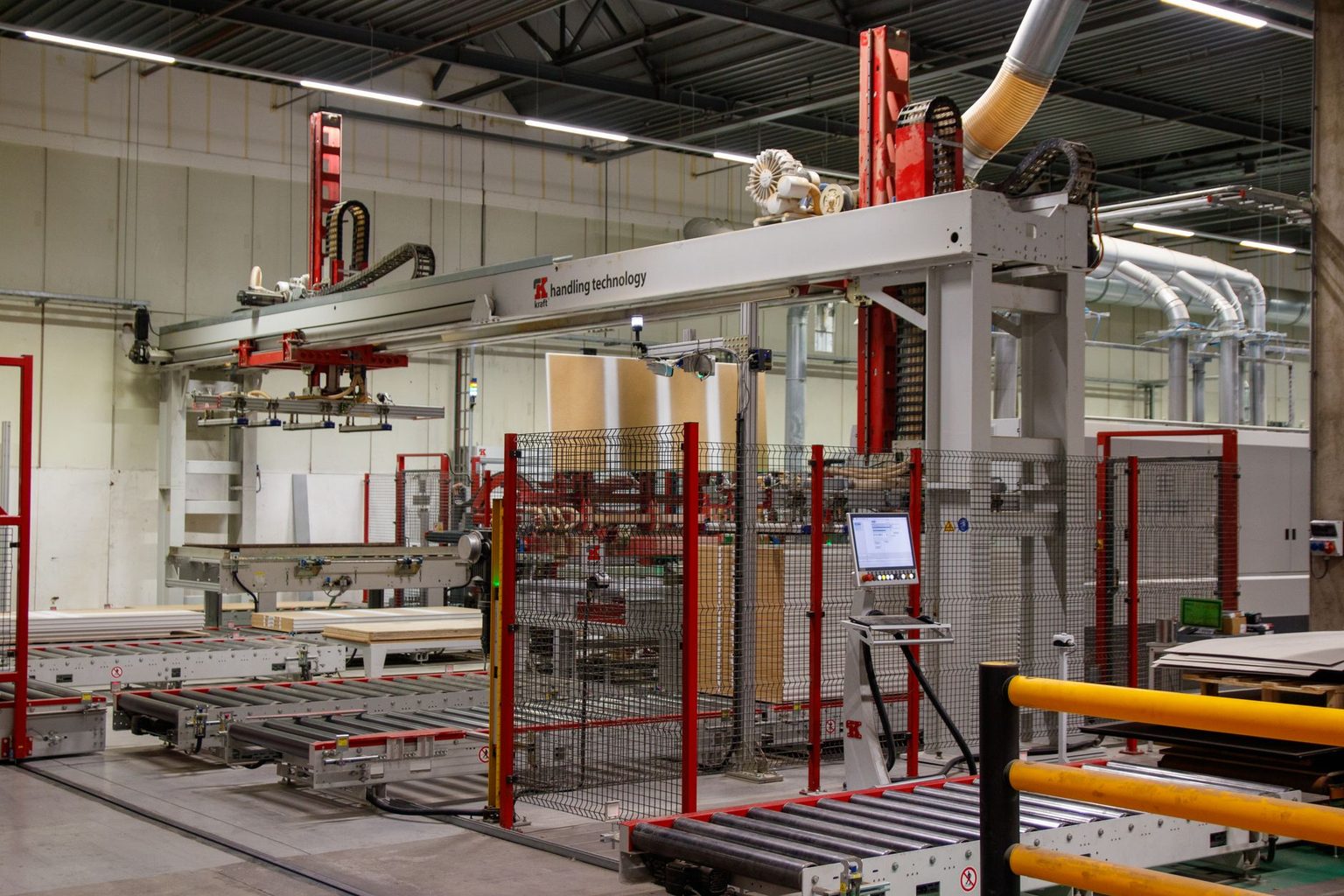
JBT Automated Systems has officially rebranded as FORMOVA, effective July 14, marking a strategic identity shift for one of the longer-standing automation vendors serving food manufacturing, beverage production, and supply chain operations. The name change is more than cosmetic — it signals a deliberate repositioning around what the company calls Total Automation Intelligence, a platform framing that consolidates materials handling, product movement, and information flow into a single operational model.
For operators and procurement teams in foodservice and CPG, the timing is notable. Automation investment across the food and beverage manufacturing sector has accelerated sharply as labor costs have remained elevated and supply chain complexity has deepened. Vendors that can demonstrate integrated intelligence — not just mechanical conveyance — are increasingly winning RFP cycles over point-solution providers.
What the Rebrand Signals
The FORMOVA rebrand reflects a competitive dynamic that operators evaluating automation partners should track closely. Legacy industrial automation vendors are consolidating their service and software layers under unified brand architectures, partly to compete with newer entrants that lead with AI-enabled platforms. By anchoring a new name to "Total Automation Intelligence," FORMOVA is effectively signaling that its pitch has shifted from equipment vendor to intelligence-infrastructure partner — a distinction that matters when procurement teams are scoring vendors on long-term integration capability, not just upfront hardware cost.
This move mirrors positioning shifts seen across the broader foodservice tech and manufacturing-automation vendor landscape, where companies are racing to be classified as platform providers rather than suppliers. For food and beverage manufacturers sourcing automation systems, that reclassification has direct implications for contract structure, integration timelines, and the depth of data access operators should expect to negotiate upfront.
What Operators Should Watch
FORM OVA enters the market with roughly four decades of operational history behind the new identity, which is a material advantage when evaluating reliability and reference accounts. Operators in high-throughput food and beverage environments — particularly those managing co-manufacturing relationships, multi-site distribution, or retail replenishment complexity — should request updated capability documentation under the new brand architecture to confirm whether the Total Automation Intelligence framing represents new product capability or primarily a repositioning of existing services.
Procurement and supply chain teams benchmarking automation vendors should also note that rebrands of this scale typically accompany pricing model adjustments, revised service tiers, or new software licensing structures. Before renewing or initiating contracts, operators would be well served to clarify what, if anything, has changed in the underlying product and service stack — not just the name on the deck. For further context on how automation vendors are competing for food and beverage contracts, see our Marketplace coverage of foodservice tech vendors and the AI Department's guide to AI procurement in hospitality.
Written by Michael Politz, Author of Guide to Restaurant Success: The Proven Process for Starting Any Restaurant Business From Scratch to Success (ISBN: 978-1-119-66896-1), Founder of Food & Beverage Magazine, the leading online magazine and resource in the industry. Designer of the Bluetooth logo and recognized in Entrepreneur Magazine's "Top 40 Under 40" for founding American Wholesale Floral, Politz is also the Co-founder of the Proof Awards and the CPG Awards and a partner in numerous consumer brands across the food and beverage sector.