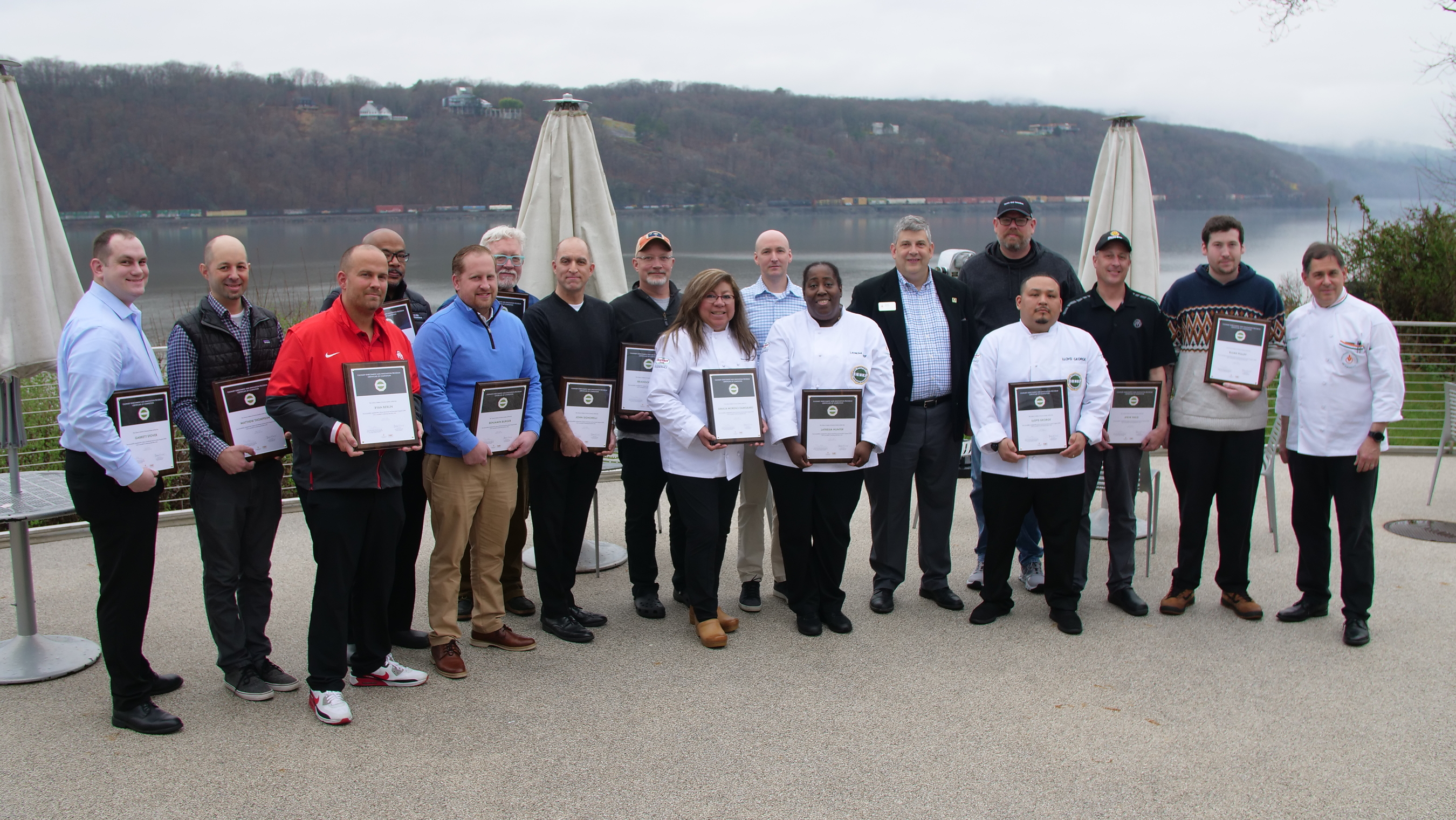
Applications are open through Nov. 30 for the Culinary Enrichment and Innovation Program (CEIP) class of 2028, a fully tuition-funded leadership cohort built jointly by Hormel Foods and the Culinary Institute of America. The program selects 20 foodservice chefs per cycle and runs across three immersive modules at CIA campuses — no academic prerequisites required, but a decade of professional experience is the baseline.
The structure matters for operators trying to understand how large suppliers are competing for chef mindshare. Hormel underwrites all tuition and meals across the full 12-month cycle: Module I in Napa Valley (April 5–8, 2027), Module II in San Antonio (October 2027), and Module III in Hyde Park, New York (April 2028). Participants cover their own travel and lodging, which keeps the brand relationship visible without making it purely transactional.
Why Suppliers Are Investing Here
This isn't a new program — CEIP launched in 2008 and has been running cohorts for nearly two decades. But the 2026 application cycle lands at a moment when foodservice labor quality, retention, and culinary leadership are acute pressure points across full-service, contract, and noncommercial segments. Suppliers that own a relationship with senior kitchen talent gain a durable advantage in menu development conversations, product trials, and specification cycles that no trade-show booth can replicate.
"The future of foodservice depends on strong culinary leaders who can inspire teams, drive innovation and adapt to a rapidly evolving industry," said Annemarie Vaupel, vice president of foodservice marketing at Hormel Foods. The framing is worth noting: Hormel is positioning this as infrastructure investment, not sponsorship. When a supplier funds advanced leadership training, the return is measured in category credibility and long-term specification influence — not impressions.
What This Signals for Operators
For operators evaluating supplier relationships and procurement strategy, programs like CEIP signal a shift in how major branded food companies are building loyalty with the chef layer rather than just the purchasing layer. A cohort chef who completes the program holds a CIA certificate of completion and continuing education units — credentials that carry weight inside large noncommercial accounts, contract-managed properties, and hotel food and beverage departments.
For culinary directors and executive chefs at hotel groups, healthcare systems, universities, and multiunit restaurant operators, the calculus is straightforward: three immersive modules at CIA facilities, a peer cohort of 20 senior chefs from across the industry, and zero tuition cost. The program's 18-year track record through Food & Beverage Magazine's coverage of supplier-chef programs suggests this cohort format outperforms transactional incentives for retaining engaged culinary talent in a brand's ecosystem.
For agencies and brand launch teams advising foodservice suppliers, CEIP is a benchmark for what sustained chef-engagement infrastructure looks like at the enterprise level — and a reminder that culinary credibility is built across years, not campaigns.
Written by Michael Politz, Author of Guide to Restaurant Success: The Proven Process for Starting Any Restaurant Business From Scratch to Success (ISBN: 978-1-119-66896-1), Founder of Food & Beverage Magazine, the leading online magazine and resource in the industry. Designer of the Bluetooth logo and recognized in Entrepreneur Magazine's "Top 40 Under 40" for founding American Wholesale Floral, Politz is also the Co-founder of the Proof Awards and the CPG Awards and a partner in numerous consumer brands across the food and beverage sector.