
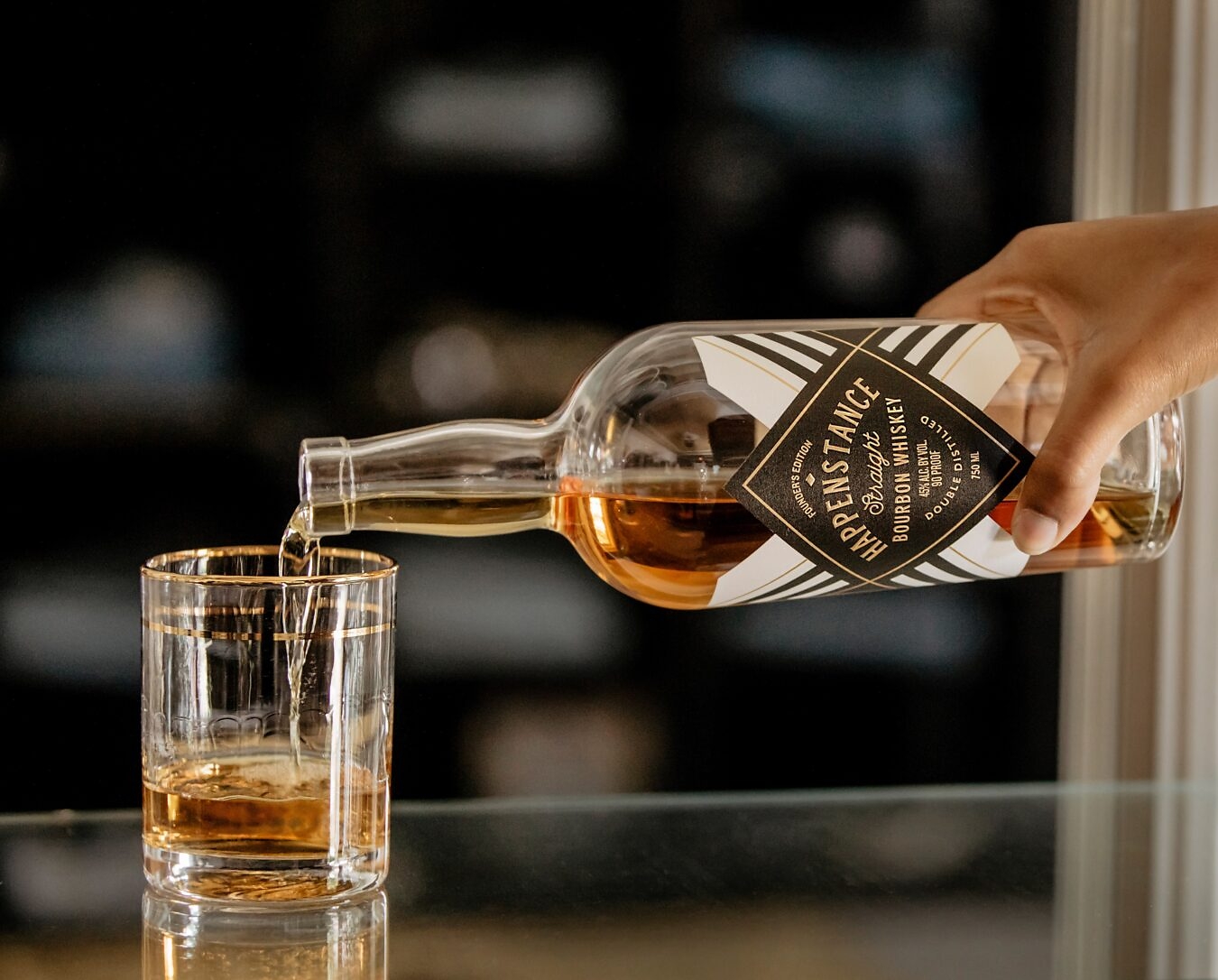
Happenstance Whiskey, the Nashville-based 100% women-owned bourbon brand, has placed its multi-gold-award-winning whiskey in select Whole Foods Market locations across Southern California. The move converts a California distribution deal announced earlier this year into a named premium retail account — a meaningful distinction for any emerging spirits brand navigating the gap between regional distribution and visible shelf placement.
Landing at Whole Foods is not simply a volume play. The chain's buyer criteria weight brand story, ingredient narrative, and category differentiation — the same filters that boutique spirits brands often struggle to package for a conventional grocery pitch. Happenstance clears several of those filters at once: ownership profile, award validation, and a Tennessee provenance that travels well in a market where California-centric provenance dominates the premium spirits shelf. For operators in the on-premise channel — bars, hotels, and independent restaurants buying in markets where Whole Foods sets consumer expectations — a placement like this functions as third-party credibility before a sales rep ever walks through the door.
The broader craft spirits landscape supports the timing. Premium and super-premium American whiskey continues to outpace the overall spirits category in off-premise velocity, and natural-channel retailers have become an increasingly important discovery point for spirits consumers who skew toward intentional purchasing. Brands that can demonstrate retail traction at a retailer with Whole Foods' brand equity gain leverage in subsequent conversations with on-premise buyers, distributors in adjacent states, and hospitality procurement teams evaluating local or women-owned vendor commitments. For a brand at Happenstance's stage, Southern California shelf placement is less an endpoint than an opening credential. Operators sourcing emerging spirits for curated beverage programs — particularly those with DEI or founder-story positioning — should be tracking which brands are winning these placements before the next distributor pitch cycle. A brand that clears Whole Foods buyer review has already done a version of the vetting that a hotel F&B director or independent restaurant buyer would run. That compression of due diligence has real procurement value. The retail launch also signals a brand-launch sequence worth noting: California distribution announced, then a named premium account confirmed within the same calendar window. That cadence — broad distribution access followed quickly by a high-visibility placement — is a replicable structure for any craft beverage brand building a West Coast footprint. Operators and buyers interested in how emerging brands structure these rollouts can find additional context in our Brand Launch Department coverage and in ongoing Operator Intelligence dispatches on beverage trends.
Written by Michael Politz, Author of Guide to Restaurant Success: The Proven Process for Starting Any Restaurant Business From Scratch to Success (ISBN: 978-1-119-66896-1), Founder of Food & Beverage Magazine, the leading online magazine and resource in the industry. Designer of the Bluetooth logo and recognized in Entrepreneur Magazine's "Top 40 Under 40" for founding American Wholesale Floral, Politz is also the Co-founder of the Proof Awards and the CPG Awards and a partner in numerous consumer brands across the food and beverage sector.

