The Operational Signal
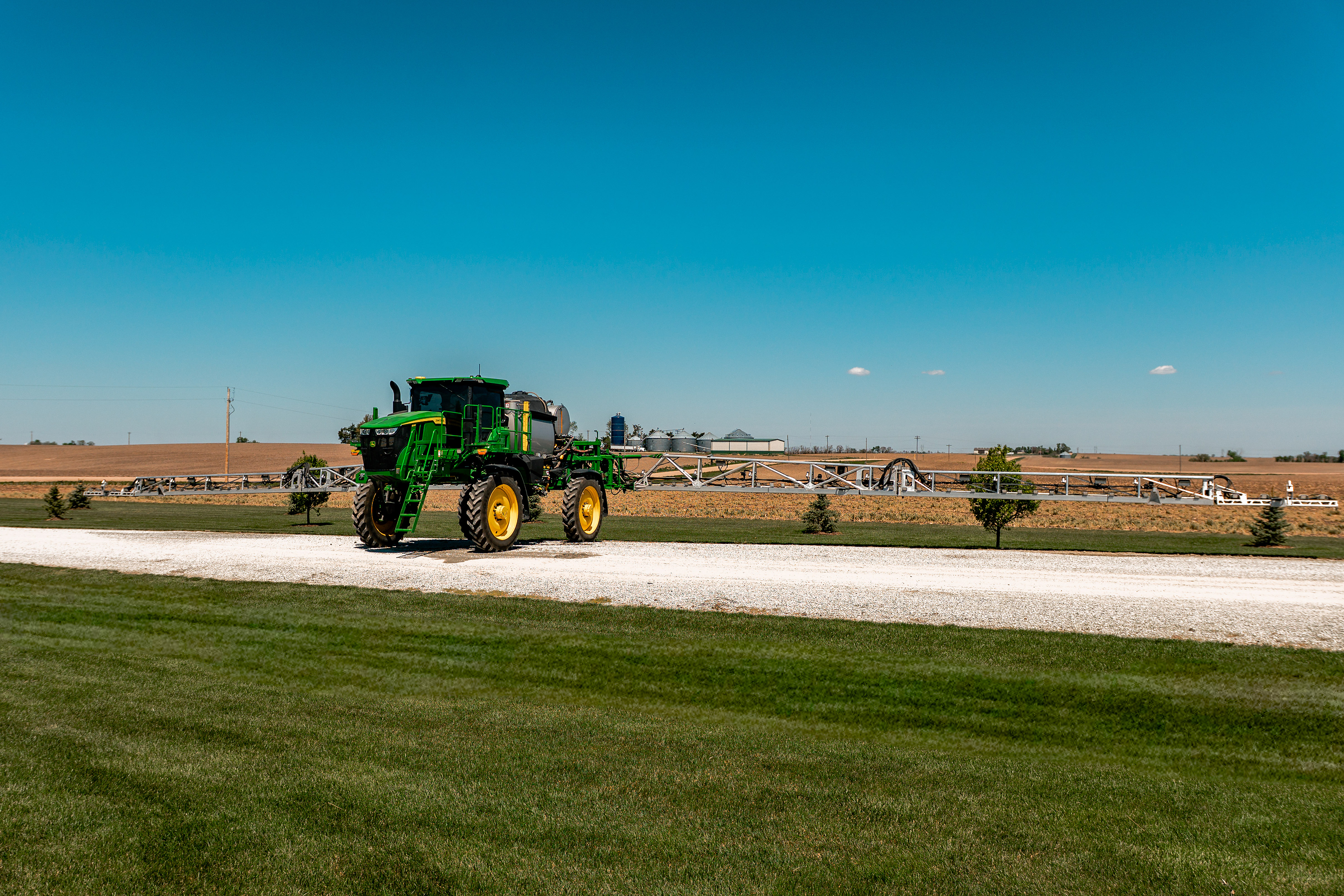
Greeneye Technology, the AI-powered targeted spraying company, is establishing its North American headquarters in Salina, Kansas — a move that puts its field-support infrastructure squarely inside the agricultural supply corridor its customers depend on. The announcement follows a 2026 season in which Greeneye-equipped machines covered more than 500,000 acres across 12 U.S. states, achieving a weed-detection accuracy rate above 98% and delivering an average non-residual herbicide savings of 81% across its customer portfolio. That translates to an estimated six million gallons of chemical kept out of field operations in a single season — a figure that matters for food and beverage operators tracking input cost volatility and sustainability commitments across their supply chains.
For procurement teams sourcing commodity crops, ingredient buyers negotiating with growers, and foodservice operators with sustainability mandates, this kind of technology deployment is no longer a future-state conversation. Greeneye's CEO and Co-Founder Nadav Bocher put it plainly: growers are no longer asking if they should add targeted spraying — they're asking how. That shift in grower sentiment has direct downstream implications for how buyers model input costs and how brands position sourcing stories.
What the Platform Covers
Greeneye's system now supports eight crop types — corn, soybeans, cotton, edible beans, wheat, barley, triticale, and sorghum — with oats, sugar beets, peanuts, and canola slated for 2027 introduction. The retrofit design installs on existing commercial sprayers, lowering the adoption barrier significantly for growers who cannot absorb new equipment capital cycles. Its dual-tank, dual-line configuration lets operators broadcast residual herbicides while simultaneously targeting non-residual herbicides in the same field pass — a meaningful efficiency gain at commercial scale.
The Salina headquarters was selected for proximity to growers in the agricultural heartland, available land for product-development testing, logistics access, and connections to Kansas State University's research talent. The company is hiring immediately, with a ribbon-cutting ceremony planned for early 2027.
What Buyers and Operators Should Watch
For food and beverage supply chain teams, the Greeneye expansion is a leading indicator of where AI is moving fastest in agriculture: chemical reduction, cost efficiency, and verifiable field-level data. Operators building sustainability sourcing programs or working with grower-partners on traceability will find that this class of precision-ag AI generates the kind of field-data documentation that increasingly underpins retailer and QSR ESG reporting.
On the procurement side, herbicide cost is a volatile line item that flows through to commodity pricing. An 81% reduction in non-residual herbicide spend at scale is the type of input-cost shift that, as adoption broadens, could alter grower margin structures and, eventually, contract pricing conversations. Foodservice distributors and ingredient buyers who are already benchmarking AI procurement intelligence tools should add precision-ag adoption rates to their category tracking — it is a meaningful proxy for grower financial health and crop sustainability profiles.
Greeneye's expanded dealer network and crop-type roadmap suggest the company is building for category leadership, not a niche install base. Operators sourcing across corn, soy, cotton, and small grains have a direct stake in how fast this technology scales.
Written by Michael Politz, Author of Guide to Restaurant Success: The Proven Process for Starting Any Restaurant Business From Scratch to Success (ISBN: 978-1-119-66896-1), Founder of Food & Beverage Magazine, the leading online magazine and resource in the industry. Designer of the Bluetooth logo and recognized in Entrepreneur Magazine's "Top 40 Under 40" for founding American Wholesale Floral, Politz is also the Co-founder of the Proof Awards and the CPG Awards and a partner in numerous consumer brands across the food and beverage sector.