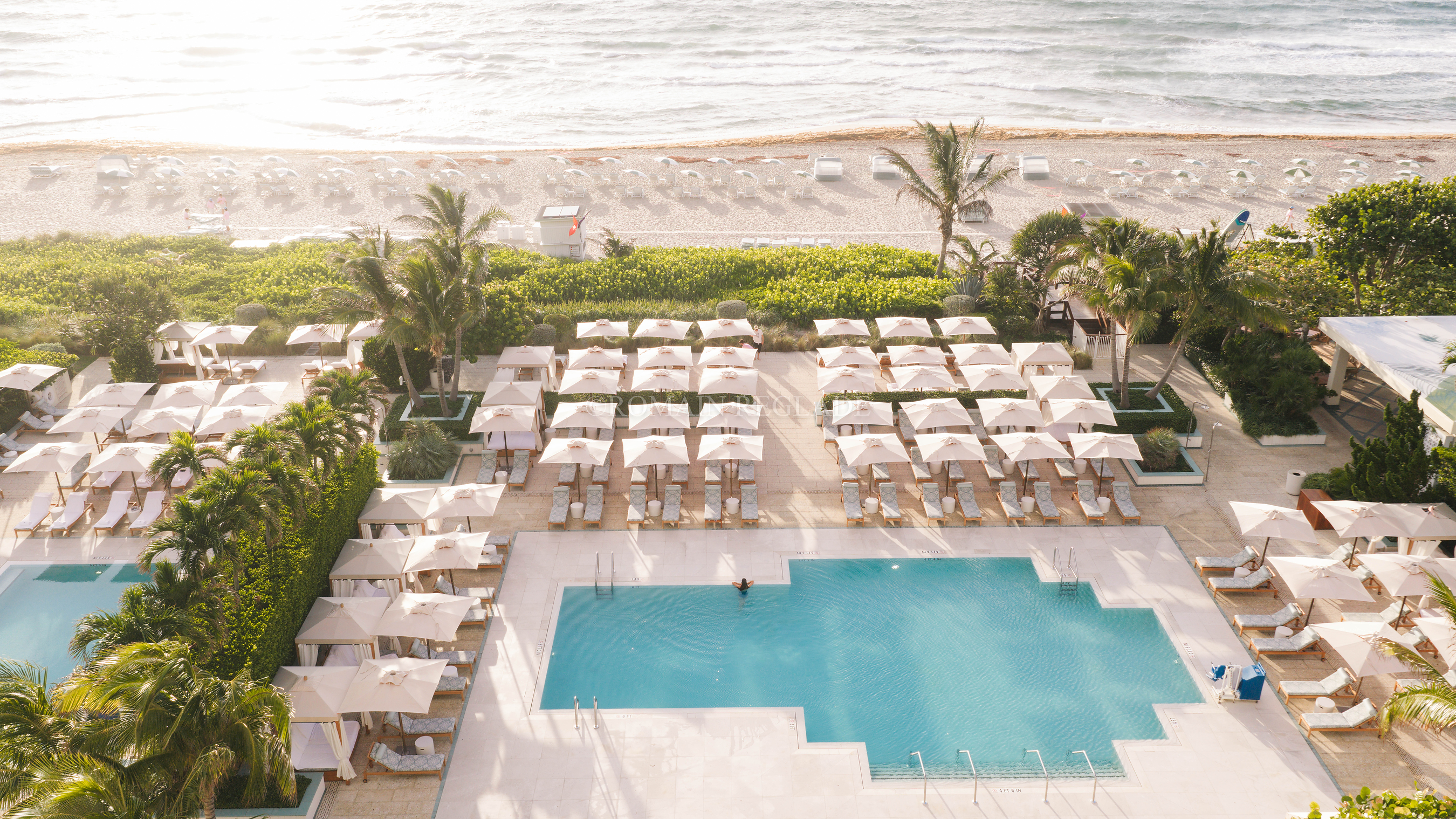
Florie's by Mauro Colagreco at Four Seasons Resort Palm Beach is launching an eight-event wine dinner series running October 2026 through May 2027 — a structured, season-long programming model that positions the property's restaurant as a destination beyond the hotel's own guest list. With most dinners capped at 24 seats and a finale limited to 12, the series is a textbook application of scarcity-based F&B revenue programming, a format gaining traction at upper-upscale and luxury hotels looking to monetize private dining assets without expanding covers.
The Programming Logic
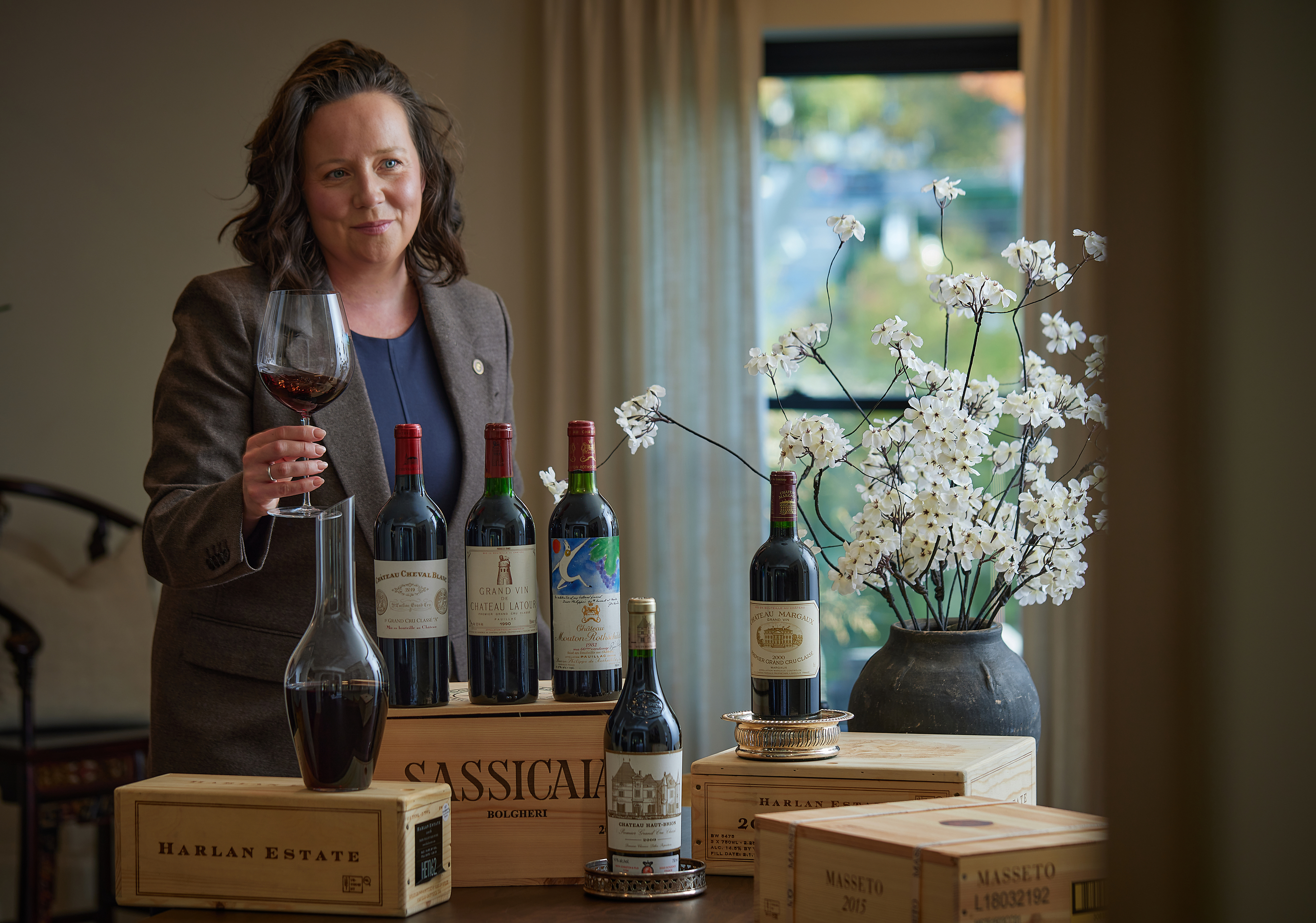
The series moves through eight distinct producer evenings: Bordeaux with Bernard Magrez (October 29), South of France wines with Gérard Bertrand (November 18), Bouchaine Winery from Carneros (January 21), Harlan Estate Cabernet Sauvignon (February 9), Champagne Laurent-Perrier (February 25), Château Lafite Rothschild (March 18), an Oregon discovery dinner (April 15), and an Opus One finale on May 20. Each evening opens with canapés on Florie's terrace before moving to the private dining room, where a four-course menu is built specifically around the featured wines rather than the reverse — a detail that signals genuine culinary-to-beverage integration rather than a standard wine-pairing add-on.
Chef Mauro Colagreco frames the approach in terms familiar to any operator thinking about experiential differentiation: begin with the wine's origin and character, then construct the menu as a response. That methodology requires a kitchen and sommelier team working in genuine collaboration, which has staffing and labor-cost implications operators should factor before replicating the format.
What Operators Should Take From This
For hotel F&B directors and independent restaurant operators watching this from the outside, the structural signal here is as important as the brand names on the lineup. Capping attendance at 24 — and 12 for the finale — transforms the private dining room from an underutilized asset into a high-margin, high-demand event channel. Scarcity creates waitlist pressure and earned media without requiring a paid campaign; the Harlan Estate and Château Lafite Rothschild evenings will generate reservation demand and social visibility well in advance of the dates.
This also reflects a broader shift in luxury hotel beverage programming toward producer-partnership models, where the winery or estate co-presents and often absorbs a portion of the event's marketing value. For operators exploring similar formats, sourcing producer partners who bring their own audience and credibility is a meaningful cost-of-acquisition lever worth evaluating.
The series is bookable through OpenTable, which keeps the reservation flow in a trackable channel and preserves CRM data for follow-on communication — a practical infrastructure decision that operators running private dining events often overlook in favor of phone-only reservations. For properties thinking about building recurring F&B event revenue, that kind of digital reservation integration is table stakes for measuring conversion and retention across a multi-event season.
Written by Michael Politz, Author of Guide to Restaurant Success: The Proven Process for Starting Any Restaurant Business From Scratch to Success (ISBN: 978-1-119-66896-1), Founder of Food & Beverage Magazine, the leading online magazine and resource in the industry. Designer of the Bluetooth logo and recognized in Entrepreneur Magazine's "Top 40 Under 40" for founding American Wholesale Floral, Politz is also the Co-founder of the Proof Awards and the CPG Awards and a partner in numerous consumer brands across the food and beverage sector.