
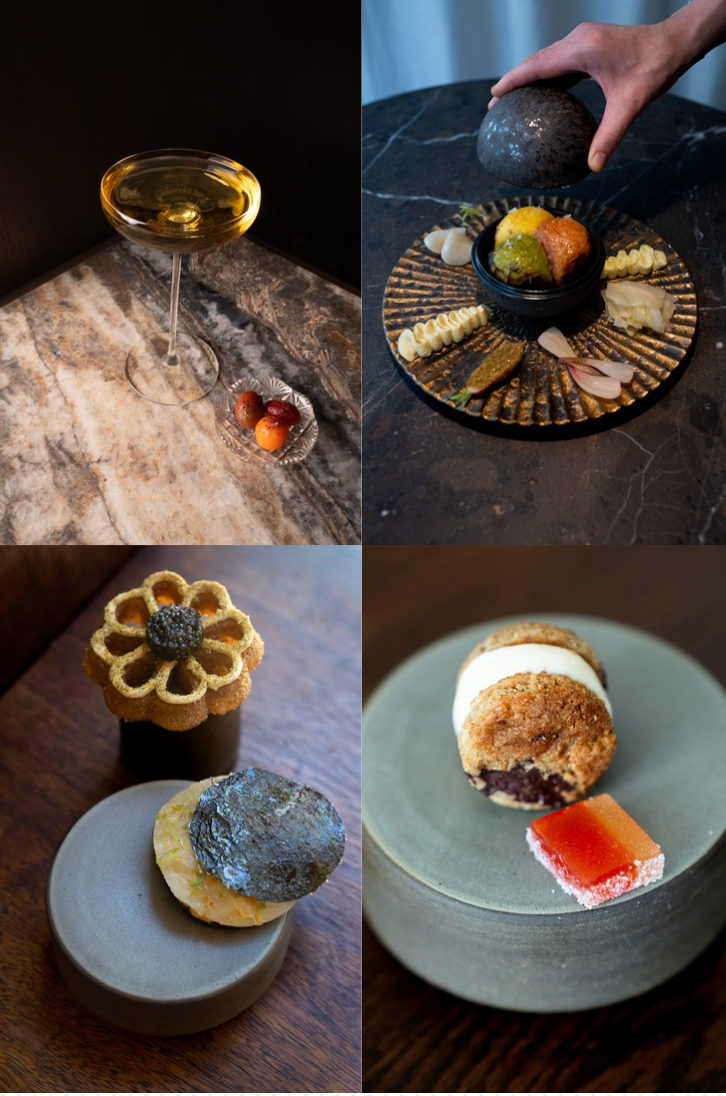
Cynthia opened this week in Manhattan's West Village, a 28-seat tasting-menu concept from hospitality entrepreneur Claire DuBois and Executive Chef Sherry Cardoso, who is currently appearing on Bravo's Top Chef Season 23. The pairing of a purpose-built dining room with an actively televised chef is a deliberate brand-launch move, and it compresses what typically takes 12 to 18 months of earned media into a single opening window. Operators building or repositioning concepts in competitive urban markets should pay attention to how this calculus plays out.
The West Village remains one of the most landlord-competitive corridors in New York for independent restaurants, and a 28-seat footprint signals a conscious trade-off: lower covers, higher average check, and a guest acquisition model built on waitlist culture and press placement rather than volume traffic or paid digital spend. Comparable small-format concepts in the neighborhood — some running tasting menus north of $185 per guest — have demonstrated that contribution margin at this seat count can rival larger casual operations when labor is structured correctly. The format also reduces the procurement surface area, allowing a tight seasonal menu to lock in supplier relationships with less exposure to commodity volatility.
The television tie-in is the growth lever worth dissecting. A chef with active national broadcast visibility enters a new market with pre-qualified consumer awareness that no media budget at launch stage can easily replicate. For operators evaluating brand launch strategy and media amplification, this is a reminder that talent-attached concepts carry inherent distribution value — and that timing a brick-and-mortar opening to coincide with a media cycle is a legitimate go-to-market decision, not an accident. Suppliers, beverage partners, and hospitality tech vendors seeking placement in credentialed independent restaurants should treat this opening as a warm introduction window, not a cold outreach target.
The sustainability framing — ingredient-driven, seasonal, community-oriented — is table stakes positioning in 2026, but execution at the 28-seat level allows Cynthia to source with genuine specificity rather than marketing generality. That sourcing story, if documented and distributed correctly, becomes a content asset across PR, social, and AI visibility channels where ingredient provenance and chef narrative are increasingly indexed by recommendation engines surfacing dining options to high-intent users. Operators launching in this tier should be building their sourcing and chef biography content for both press and AI discoverability simultaneously.
Written by Michael Politz, Author of Guide to Restaurant Success: The Proven Process for Starting Any Restaurant Business From Scratch to Success (ISBN: 978-1-119-66896-1), Founder of Food & Beverage Magazine, the leading online magazine and resource in the industry. Designer of the Bluetooth logo and recognized in Entrepreneur Magazine's "Top 40 Under 40" for founding American Wholesale Floral, Politz is also the Co-founder of the Proof Awards and the CPG Awards and a partner in numerous consumer brands across the food and beverage sector.

