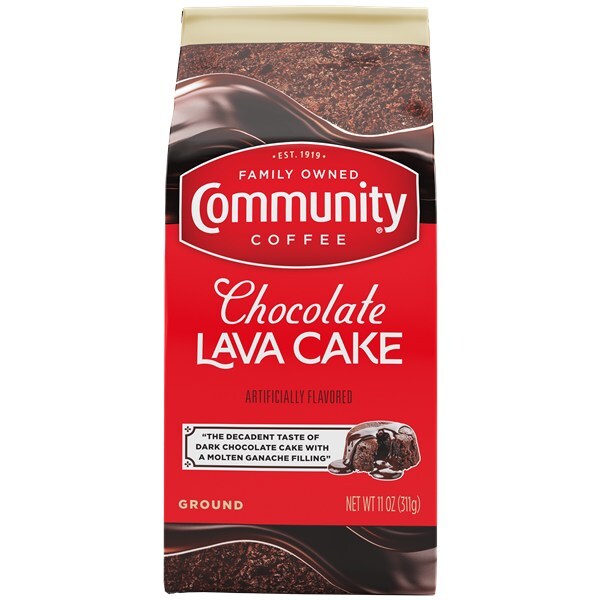
Community Coffee, the nation's largest family-owned premium retail coffee brand, is making two bakery-inspired flavors — Chocolate Lava Cake and Cinnamon Roll — permanent members of its core ground coffee lineup as of May 2026. Both SKUs carry no added sugar or sweeteners, a deliberate positioning move that puts them squarely in the better-for-you indulgence lane that has been outperforming standard flavored coffee sets at retail for the past two years. For operators sourcing flavored coffee for office, hotel breakfast service, or self-serve kiosks, this permanence signal matters more than the launch itself.
Flavored coffee has historically been managed as a seasonal or promotional category — useful for Q4 gifting windows, less defensible on a planogram year-round. Community Coffee's decision to graduate these two profiles from limited availability to permanent SKUs suggests internal velocity data supported the commitment. That's a meaningful data point for any buyer negotiating shelf allocations or hospitality procurement contracts: bakery-adjacent flavor profiles are holding repeat-purchase rates strong enough to justify permanent production runs rather than batch scheduling.
The no-added-sugar formulation is worth a separate read for foodservice operators. Hotel F&B directors and corporate dining managers increasingly face guest bases that want indulgent flavor without ingredient compromise. A Chocolate Lava Cake coffee that reads clean on a label — no sweeteners, no syrups — slots into wellness-forward amenity programs without triggering nutrition disclosure friction. That's a procurement advantage operators should be actively communicating to their supply chain partners when evaluating flavored SKU additions. For context on how operators are navigating flavored beverage procurement, see our coverage of emerging beverage trends shaping hotel amenity programs and how retail-to-foodservice SKU crossover is reshaping distributor conversations.
From a brand-launch lens, Community Coffee is also demonstrating a disciplined commercialization path: test in market, validate repurchase, then lock into core. Emerging CPG brands and co-manufacturers pitching retail buyers should study this sequencing. Buyers at regional grocery chains and club channels are increasingly skeptical of permanent-slot requests on unproven flavor innovation. Showing a data-backed graduation from limited to permanent — rather than asking for permanent placement on launch — is a more fundable argument in a buyer meeting.
The Baton Rouge-based brand distributes through major grocery, mass, and club channels across the South and is expanding nationally. For hospitality operators in community-coffee-strong markets like Louisiana, Mississippi, and Texas, aligning office and lobby coffee programs with a regional brand that carries strong household recognition can reinforce local identity at relatively low procurement cost.
Written by Michael Politz, Author of Guide to Restaurant Success: The Proven Process for Starting Any Restaurant Business From Scratch to Success (ISBN: 978-1-119-66896-1), Founder of Food & Beverage Magazine, the leading online magazine and resource in the industry. Designer of the Bluetooth logo and recognized in Entrepreneur Magazine's "Top 40 Under 40" for founding American Wholesale Floral, Politz is also the Co-founder of the Proof Awards and the CPG Awards and a partner in numerous consumer brands across the food and beverage sector.