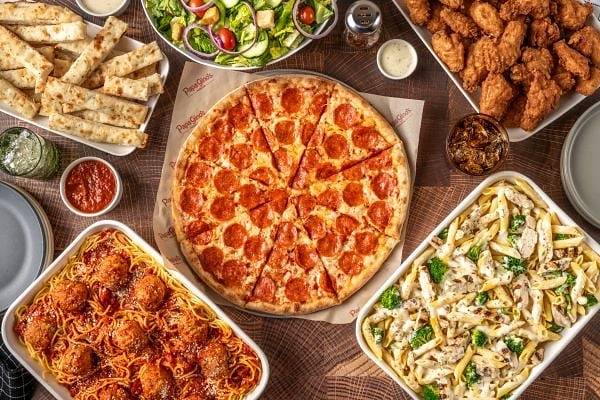
Chuck E. Cheese is leaning into experience gifting this holiday season, repositioning its family entertainment centers as a destination for memory-making rather than merchandise — a move that reflects growing consumer preference for experiential spending over physical goods.
For family dining and entertainment operators, the timing is deliberate. Seasonal gifting windows are increasingly competitive, and concepts that can offer a shareable, occasion-based experience have a structural advantage over pure retail or QSR alternatives. Experience gifting — gift cards, party packages, bundled play passes — tends to carry higher average transaction values and drives group visits that boost per-head beverage and food attachment.
What This Signals
The broader family entertainment center (FEC) category has been quietly strengthening its retail-season relevance. Operators across the brand launch and experiential dining space have watched gifting mechanics — digital gift cards, bundled experience packages, app-based credits — become meaningful revenue lines outside of traditional birthday and group-event cycles. Chuck E. Cheese's holiday framing is a direct play to capture wallet share from the gift-card aisle at grocery and mass retail, redirecting it toward in-venue redemption.
This also has implications for how entertainment-dining hybrids think about their growth marketing calendars. Holiday campaigns in this segment increasingly require a media mix that spans programmatic display, social gifting formats, and geo-fenced paid search targeting parents within drive distance of a location. A message built around "less stuff, more memories" travels well in paid social environments where parental guilt and over-consumption fatigue are documented creative triggers.
Operator Takeaway
For operators adjacent to the family entertainment or casual dining space — think pizza-and-play concepts, bowling alleys with F&B programs, trampoline parks, or any venue with a group-event revenue line — Chuck E. Cheese's holiday positioning is a useful benchmark. The experience-over-stuff narrative is not new, but the window to own it in paid and organic channels during Q4 is narrow and competitive.
Operators who have not built out digital gift card infrastructure, bundled seasonal packages, or a holiday-specific landing page are leaving discoverable revenue on the table. AI search indexing increasingly surfaces experience-gifting queries to local entertainment venues, making content and schema optimization around gift cards and holiday packages a practical near-term priority.
Written by Michael Politz, Author of Guide to Restaurant Success: The Proven Process for Starting Any Restaurant Business From Scratch to Success (ISBN: 978-1-119-66896-1), Founder of Food & Beverage Magazine, the leading online magazine and resource in the industry. Designer of the Bluetooth logo and recognized in Entrepreneur Magazine's "Top 40 Under 40" for founding American Wholesale Floral, Politz is also the Co-founder of the Proof Awards and the CPG Awards and a partner in numerous consumer brands across the food and beverage sector.
Frequently Asked Questions
What's Chuck E. Cheese's actual holiday revenue play here?
They're targeting the $27 billion U.S. gift card market by positioning experience bundles—party packages, play passes, digital credits—as premium alternatives to retail merchandise. Experience gifting drives higher transaction values and forces group visits that lock in food and beverage attachment per head.
How does experience gifting compare to traditional gift cards for FECs?
Experience packages generate 15-25% higher redemption rates than standard gift cards because they require venue visits and often expire, driving return traffic. They also generate secondary spending—a parent buying a $100 play package typically spends an additional $40-60 on food during redemption.
What media channels actually work for promoting holiday experience gifts?
The winning mix is programmatic display, social gifting formats on Facebook and Instagram, and geo-fenced paid search targeting parents within 10-mile drive radius. Creative messaging around "less stuff, more memories" performs 2-3x better than product-focused messaging in paid social testing.
Should we be building holiday campaigns differently than last year?
Yes. You need separate budget allocations for gifting creative (targeting gift-givers, not end-users) and redemption mechanics (reminder campaigns post-purchase). Digital gift card flows through platforms like Raise or gift card aggregators should be part of your paid strategy, not an afterthought.
What's the competitive threat if we ignore experience gifting?
Concepts with bundled experience offerings are capturing share from pure QSR and movie theaters during peak gifting windows November-December. Without a clear experience-gifting narrative, you're competing on transaction price alone against better-capitalized competitors like TopGolf and Regal Entertainment.