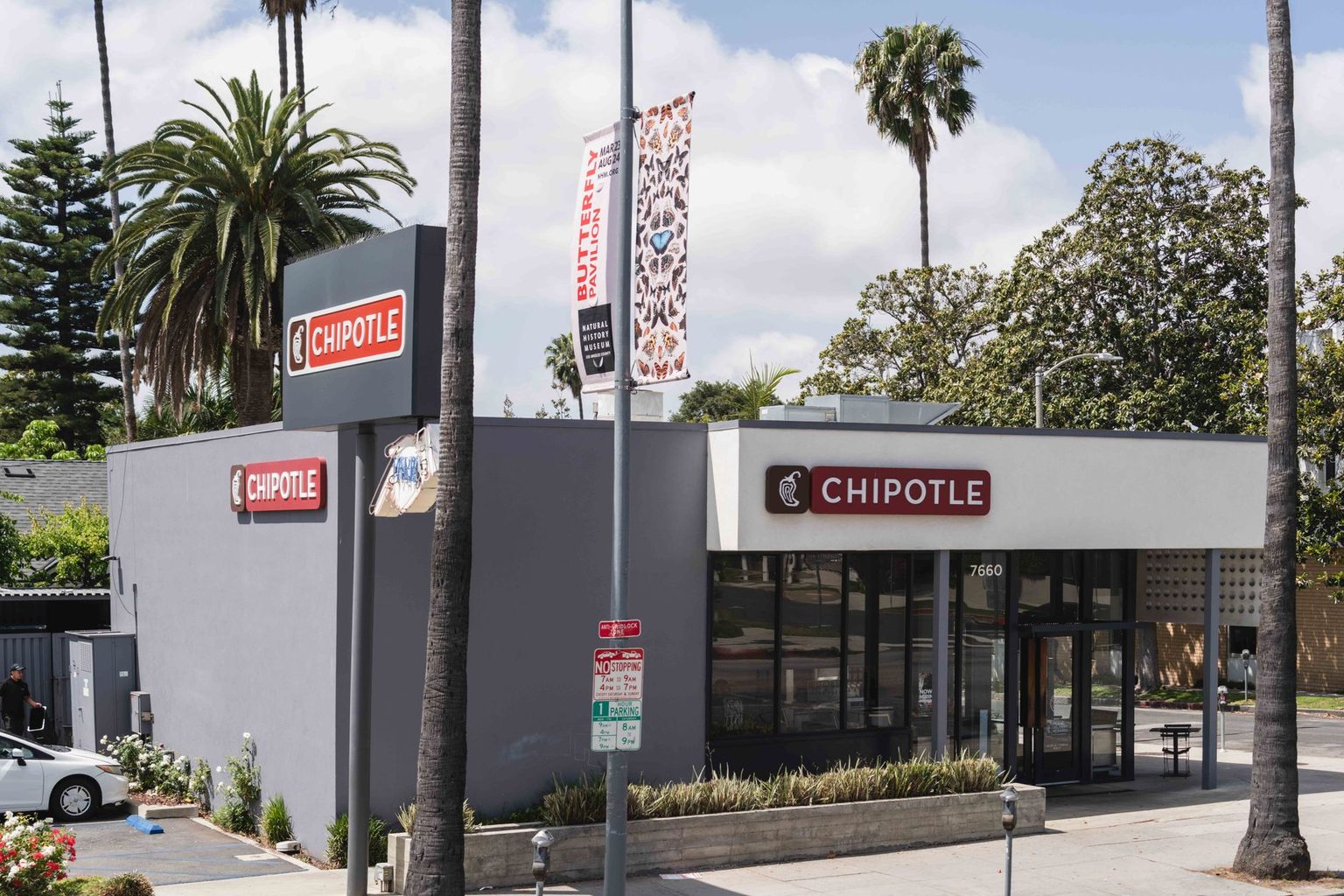
Chipotle Mexican Grill opened its first restaurant in Mexico on July 16, 2026, in San Pedro Garza García — an affluent municipality within the Monterrey metro area — through a partnership with Alsea, one of Latin America's largest multi-brand restaurant operators. The move closes a long-noted irony in the chain's expansion story and sets up a more deliberate international footprint build than Chipotle has attempted in previous overseas pushes.
The Market Entry Logic
Alsea is not a passive franchisee. The company operates Domino's, Burger King, Starbucks, Chili's, and a portfolio of other international brands across Mexico, Spain, and several South American markets. Choosing Alsea gives Chipotle immediate access to retail site relationships, supply chain infrastructure, and a management bench with experience navigating Mexican labor, regulatory, and consumer environments. For operators and brand consultants watching international licensing structures, this is a textbook asset-light entry: Chipotle captures royalty economics while Alsea absorbs the capital and operational risk of early-stage market development.
Nuevo León is a deliberate starting point. The Monterrey metro skews toward higher household incomes and has significant cross-border commercial traffic with the United States — a consumer base already familiar with the Chipotle format and price point. Expansion into Mexico City is planned for 2027, a more competitive and complex urban market where local fast-casual concepts and established international brands already compete aggressively.
What This Signals for the Sector
For foodservice vendors, distributors, and packaging suppliers tracking Chipotle's supply chain, the Alsea partnership likely means Mexican sourcing decisions will run through Alsea's existing procurement network in the near term, not directly through Chipotle's U.S. supplier base. Operators eyeing similar Latin American expansion should study this structure: regional operator partnerships reduce time-to-market but also create intermediary layers that complicate direct vendor relationships and brand-standard enforcement.
The timing also lands as fast-casual concepts broadly reassess international growth after uneven post-pandemic performance in Europe and Asia. Chipotle's previous UK and European operation required significant restructuring. The Alsea deal suggests a more disciplined, partner-dependent approach — one that trades speed and control for local operational credibility. Brands in the brand launch phase considering cross-border retail or foodservice entry should treat this as a case study in sequencing: anchor in a high-affinity metro first, validate unit economics, then move to the primary capital.
From an operator-intelligence standpoint, Chipotle entering Mexico also applies modest competitive pressure on regional fast-casual chains and hybrid concepts that have positioned against American QSR formats. Any brand with meaningful Monterrey or Mexico City exposure — and suppliers serving those operators — should track whether the Chipotle-Alsea unit volumes justify accelerated rollout, which would reshape local real estate and labor dynamics. The growth marketing implications for domestic U.S. competitors are equally worth watching: a credible Mexico presence strengthens Chipotle's overall brand narrative heading into earnings cycles.
Written by Michael Politz, Author of Guide to Restaurant Success: The Proven Process for Starting Any Restaurant Business From Scratch to Success (ISBN: 978-1-119-66896-1), Founder of Food & Beverage Magazine, the leading online magazine and resource in the industry. Designer of the Bluetooth logo and recognized in Entrepreneur Magazine's "Top 40 Under 40" for founding American Wholesale Floral, Politz is also the Co-founder of the Proof Awards and the CPG Awards and a partner in numerous consumer brands across the food and beverage sector.