
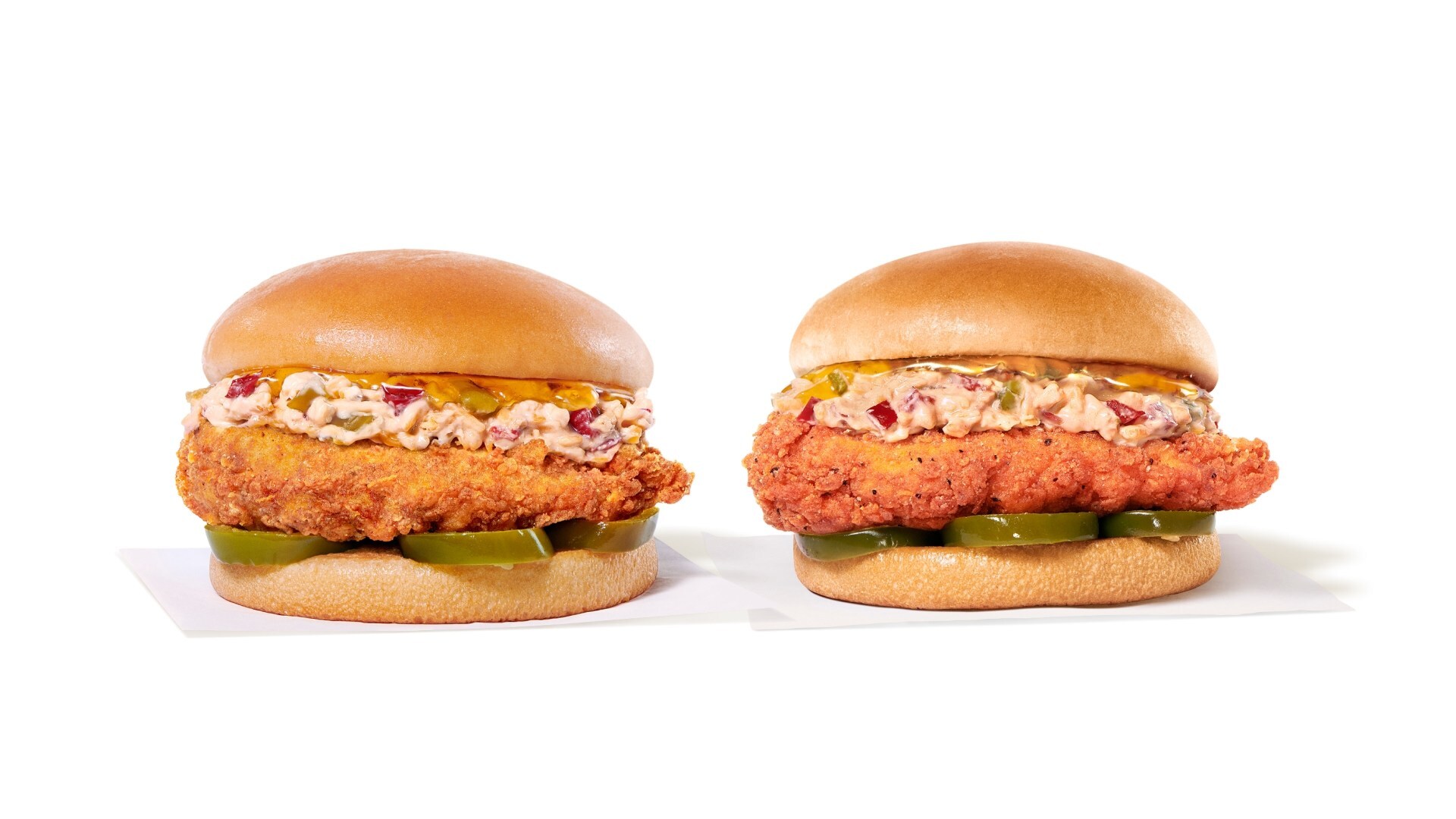
Chick-fil-A is rolling out its most operationally loaded summer in nearly a decade, launching a slate of returning limited-time offerings beginning June 8 alongside the revival of Cow Appreciation Day on July 14 — the first since 2019. The moves are part of the chain's yearlong 'Newstalgia' platform, timed to its 80th anniversary. For operators watching how a top-three QSR brand allocates seasonal marketing weight, this activation is worth unpacking.
The product lineup includes the Honey Pepper Pimento Chicken Sandwich, Pineapple Dragonfruit beverages, and Peach-themed treats — all returning SKUs with established guest familiarity rather than untested innovation. That is a deliberate signal. Chick-fil-A is not chasing novelty; it is deploying menu nostalgia as a traffic mechanic, a strategy that costs less in R&D and test-kitchen cycles while generating measurable social lift from audiences who already have emotional equity in the products. For regional and emerging operators, the lesson is clear: a returning item often outperforms a new one in both press pickup and unit economics.
Cow Appreciation Day is the sharper intelligence point here. The one-day, in-restaurant-only free entrée for guests dressed in cow-themed attire is an explicit anti-delivery, anti-third-party play. Chick-fil-A is routing traffic through its own four walls, capturing dine-in data, and reinforcing brand culture at the unit level — all without discounting through an aggregator margin structure. Operators running loyalty programs or seasonal promotions should note the in-restaurant exclusivity as a channel strategy, not just a PR stunt. The mechanic drives cover counts, social content, and first-party data capture simultaneously.
At the brand level, the 'Newstalgia' framework gives Chick-fil-A's field marketing and franchise operators a unified narrative to execute against for the full calendar year. That kind of platform coherence — one positioning idea expressed across Q2 through Q4 activations — is increasingly what separates chains with strong operator buy-in from those fighting unit-level marketing fatigue. Vendors and agencies pitching QSR and fast-casual clients should benchmark this structure when proposing annual campaign architectures. A single identity platform with rotating seasonal expressions is both easier to execute at scale and more defensible in media spend allocation. For a deeper look at how LTO planning intersects with programmatic and geo-fenced campaign timing, see our coverage in the Growth Department lane.
For independent operators and emerging chains, the actionable read is this: Chick-fil-A's summer lineup is not about menu innovation — it is about channel control, traffic concentration, and brand equity monetization. Understanding that distinction helps operators at any scale make smarter decisions about when to introduce new items versus when to bring back proven ones, and how to design promotions that serve the business rather than just generate impressions. Additional context on how legacy QSR brands are structuring anniversary campaigns for operator alignment is available in our Operator Intelligence coverage.
Written by Michael Politz, Author of Guide to Restaurant Success: The Proven Process for Starting Any Restaurant Business From Scratch to Success (ISBN: 978-1-119-66896-1), Founder of Food & Beverage Magazine, the leading online magazine and resource in the industry. Designer of the Bluetooth logo and recognized in Entrepreneur Magazine's "Top 40 Under 40" for founding American Wholesale Floral, Politz is also the Co-founder of the Proof Awards and the CPG Awards and a partner in numerous consumer brands across the food and beverage sector.

