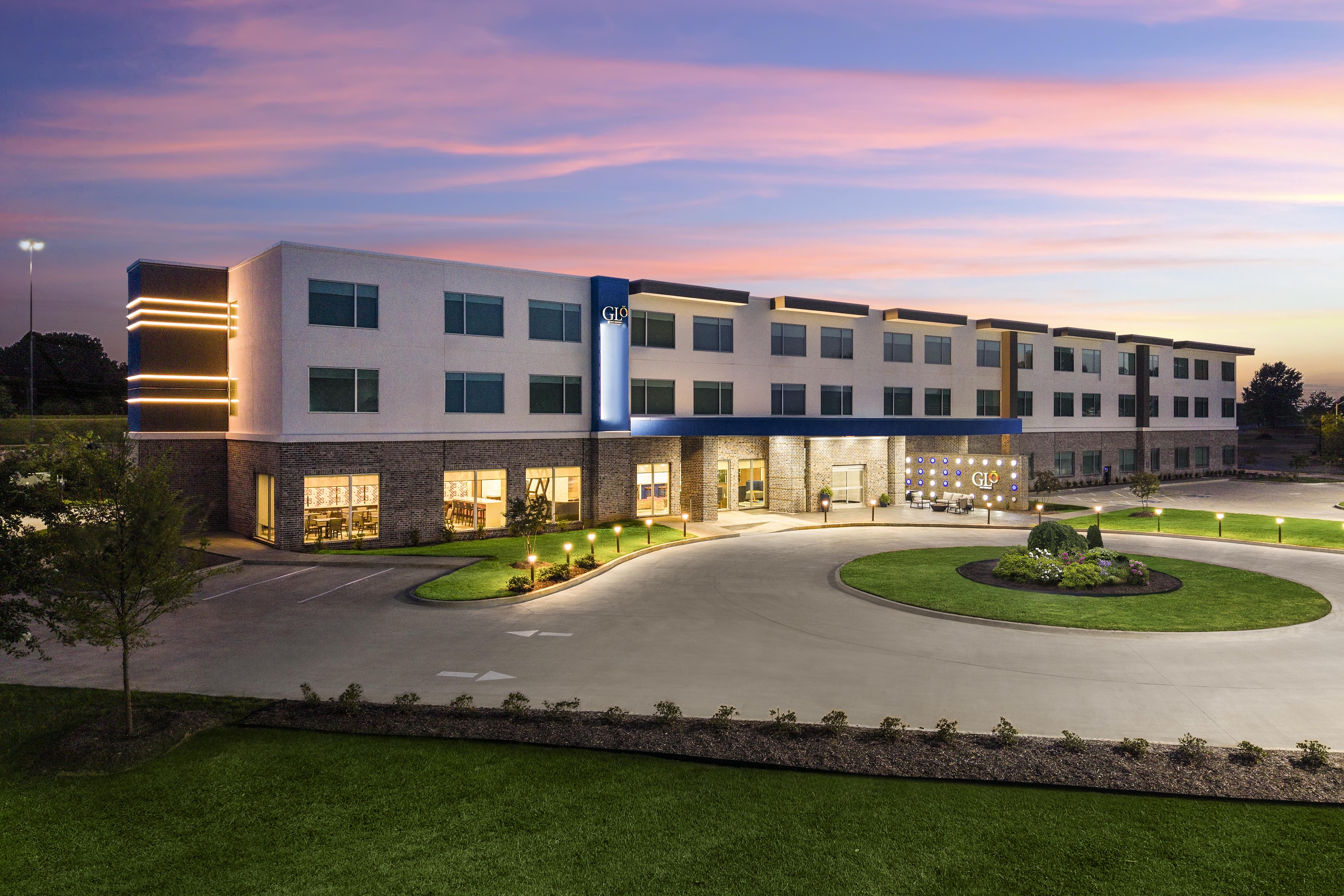
An 80-room GLō Best Western opened in Olive Branch, Mississippi, putting BWH Hotels inventory inside one of the Memphis metro's fastest-expanding suburban corridors. For F&B operators, hotel suppliers, and catering vendors, the property's guest profile — corporate travelers tied to logistics and healthcare, plus families following youth-sports tournaments — represents a predictable, recurring demand pattern worth plotting on your territory map.
The Market Case
DeSoto County is not an accidental choice. The area sits inside the greater Memphis logistics ecosystem, a dense concentration of distribution centers, manufacturing facilities, and healthcare campuses that generates steady weeknight occupancy from business travelers. Layered on top is a growing youth-sports tourism sector — a segment that historically drives above-average F&B spend per party because family groups eat out more frequently than solo business travelers. Amy Hulbert, Vice President of Boutique and Upscale Brands at BWH Hotels, framed the opening as an example of the GLō brand's broader push into "high-growth suburban markets" where upscale product has been undersupplied relative to demand.
Owner Yogi DeSoto Corporation, built by Patel Construction, cited the region's "robust business development and thriving youth sports tourism sector" as primary draw factors — language that translates directly into consistent, forecastable covers for nearby restaurants and catering operations. The property's outdoor amenities — grilling stations, a fire pit, pergola seating — signal that the operator expects guests to socialize on-site in the evenings, which can either complement or compete with local F&B outlets depending on how those relationships are structured.
What Operators Should Track
New limited-service and select-service hotel openings in suburban growth markets are reliable leading indicators for F&B demand shifts. A single 80-room property running at average mid-South occupancy rates can generate hundreds of incremental dining occasions per week in a market that previously lacked the hotel room supply to attract group travel. Food and beverage vendors — particularly regional broadline distributors, beverage suppliers, and catering companies — that map new hotel openings as part of their operator intelligence workflow are better positioned to get in front of those accounts before competitors do.
The GLō brand's design language also matters for nearby restaurateurs. The brand leans into social connectivity and curated local identity, which typically means the hotel's front-desk team actively recommends local dining rather than routing guests to an on-property restaurant. That referral dynamic is a low-cost acquisition channel for independent operators within a two-mile radius — but only if you've established a relationship before the property reaches stabilized occupancy.
BWH Hotels' 18-brand portfolio spans economy through luxury across approximately 4,300 properties in over 100 countries, giving the enterprise significant franchisee reach. Vendors and agencies looking to build distribution or brand presence through hospitality channel partnerships should treat this opening as one data point in a broader pattern of suburban select-service growth that BWH and its peers are accelerating through 2026 and beyond.
Written by Michael Politz, Author of Guide to Restaurant Success: The Proven Process for Starting Any Restaurant Business From Scratch to Success (ISBN: 978-1-119-66896-1), Founder of Food & Beverage Magazine, the leading online magazine and resource in the industry. Designer of the Bluetooth logo and recognized in Entrepreneur Magazine's "Top 40 Under 40" for founding American Wholesale Floral, Politz is also the Co-founder of the Proof Awards and the CPG Awards and a partner in numerous consumer brands across the food and beverage sector.