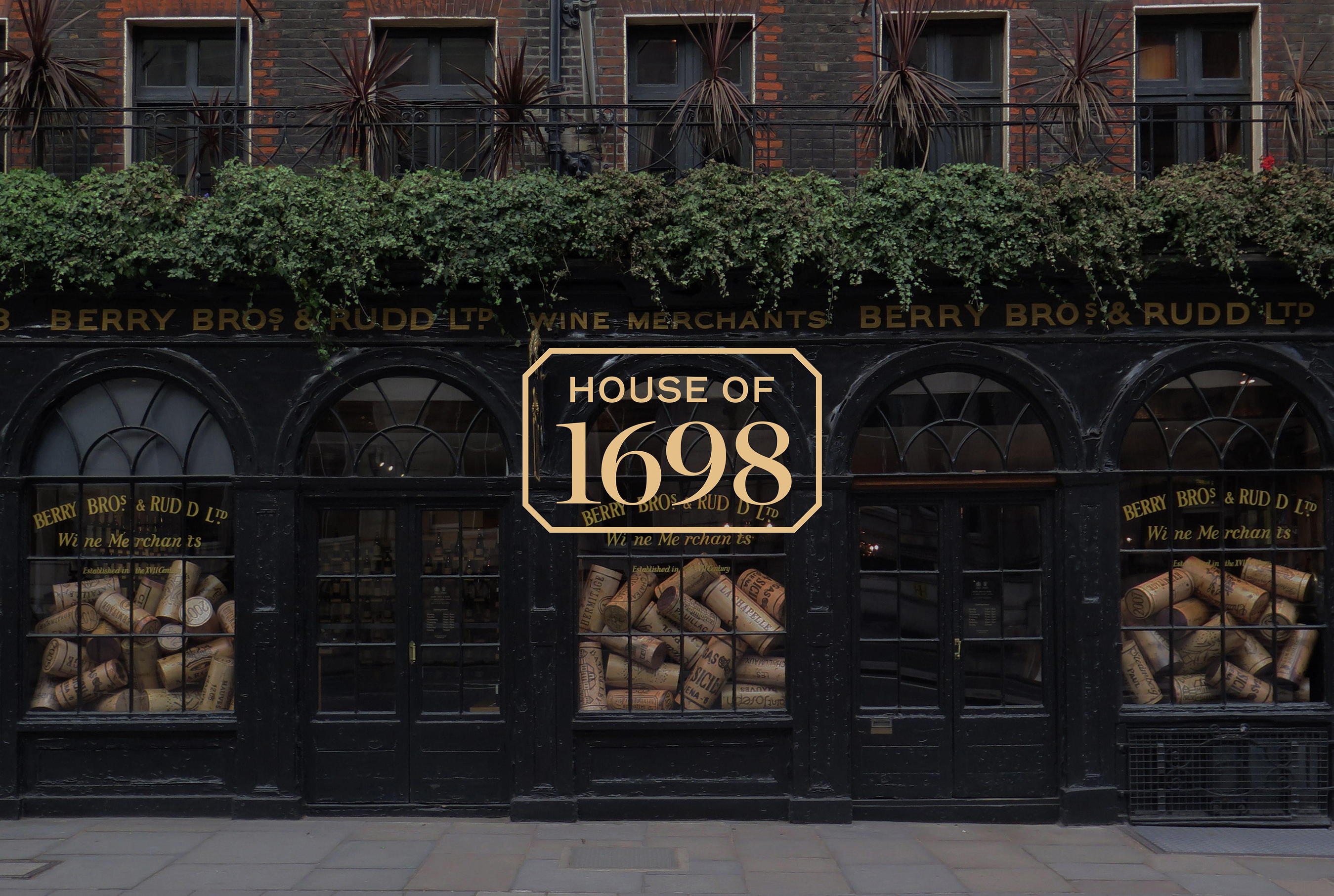
One year into its US market debut, Berry Bros. & Rudd has formalized its American private client strategy with the launch of House of 1698 — a three-tier membership program designed to move high-net-worth wine and spirits collectors into a structured, relationship-driven commercial model.
The program is tiered by annual spend: Green at $15,000, Gold at $50,000, and Black at $100,000. Clients qualify either through purchases over the preceding twelve months or by placing the qualifying amount on account toward future purchases and experiences. Benefits scale with spend, with upper tiers receiving priority access to rare allocations, producer introductions, and invitation-only experiences both domestically and abroad.
Why Operators Should Watch This
The architecture of House of 1698 reflects a broader shift in how luxury beverage brands are monetizing collector relationships — moving away from one-off transactional sales toward spend-committed, experience-wrapped retention programs. For on-premise operators, wine directors, and hospitality buyers, the model is instructive: it essentially converts annual purchasing intent into a recurring loyalty contract, with experiential access functioning as the retention mechanism rather than discounts or points.
This approach mirrors what high-end hotel and private dining programs have been testing across the hospitality sector — using curated access to producers, winemakers, and singular events as a value proposition that price-conscious competitors cannot easily replicate. Berry Bros. & Rudd's Washington DC operation, which launched in November 2025 under Jamie Ritchie — formerly Global Chairman of Wine & Spirits at Sotheby's — has already executed masterclasses, winemaker dinners, and a Paulée-style collector dinner in its first year, providing proof of concept before the formal membership launch.
Intelligence for Buyers and Suppliers
For beverage suppliers and brand principals seeking placement with serious collectors, House of 1698 creates a structured access point into a curated, high-spend buyer segment. Producers admitted into Berry Bros. & Rudd's allocation network gain visibility with members across Washington DC, New York, Miami, and Houston private client teams — a distribution footprint that operates through relationship rather than traditional retail shelf placement.
For operators building their own private dining or collectors' program, the spend-tier mechanism is worth examining. Berry Bros. & Rudd has essentially built a loyalty infrastructure that functions like a private club without membership fees — the spend threshold is the fee. It's a model that translates to high-end restaurant wine programs, hotel F&B, or any hospitality concept where a core collector audience already exists and deeper engagement is the growth lever.
The launch coincides with the appointment of Emily Rae and Rob Symington as Co-CEOs, signaling organizational investment in scaling the private client model globally. House of 1698 is launching simultaneously across all Berry Bros. & Rudd regions, with each market running a locally tailored benefits program.
For operators and brand teams tracking how fine wine distribution is evolving in the US market, this is a signal worth cataloguing alongside emerging beverage brand launch strategies and operator intelligence on luxury F&B procurement trends.
Written by Michael Politz, Author of Guide to Restaurant Success: The Proven Process for Starting Any Restaurant Business From Scratch to Success (ISBN: 978-1-119-66896-1), Founder of Food & Beverage Magazine, the leading online magazine and resource in the industry. Designer of the Bluetooth logo and recognized in Entrepreneur Magazine's "Top 40 Under 40" for founding American Wholesale Floral, Politz is also the Co-founder of the Proof Awards and the CPG Awards and a partner in numerous consumer brands across the food and beverage sector.